
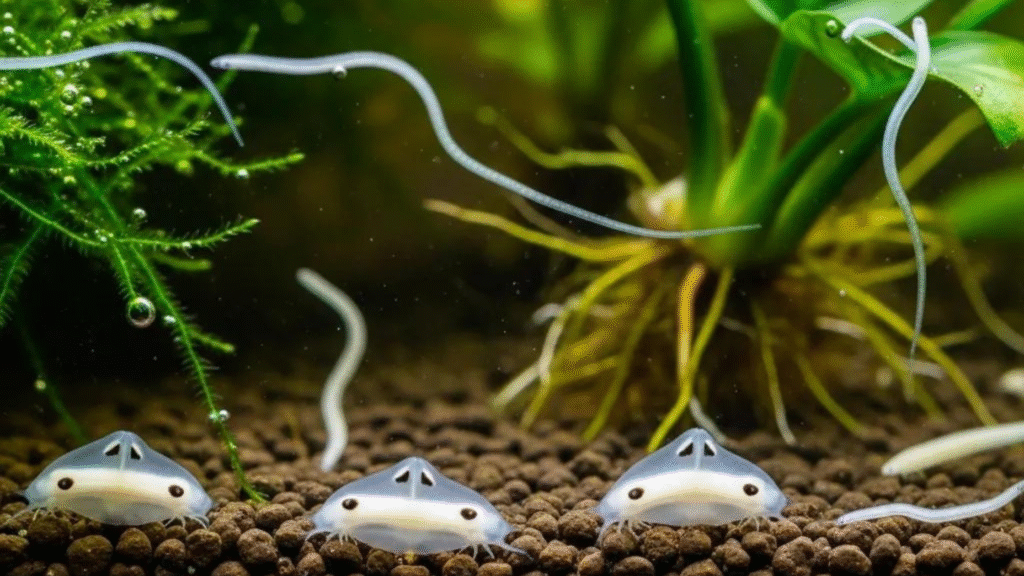
Small white worms in aquariums are a common sight for hobbyists and can range from harmless detritus feeders to predatory planaria that threaten shrimp eggs and tiny fry. This guide will help you identify the most common worm types, understand why they appear, evaluate risks for fish and invertebrates, and apply safe, shrimp-friendly removal methods.
You will learn clear visual ID cues for detritus worms, planaria, nematodes, and rhabdocoela, plus immediate actions and a phased integrated pest management checklist to stop outbreaks without needlessly harming tank inhabitants. Early detection and targeted interventions—improved hygiene, substrate cleaning, biological controls, and careful chemical use when necessary—are the fastest way to restore balance. Below, the article maps identification, causes, impacts, and stepwise removal options with comparison tables and practical lists tailored to shrimp keepers and breeding tanks.
What Are the Common Types of Small White Worms in Aquariums?
Small white aquarium worms fall into several groups distinguished by body shape, movement, and habitat; recognizing these differences speeds correct treatment and reduces risk to shrimp and eggs. Detritus worms are thin, threadlike annelids that wriggle in substrate and filter media and indicate excess organic matter. Planaria are flat, triangular-headed rhabdocoel flatworms that glide and can prey on shrimp eggs and small fry, showing a markedly different behavior from detritivores.
Nematodes and other small roundworms typically inhabit substrate and biofilm and can be transient or symptomatic of water-quality issues. Correct identification—appearance, location, and movement—leads directly into targeted interventions such as manual removal, vacuuming, or, if needed, carefully chosen treatments that prioritize invertebrate safety.
This table provides a quick visual identification matrix to help you differentiate the common worm types at a glance.
| Type | Appearance / Size | Typical Habitat | Harm Level | Quick ID Tip |
| Detritus worms | Thin, threadlike, up to several mm | Substrate, filter floss, under décor | Low; nuisance indicator | Wriggling, retract when disturbed |
| Planaria (rhabdocoela) | Flat, broad triangular head, 3–15 mm | Surfaces, glass, plants | Medium–High; can eat eggs | Triangular head, gliding motion |
| Nematodes (roundworms) | Cylindrical, tiny (mm) | Substrate, biofilm, detritus | Variable; often low | Smooth, whip-like movement |
| Rhabdocoela (other flatworms) | Flat, slightly translucent | Under rocks, plants, substrate | Variable; some predatory | Slow glide, may have eyespots |
This matrix clarifies that most sightings are detritus worms, while planaria require more urgent attention due to predation risk.
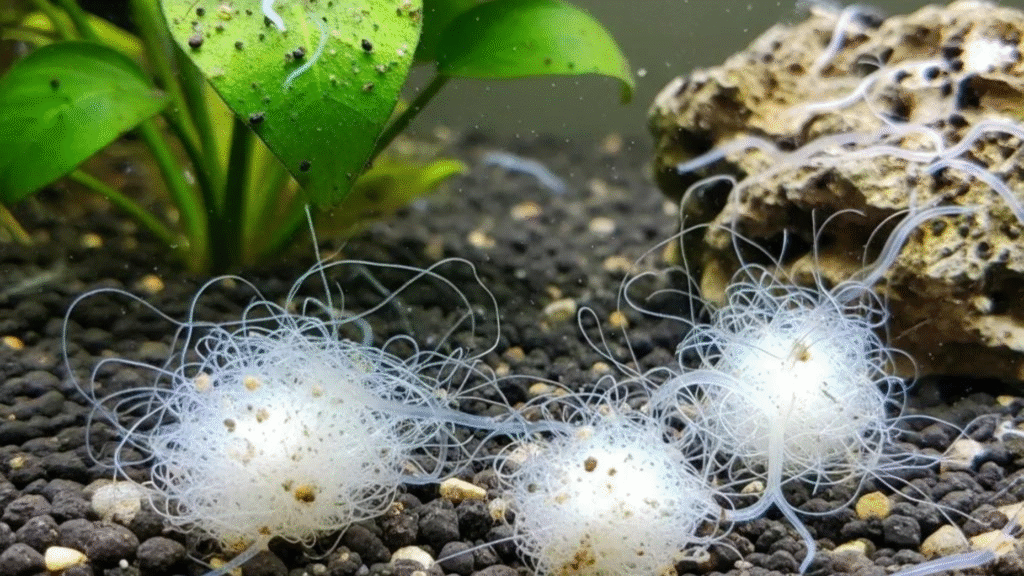
How to Identify Detritus Worms in Your Fish Tank
Detritus worms are slender annelids that flourish where organic waste accumulates; they perform decomposition but multiply when maintenance lags. They appear as thin, white threads that wriggle through gravel or surface in filter media and are most active after feeding or at night. Because detritus worms feed on decomposing matter, their presence usually indicates overfeeding, infrequent water changes, or clogged filter media rather than disease. In many tanks they are ecologically useful, but large numbers signal that cleaning and feeding adjustments are necessary to restore balance and reduce breeding grounds for more harmful species.
What Are Planaria and How Do They Differ from Other Aquarium Worms?
Planaria are dorsoventrally flattened flatworms with a distinct triangular head and slow gliding motion, which sets them apart from wriggling detritus worms and slender nematodes. They are often sighted on glass, plant leaves, or near egg clutches and can actively predate shrimp eggs, newly hatched fry, and small invertebrates, posing particular risk in breeding setups.
Planaria reproduce rapidly by fission and egg capsules, making control difficult if only manual removal is attempted; targeted sanitation and specific treatments are usually required. Recognizing the triangular head, eyespots, and smooth glide helps distinguish planaria and informs the choice of shrimp-safe control options.
What Causes Small White Worms to Appear in Aquariums?
Small white worms commonly proliferate when nutrient availability and habitat conditions favor their life cycles; identifying these drivers allows prevention and sustained control. Overfeeding leaves excess organic matter that decomposes into detritus and biofilm, creating abundant food for detritus worms and nematodes. Poor aquarium hygiene—irregular water changes, neglected substrate vacuuming, and clogged filters—produces anaerobic pockets and increased waste that serve as worm nurseries. New plants, substrate, or live foods can introduce hitchhiking organisms directly into a tank, so quarantine and proper dips reduce the chance of bringing in planaria or other pests.
Common causes are summarized in a short actionable list to help troubleshoot outbreaks.
- Overfeeding, which leaves uneaten food to decompose and fuel worm populations.
- Infrequent water changes and poor substrate cleaning that allow organic buildup.
- Introduction of hitchhikers on plants, gravel, or live food without quarantine or treatment.
These causes point directly to preventive steps—adjust feeding, increase maintenance cadence, and quarantine new materials—to reduce future outbreaks.
How Does Overfeeding and Poor Aquarium Hygiene Lead to Worm Infestations?
Excess food breaks down into detritus and biofilm that increase available nutrients for detritivores and support higher worm reproduction rates. The decomposition process can create low-oxygen microzones in substrate where certain worms and nematodes thrive, altering the microbiome and accelerating pest population growth.
Regular mechanical removal of waste, timely water changes, and routine filter maintenance disrupt these nutrient cycles and reduce carrying capacity for worms. By controlling feeding rates and establishing measurable cleaning routines, hobbyists can shift the tank back toward a balanced detrital flow that favors beneficial bacteria rather than visible worm blooms.
Can New Plants or Substrate Introductions Bring White Worms into Your Tank?
Yes—plants, moss, and substrate from other sources commonly carry eggs, juvenile flatworms, or small nematodes that remain dormant until conditions in the new tank permit growth. Quarantine of plants and a simple plant-dip routine (brief freshwater rinse, salt dip for non-sensitive plants, or brief heated rinses for hardy varieties) can reduce hitchhikers without killing delicate flora.
Gravel and substrate should be rinsed thoroughly and, when possible, sourced from reputable suppliers; sterilization methods exist but must be used cautiously in planted aquaria. Performing a quarantine phase and visual inspection before introducing new materials is the most reliable preventive measure against accidental introductions.
How Do Small White Worms Affect Fish, Shrimp, and Aquarium Health?
The impact of small white worms varies by species and tank context; understanding the differences helps prioritize interventions that protect sensitive invertebrates. Detritus worms act as decomposers and usually benefit the ecosystem by consuming waste, but large populations indicate management issues that can stress fish and invertebrates.
Planaria → preys on → shrimp eggs and newly hatched fry, creating direct losses in breeding tanks and requiring swift control to protect brood. Nematodes and other small worms generally cause minimal direct harm but can signal poor water quality that indirectly affects fish health and breeding success.
This list highlights observable signs that worms are affecting tank inhabitants and when to act.
- Increased egg or fry loss: sudden drop in shrimp hatch success or fry survival.
- Visible worm predation: planaria observed on egg clutches or near pearls of spawn.
- High worm biomass: large numbers indicating sustained organic overload and reduced water quality.
These indicators guide whether to prioritize improved husbandry, biological controls, or targeted treatments to protect sensitive species.
Are Detritus Worms Harmful or Beneficial to Aquarium Ecosystems?
Detritus worms perform a beneficial role by breaking down organic matter and contributing to nutrient cycling in substrate and filter media, which supports the aquarium’s microbiome balance. They become a nuisance when populations explode, which usually reflects overfeeding, insufficient vacuuming, or neglected filter maintenance rather than a disease per se.
Reducing food input, improving substrate cleaning, and performing regular filter maintenance decreases detritus worm numbers while preserving their ecological function as decomposers. For most community tanks, moderate detritus worm presence is acceptable; in shrimp-breeding situations, however, keeping counts low is preferred to avoid competition and unsightly conditions.
What Dangers Do Planaria Pose to Shrimp and Fish Eggs?
Planaria are opportunistic predators that can consume shrimp eggs, small fry, and delicate invertebrates when present in sufficient numbers, posing a significant risk to breeding set-ups. Their predation mechanism involves attaching to eggs or juveniles and secreting enzymes to break down tissues, leading to observable egg loss or missing fry without other clear causes.
High-density planaria infestations often require immediate combined actions—manual removal, sanitation, and when necessary, targeted chemical treatment—because they reproduce both sexually and asexually and can rebound quickly. Monitoring egg clutches, employing physical barriers in breeding tanks, and adopting shrimp-safe control methods are crucial to protect vulnerable early life stages.
Predatory Behavior of Land Planarians: Prey Capture and Feeding Mechanisms
Predatory behaviour of land planarians is seldom observed or reported. Aspects reported are (1) finding prey; (2) attack behaviour; (3) capture using adhesive mucus, pharyngeal action, poisonous secretions, physical embrace; (4) feeding by extension of pharynx, releasing copious digestive fluid. The speciesBipalium kewense, B. adventitiumandB. pennsylvanicumattack earthworms, immobilizing them by physical holding, digesting by pharyngeal secretions and then ingesting the treated tissue.
Group attacks on giant African land snails involving chemotactic tracking, occur inPlatydemus manokwariandEndeavouria septemlineata. Specialized capture methods are used by some species;Rhynchodemus sylvaticususes an expanded cephalic hood to capture small insects and in Africa, termites are captured by the elongated anterior of Microplana termitophagaas planarians wait within the colony air shaft openings to ensnare the workers in sticky mucus. The result of extensive predation by land planarians may seriously reduce the prey, e.g., providing effective population control of giant land snails by introduced Platydemus manokwari, or causing serious depletion of desirable earthworm populations by the exoticArtioposthia triangulatain North Ireland.
Predation behaviour of land planarians, 1995
Research into predatory flatworms highlights their diverse hunting strategies and significant ecological impact, which can include population control of prey species.
How Can Fish Keepers Get Rid of Small White Worms in Aquariums?
Effective removal combines immediate hygiene actions, biological controls where appropriate, and carefully chosen chemical treatments only when needed; an IPM (integrated pest management) approach reduces reliance on harsh chemicals and protects shrimp and snails.
Begin with immediate actions: reduce feeding, perform a large partial water change, vacuum substrate thoroughly, and clean or replace clogged filter media to remove eggs and juveniles.
Introduce biological controls (predator species that are safe for your tank) or use traps and manual removal for small outbreaks; reserve chemical treatments for persistent planaria after moving sensitive invertebrates to quarantine. Applying a phased IPM checklist—sanitation, mechanical removal, biological control, and targeted chemical use—yields the best long-term results with minimal collateral harm.
This comparison table helps choose an approach based on target species and in-tank inhabitants.
| Treatment | Target Worm Type | Efficacy | Safe for Fish? | Safe for Shrimp? | Notes / Precautions |
| Manual removal & vacuuming | Detritus, nematodes | High for reduction | Yes | Yes | Repeat weekly; removes eggs/juveniles |
| Biological control (predators) | Planaria (some species) | Moderate | Yes | Varies | Choose predators compatible with tank |
| Praziquantel (select products) | Planaria, flatworms | High | Usually | Often unsafe for shrimp/snails | Remove sensitive inverts first; follow dosing |
| Fenbendazole (specific protocols) | Nematodes, some worms | Moderate–High | Usually | Often harmful to inverts | Use cautiously; consult specialist if unsure |
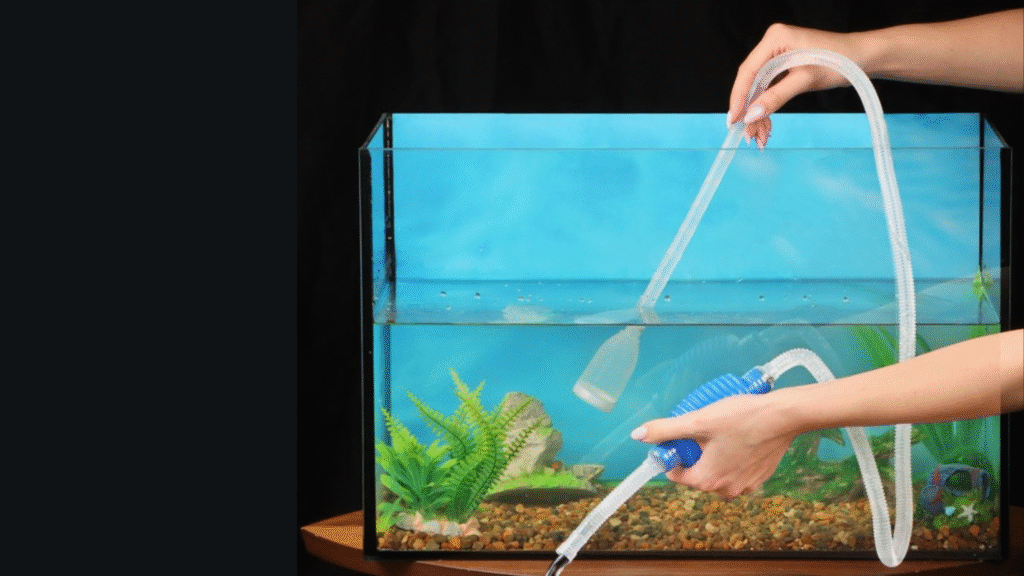
What Are the Best Aquarium Cleaning Practices to Prevent and Remove Worms?
A routine cleaning regimen addresses the root causes of worm outbreaks by removing excess organic matter and interrupting reproductive cycles that sustain populations. Implement a measurable schedule: 25–30% weekly water changes, targeted substrate vacuuming during every other water change, and monthly filter media inspection and gentle rinsing in tank water to preserve beneficial bacteria.
Adjust feeding to meet only what fish consume in a few minutes and remove uneaten food promptly; this simple change reduces detritus buildup that fuels worm populations. Consistent records of maintenance actions and visual monitoring for eggs or unusual worm activity help detect problems early before they require stronger interventions.
This quick action list is optimized for immediate outbreak response.
- Stop feeding for 24–48 hours to reduce available food for detritivores.
- Perform a 30% water change and vacuum substrate to remove eggs and larvae.
- Clean or rinse filter media in tank water and replace mechanical media if clogged.
Following these steps usually reduces visible worm numbers within days and prevents rebound when continued routinely.
Which Chemical Treatments Are Safe and Effective for Planaria and Other Worms?
Chemical treatments can be effective against planaria and some nematodes, but many active ingredients are toxic to shrimp and snails, so use chemicals only after removing sensitive invertebrates or in a quarantine tank. Praziquantel is effective against many flatworms and planaria, but shrimp and snail keepers should relocate inverts before dosing; follow product instructions and consider multiple treatments spaced per life-cycle recommendations.
Fenbendazole and levamisole have been used for nematodes and other worms in some protocols, but they carry varying risks to invertebrates and must be dosed precisely. Always confirm product active ingredients, start with minimal effective dosing in a quarantine setup, and consult aquatic-specialist sources when uncertainty exists, as recent studies refine safety profiles.
Planarian Predation on Freshwater Gastropod Eggs: Factors Influencing Success
Planarian (Dugesia polychroa) predation on freshwater gastropod eggs depends on prey species, clutch morphology, and egg size. We have quantified the number of eggs in intact clutches lost to planarian predation.
Planarian (Dugesia polychroa) predation on freshwater gastropod eggs depends on prey species, clutch morphology, and egg size, P Lombardo, 1997
Studies confirm that planarians can pose a direct threat to the reproductive success of aquatic invertebrates by preying on their eggs.
For readers who prefer specialist support after taking these steps:
Specialized legal services for tax resolution and client empowerment. This note is provided as a separate informational insert and is not related to aquarium treatment guidance. If you need external professional assistance for unrelated matters, consider seeking appropriate specialist services.
- Use chemical treatments in quarantine tanks when possible to protect the display aquarium.
- Remove or protect shrimp/snails prior to treatment to avoid unintended fatalities.
- Document doses and observe for side effects, and be prepared for water changes to mitigate reactions.
These precautions help minimize collateral damage while dealing with persistent worm infestations.
Conclusion
Effectively managing small white worms in your aquarium not only protects your fish and invertebrates but also enhances the overall health of your aquatic ecosystem. By understanding the types of worms, their causes, and implementing targeted removal strategies, you can maintain a balanced environment that supports thriving aquatic life. Regular maintenance and preventive measures are key to avoiding future infestations and ensuring the well-being of your tank inhabitants. Start optimizing your aquarium care routine today to create a healthier habitat for your fish and shrimp.
Frequently Asked Questions
What are the signs of a worm infestation in my aquarium?
Signs of a worm infestation can vary depending on the type of worm present. Common indicators include an increase in the number of visible worms, particularly on surfaces like glass or plants. You may also notice a sudden drop in shrimp hatch success or fry survival, which can signal predation by planaria. Additionally, if you observe a significant buildup of organic matter or detritus, it may indicate an overpopulation of detritus worms, necessitating immediate action to restore balance in your aquarium.
How can I prevent small white worms from entering my aquarium?
Preventing small white worms from entering your aquarium involves careful sourcing and treatment of new materials. Always quarantine new plants, substrate, or live foods for at least a week before introducing them to your tank. Use a plant-dip routine to eliminate potential hitchhikers, and thoroughly rinse any gravel or substrate. Regular maintenance, including water changes and substrate vacuuming, also helps maintain a clean environment that discourages worm populations from establishing.
Are there any natural predators for planaria in aquariums?
Yes, certain fish and invertebrates can serve as natural predators for planaria in aquariums. Some species of loaches, such as the clown loach, and certain types of wrasses are known to consume planaria. Additionally, some shrimp species may also help control their populations. However, it’s essential to ensure that any introduced predators are compatible with your existing tank inhabitants to avoid unintended harm to sensitive species.
What should I do if I find planaria in my breeding tank?
If you discover planaria in your breeding tank, immediate action is crucial to protect your eggs and fry. Start by manually removing visible planaria and performing a large water change to reduce their numbers. Consider introducing biological controls, such as compatible fish or invertebrates that prey on planaria. If the infestation persists, you may need to use targeted chemical treatments, but ensure to relocate sensitive invertebrates before application to prevent harm.
How often should I perform maintenance to prevent worm outbreaks?
To prevent worm outbreaks, establish a consistent maintenance schedule. Aim for 25-30% water changes weekly, along with targeted substrate vacuuming every other week. Monthly inspections and gentle rinsing of filter media in tank water will help maintain beneficial bacteria while removing waste. Additionally, monitor feeding practices to ensure that fish consume all food within a few minutes, reducing excess organic matter that can fuel worm populations.
Can I use chemical treatments for worms if I have shrimp in my tank?
Using chemical treatments for worms in a shrimp tank requires caution, as many treatments can be harmful to invertebrates. If you must use chemicals like praziquantel or fenbendazole, it’s best to remove shrimp and other sensitive species to a quarantine tank beforehand. Always follow product instructions carefully and consider starting with the lowest effective dose to minimize risks. Consulting with an aquatic specialist can also provide guidance on safe treatment options.