All dog owners are fond of the shiny, soft, and silky coat. A healthy coat is appealing and also indicates that your dog is healthy on the inside. The question many people have is, how to make dog fur soft, or how to make dog hair soft. The solution is also very simple: good grooming, correct diet, and consistent care. This is a guide on simple tips for smooth silky dog fur. You will find the way to brush and bathe, foods that keep the coat healthy, safe home ideas, and when it is time to ask for professional help. The process is easy, and thus you can begin today.
The Science Behind A Healthy Coat
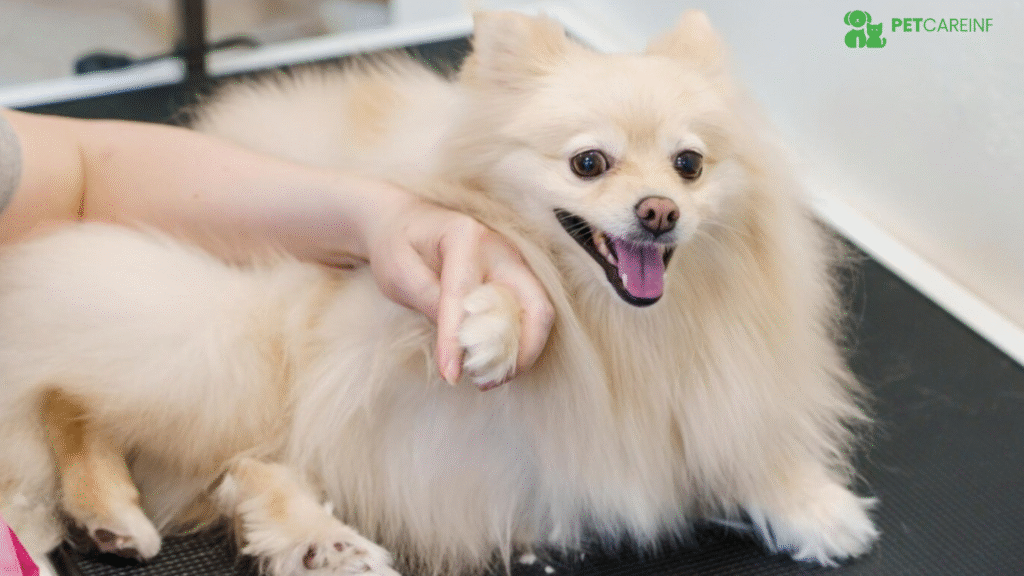
Protein is what makes up your dog hair, as do nails and skin. Without sufficient protein or essential nutrients in your dog’s diet, the coat will appear dull and coarse. It also depends on natural skin oils. These oils are applied to the hair and make it shiny and soft. Other breeds are smoother, like the shih tzu and Yorkshire terrier. Dogs that have two coats, like huskies or German shepherds, require more brushing to maintain a smooth coat. Dogs with short hair are also required to be brushed to distribute the oils evenly and make the hair shine. The dull coat may also be an indication of troubles. allergies, fleas, worms, thyroid problems, or poor food may be harmful to the skin and hair. It is not just about looks, but also about keeping your dog healthy.
Grooming Habits That Transform Dog Hair
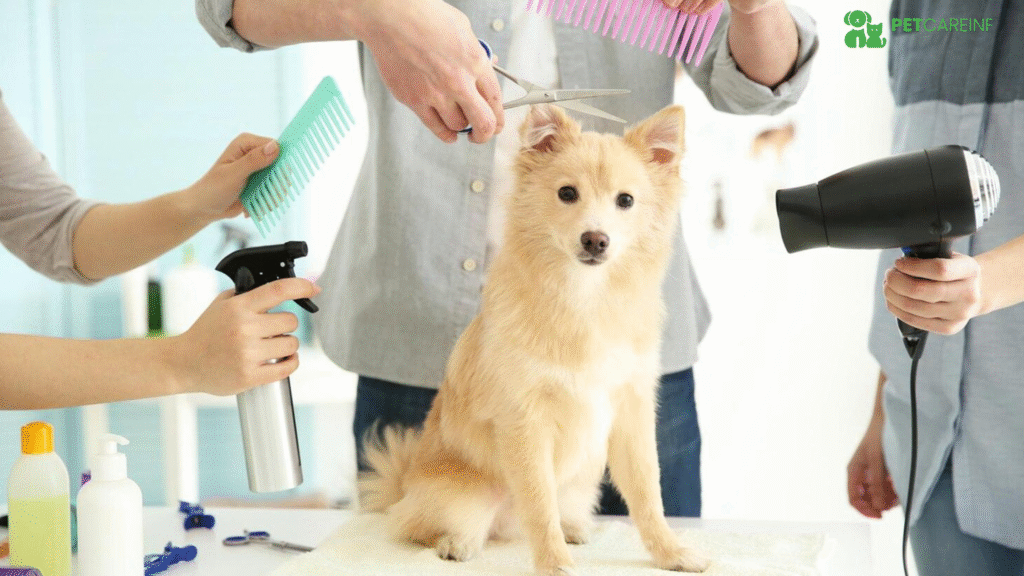
Grooming not only makes the hair of the dog appear cleaner, but it also helps support the skin and follicles, which give rise to a single strand of hair. Proper grooming can preserve the natural oils, decrease inflammation, and eliminate structural destruction in the dog hair when done properly.
Brushing
The best method of softening dog hair is through brushing since it has a direct impact on the skin health. Lightly and frequent brushing enhances blood flow to the dermis which enhances the supply of oxygen and nutrients to the hair follicles. This helps the hair to grow stronger and smooth as opposed to brittle or coarse hair.
Also during brushing, sebum, the natural oil that the skin secretes, is spread in the full length of the hair. Oils remain concentrated at the roots and the ends become desiccated and fray without being brushed and thus split. In the long-run, this disproportion is responsible of making the coats oily around the skin and dry on the surface.
In the case of long/fine coats, the problem of microscopic tangles increasing weakness of hair fibers and breakage is avoided by brushing. In the case of short haired dogs, the coat is raised by the use of rubber or bristle brushes to polish the hair and bring about more shine to the dog without causing any skin irritation.
Bathing
Bathing is a secondary factor in the softness of the coat, although frequency is a bigger issue than most owners understand. Over-bathing is what makes the protective oils run out of the skin more quickly than they can be replaced, leaving the hair dry and stiff despite conditioner being applied. The majority of healthy dogs enjoy bathing on a regular basis of three or six times. Veterinary recommendations may be needed to change the schedules of dogs with allergies or with skin-related medical conditions. A dog-specific shampoo maintains natural dog skin pH, and a good conditioner flattens the outer cuticle of the hair shaft. This decreases the moisture loss and friction, and this is why, after drying, conditioned coats become much softer.
Drying
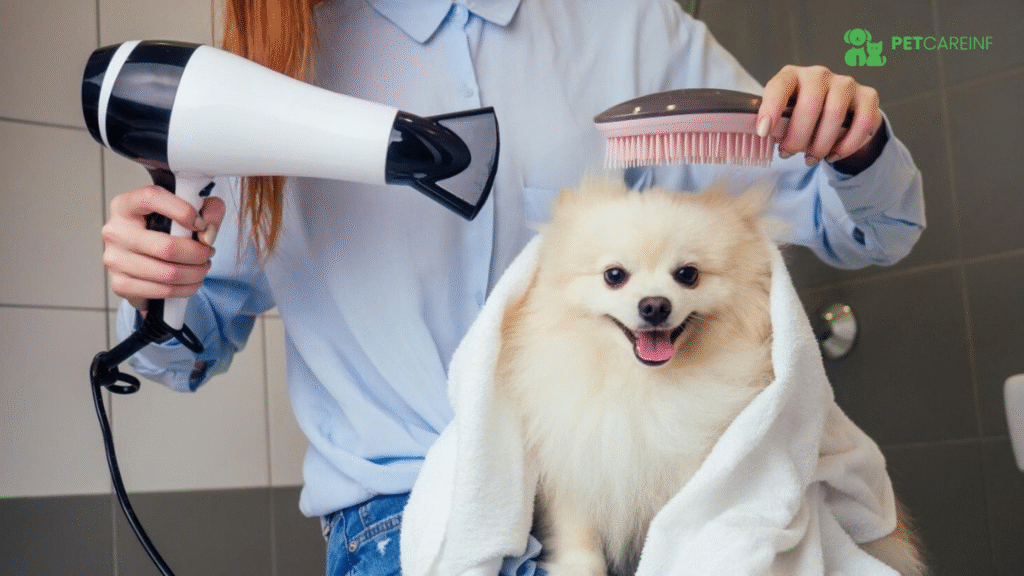
The hair texture is influenced by the drying technique directly. Rubbing hands on towels causes the cuticle of the hair to be raised which creates friction resulting to frizz and stiffness. Gentle blotting is used to reduce the amount of water without interfering with the hair structure. Low heat with slight brushing is useful when blow drying is required and this will arrange the hair fibers as it is drying. This resembles professional grooming methods and gives a smoother and shinier finish and also minimizes heat damage.
De-shedding
In double-coated breeds, loose undercoat locks in the heat and oils and can not lie flat on the topcoat. De-shedding tools can be used to eliminate this surplus hair and this enables natural oils to be distributed evenly and enhance the circulation of air to the skin. Frequent shedding undercoat extinguishes shedding and matting and ensures that the coat does not feel thick or rough. De-shedding makes the coat soft when done in moderation and without causing too much damage to the guard hairs.
Nutrition For Silky Fur
You can bathe your dog daily, however, the coat will never be as soft and shiny in case the diet is insufficient. The hair is constructed both internally and externally. Having a balanced nutrition, the skin will remain hydrated, the inflammation will remain minimal, and the new hair will grow cleaner and tougher. When you ask yourself how to make dog fur soft, the first thing will always be what you fill in the food bowl.
Protein
Dog hair is made primarily of keratin, a protein. If protein intake is too low or poorly absorbed, hair becomes brittle, thin, and rough to the touch. High-quality animal protein supplies essential amino acids that support continuous hair growth and repair. Diets that list real meat such as chicken, turkey, beef, or fish as the first ingredient are far more effective for coat health than foods built around fillers. Eggs are also an excellent addition when fed cooked and in moderation, as they provide highly bioavailable protein that supports stronger, dog hair soft over time.
The hair of dogs is composed of keratin, which is a protein. When the amount of protein consumed is insufficient or is not well absorbed, the hair is brittle, thin, and rough. Good animals contain high-quality proteins that provide essential amino acids that aid in the proliferation and regeneration of hair. Foods in which the first ingredient is real meat like chicken, turkey, beef or fish, are much more effective in promoting the health of coats rather than foods that are constructed on a filler basis. Eggs are also a very good supplement to be fed cooked and sparingly, as they contain highly bioavailable protein content, which strengthens dog hair soft over time.
Healthy Fats
The omega-3 and omega-6 fatty acids provide shine and dryness to skin. Good sources of salmon, sardines, flax, and sunflower oil. One of the best tips for smooth silky dog fur towards smooth silky dog fur is a small spoon of fish oil in meals every couple of weeks. Fish-derived omega-3s, such as salmon and sardines, are especially useful since they calm the itchy or flaky skin as well as enhance the texture of the coat. With moist and healthy skin, the hair becomes less split and less brittle and reflects light to produce a natural shine. Small repeated doses are more efficient than large infrequent ones.
Vitamins and Minerals
Micronutrients are highly insignificant but influential in coat softness. Vitamin E aids in the rejuvenation of the skin cells and prevents oxidative damage to the hair follicles. Biotin is used to strengthen the hair strands decreasing their breakage and dullness. Zinc and copper are some of the minerals used in the manufacture of pigment and hair. These nutrients in balanced proportions are already present in most commercial dog food of high quality. Adding chews or powders without a dietician is more of a harm than a good, and it is preferable to seek the advice of a veterinarian.
Water
The finest diet will do no good in making your dog soft when he is dehydrated. Water helps in blood circulation, skin elasticity, and the delivery of nutrients to the hair follicles. The loss of hydration causes skin to tighten and the hair to become stiff, thus providing a dry, dull coat. The availability of fresh water must be normal. In dogs that are poor drinkers, soaking the kibble or adding a little low-sodium broth will greatly improve the skin and hair of the dogs in the long run.
Foods That Help
The additions that are simple may help in supporting the softness of the coats when responsible. Once or twice a week, cooked egg gives protein and natural fats. You can put in a small portion of coconut or olive oil to keep things moisturized internally, though too much oil can disorient digestion, so it is the middle ground. The key point to consider when selecting kibble is the formula that emphasizes animal protein instead of grains or byproducts. The ingredients are much more important than market statements in enhancing the softness of the dog hair.
Product Picks For Better Coat Health
- Wild Alaskan salmon oil — natural omega-3s for shine
- Biotin soft chews — support stronger hair growth
- Organic coconut oil for pets — feed small amounts or rub lightly on coat
- Premium meat-first kibble — look for meat as ingredient #1
Important Note: Too much oil or vitamins can upset the stomach. start small. if unsure, ask your vet for the right amount for your dog’s age and size.
Home Remedies For Softer Dog Fur
Simple home steps can help when used safely.
- Coconut Oil: Rub a tiny amount between your hands and smooth over the coat. It adds moisture and soft shine. Do not overuse.
- Oatmeal Bath: Blend plain oats into powder and add to warm bath water. This soothes itchy skin and leaves hair soft.
- Aloe vera: Pure gel can calm red or dry spots. Mix with water as a light spray to condition.
- Apple Cider Vinegar Rinse: Mix 1 part vinegar with 2 parts water. Pour after shampoo, then rinse with plain water. This helps remove residue and balance the skin.
Environmental And Lifestyle Factors
Grooming and nutrition are important, though the environment your dog is in on a day-to-day basis contributes significant factors to the softness of the coat. The skin and hair react fast to stress, activity, and the quality of air. When these elements are equalized, the coat is smoother, sheds more easily, and keeps its natural moisture.
Exercise and Daily Life
Regular movement improves circulation, which delivers oxygen and nutrients to the skin and hair follicles. Well-nourished follicles produce stronger, smoother hair with less breakage. Daily walks, play, and short runs all help. Regular movement improves circulation, which delivers oxygen and nutrients to the skin and hair follicles. Well-nourished follicles produce stronger, smoother hair with less breakage. Daily walks, play sessions, and light runs support healthy skin function and help distribute natural oils throughout the coat. Dogs that are sedentary often show duller coats, increased shedding, and slower dog hair regrowth. Consistent activity does not need to be intense; routine, low-stress movement is enough to support healthy fur.
Stress and Calm
Prolonged stress has a direct impact on the quality of coats. Excessive shedding and dry and split hair can be caused by loud conditions, long periods of isolation, the introduction of new pets or changes in schedules. Stress hormones disorient the normal hair growing schedules and oil generation. This is achieved by offering stable schedules, silent sleep spots and frequent human contact that ensures the stress levels are maintained at low levels. Play and enrichment also help to alleviate anxiety-related shedding and produce healthier skin in the long term, as well as provide mental stimulation.
Weather and Shedding
The majority of the dogs shed more during spring and fall when they adapt to the climate. Loose undercoat in such times can easily get stuck to dead hair and oils unless it is removed regularly resulting in a rough or greasy coat. Bushing more often during seasonal sheds will wipe the old hair, and new hair will come out smoother and shinier. This benefits the reduction of matting and enhances body circulation to the skin, too.
Air And Home
The effect of indoor air quality on coat softness is surprisingly high. Lack of moisture in the air (particularly in winter heating months) strips the skin of moisture, which results in flakiness and dull fur. A humidifier is effective in keeping the skin hydrated and maintain natural oil balance. Pure living conditions are also important. Dog beds, blankets, and upholstery accumulate dirt on the coat, dander, and oils, which are deposited back on the coat. Regular washing of bedding will help to minimize skin irritation and ensure that fur is less irritated and softer between baths.

Professional Grooming And Vet Care
Some of the coat problems require professional assistance despite having great home care. Veterinarians and groomers have different yet equally significant roles in ensuring that dog hair could remain soft, healthy, and tough.
Professional Groomers
Cosmetic trimming is not the only thing that professional groomers offer. They apply coat-specific methods and instruments that eliminate accretive home practices that are usually overlooked. Blown dry raises the dead hair and debris off the coat, and professional quality conditioners and shampoos are created to absorb moisture and do not block the pores. The seasoned groomers also notice the signs of early warning, like excessive dandruff, reddening of the skin, abnormal shedding, or a change of coat texture. These can be caught early, and small problems can be avoided from long-term skin or coat problems. Most groomers will be able to suggest a brush, detanglers, and a bathing regimen depending on the exact type of coat on your dog.
Vet Visits
A continuously dull, shedding, or patchy coat frequently represents a medical, not a grooming problem. Diseases (food allergies, fleas, hormonal disorders, thyroid ailments, chronic skin infections, etc.), and other ailments influence the quality of coats. Veterinarians are able to carry out diagnostic tests to establish the underlying causes and provide specific treatment. Regular checkups are particularly significant when the change of coats seems to be sudden or when these changes are accompanied by itching, weight gain, or low activity. One can only restore permanent softness and shin by treating the root cause.
Breed Specific Coat Care
Not all coats are the same. The appropriate routine is determined by the breed and the type of hair. This is important to short coats and to long coats such as long-haired weiner dog, long-haired weiner dog, weiner dog long hair, wiener dog long hair, or long hair wiener dog (all typical descriptions people use to describe the long-haired dachshund). Use the routine which suits your dog:
Long-Haired Breeds
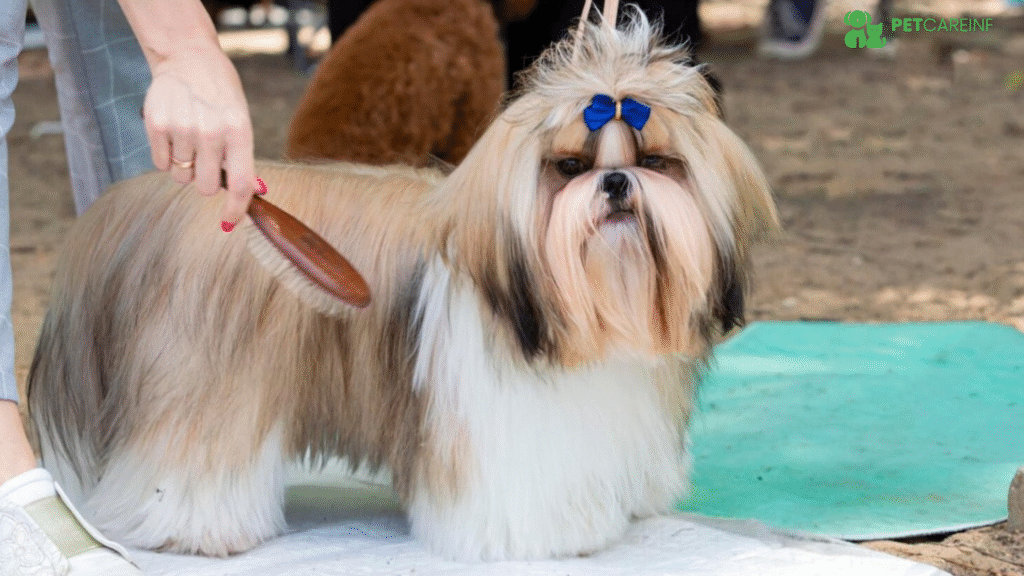
The breeds of Shih Tzu, Collies and long haired Dachshunds (also known as long haired wiener dogs) are the breeds that have hair that tangles very easily. Brushing helps to avoid mats that cling to the skin and cause breakage of hair. Bathing with conditioner once a month makes the hair flexible and less frictious. Portable detangling sprays are also used to make gliding through the coats with the brush easy without destroying it.
Short-Haired Breeds
Do not over-shampoo. Even the short-coated dogs, such as Beagles and Boxers, have the advantage of regular grooming. A rubber grooming glove can be brushed over the pet weekly, which removes dead hair and stimulates the production of oil, as well as polishing the coat itself. The over bathing should be avoided because short dog hair coats thrive on natural oils to maintain their softness and shine.
Curly-Haired Breeds
The hair of the poodle and doodle mixes grows incessantly and curls into tight coils. Unless trimmed and conditioned on a regular basis, curls become crass and matted. Regular brushing, professional hair cuts and hair moisturizers keep the curls soft and managable rather than harried.
Double Coated Breeds
Hhuskies and German shepherds are such breeds, which contain a dense undercoat with an outer protective topcoat. Large quantities of undercoat are shed during the season and it has to be removed to keep the coat soft. De-shedding rakes part loose undercoat without destroying guard hairs, which enables the coat to breathe and spread oils in a uniform manner.
Conclusion
It is not just about genetics when talking of a soft and shiny coat. It is an outcome of regular grooming, frequent bathing using an appropriate shampoo and conditioner, appropriate nutrition, hydration and low-stress lifestyle. Pay attention to these fundamentals and you are not only learning how to make dog hair soft, you are maintaining the general health of your dog. Well-maintained, well-groomed, and prosperous dogs are often identified by smooth and silky dog hair as the first thing that is noticed.
Frequently Asked Question
How can I make my dog’s hair soft?
To soften the hair of your dog, you can feed it a high-protein diet containing omega-3 fats, brush its hair regularly to evenly distribute the natural oils and bathe it every month using the dog shampoo and conditioner.
How to keep dog hair fluffy?
To maintain the fluffy look of the dog hair, brush often, dry it with a towel gently, and use a low heat blow dryer after bathing. Light light detangling or fluff sprays do not make the coat dry, but add volume.
Does coconut oil make dog fur soft?
Coconut oil will make dog fur soft, yes. Small portions used in food or applied sparingly on the food or the coat would be used to moisturize the hair and make it shine.
What makes dogs’ fur softer?
The hair of a dog becomes softer due to a balanced diet, healthy fats, constant grooming, appropriate hydration, and products that do not strip the natural oil but protect the skin barrier.
What size brush is best for long hair weenie dog?
A small to medium slicker is the best brush in the case of a long haired wiener dog. It slides away dust easily, rubs oils without leaving a spot and leaves the coating smooth without drag.