Rats generally live much shorter lives than many common pets, with pet rats typically reaching 2–3 years and wild rats often surviving less than 1–2 years. This article explains how long do rats live or averages, the biological and environmental reasons for the gap, and practical steps owners can take to improve rat longevity. Readers will learn clear lifespan benchmarks, the main factors that shorten or extend life (diet, disease, genetics, environment), and species-level differences among Norway, black, and fancy rats. Practical sections cover veterinary schedules, enrichment strategies, and species-specific care notes so owners can act on each factor.
The article closes with quick reference tables—an age-conversion chart, a factors EAV table, and a species comparison table—to make lifespan information easy to use. Understanding these elements helps owners recognize aging signs early and take preventive steps to improve both lifespan and welfare.
How Long Do Rats Live? Comparing Wild and Pet Rats
The average lifespan of rats depends strongly on whether they live in the wild or as pets, because external hazards and veterinary care create different mortality rates. Pet rats usually live about 2–3 years thanks to steady nutrition, shelter, and access to veterinary treatment, which reduces risk from infectious disease and injury.
Wild rats typically live under two years and often much less due to predation, food scarcity, and human-related hazards, producing a sharp survival gap. The following age-conversion table gives a quick reference for owners who want to relate rat ages to human life stages.
Rats age quickly compared with humans, so a short conversion chart helps owners plan care and anticipate senior issues.
| Rat age | Human-age equivalent | Notes on health stage |
| 3 months | ~8–10 years | Young adult, high activity, growth finishing |
| 12 months | ~20–25 years | Mature adult, peak health, reproductive prime |
| 24 months | ~50–60 years | Middle-aged, start of common age-related conditions |
| 36 months | ~70+ years | Senior, higher risk of tumors and kidney disease |
This age-conversion table clarifies how quickly rats progress through life stages and why early preventive care matters for long-term outcomes.
How Long Do Wild Rats Typically Live?
Wild rats generally have average lifespans under two years because external threats drive mortality more than intrinsic aging. Predators such as birds of prey and mammals, combined with disease outbreaks and human pest control, reduce average survival to under 12–24 months in many urban and rural populations. Resource variability and exposure to toxins or harsh weather increase physiological stress and disease susceptibility in wild populations. Understanding these threats explains why protective measures in captivity—stable food, shelter, and veterinary care—so heavily extend life expectancy for pet rats.
This ecological perspective leads directly to contrasts with pet rat care and the specific interventions that improve longevity.
What Is the Life Expectancy of Pet Rats?
Pet rats raised in stable, enriched environments commonly reach 2–3 years, with careful owners sometimes reporting healthy individuals beyond three years as outliers. Consistent balanced nutrition, clean housing, social companionship, and regular veterinary attention reduce the most common causes of early death: respiratory disease, tumors, and kidney issues. Sex and genetics influence risk; spaying or neutering can modify some disease risks and behavioral stressors that affect lifespan.
Owners who recognize early signs of illness and follow preventive schedules often see better longevity and quality of life in their rats. These owner-focused interventions set the stage for detailed factor analysis that follows.
What Are the Main Factors That Affect Rat Longevity?
Rat longevity is primarily determined by five interacting factors: diet and nutrition, habitat and sanitation, disease exposure and veterinary care, genetics and breeding, and external threats like predators or toxins. Each factor modifies physiological resilience or exposure to hazards, so addressing multiple factors together produces the best lifespan gains.
The table below summarizes how each factor affects lifespan and offers practical mitigation owners can implement. After the table, we examine nutrition and habitat in more depth to provide actionable guidance.
Covering these factors explains why routine care and environment design are the most effective ways to extend rat life.
| Factor | How it affects lifespan | Practical examples / mitigation |
| Diet & nutrition | Directly influences immune function and weight | Feed balanced pellets; avoid sugary treats; monitor body condition |
| Habitat & sanitation | Reduces respiratory and skin disease risk | Provide ventilated cage, clean bedding, stable temperature |
| Disease & veterinary care | Early detection improves survival | Regular checkups, prompt treatment of infections and tumours |
| Genetics & breeding | Hereditary conditions change baseline risk | Source from reputable breeders; avoid close inbreeding |
| Predators & toxins | Acute mortality risk for wild rats | Keep pets indoors; avoid pesticide exposure in areas rats access |
This factors table highlights concrete actions owners can take to reduce risk across multiple longevity determinants.
How Does Diet Influence Rat Lifespan and Health?
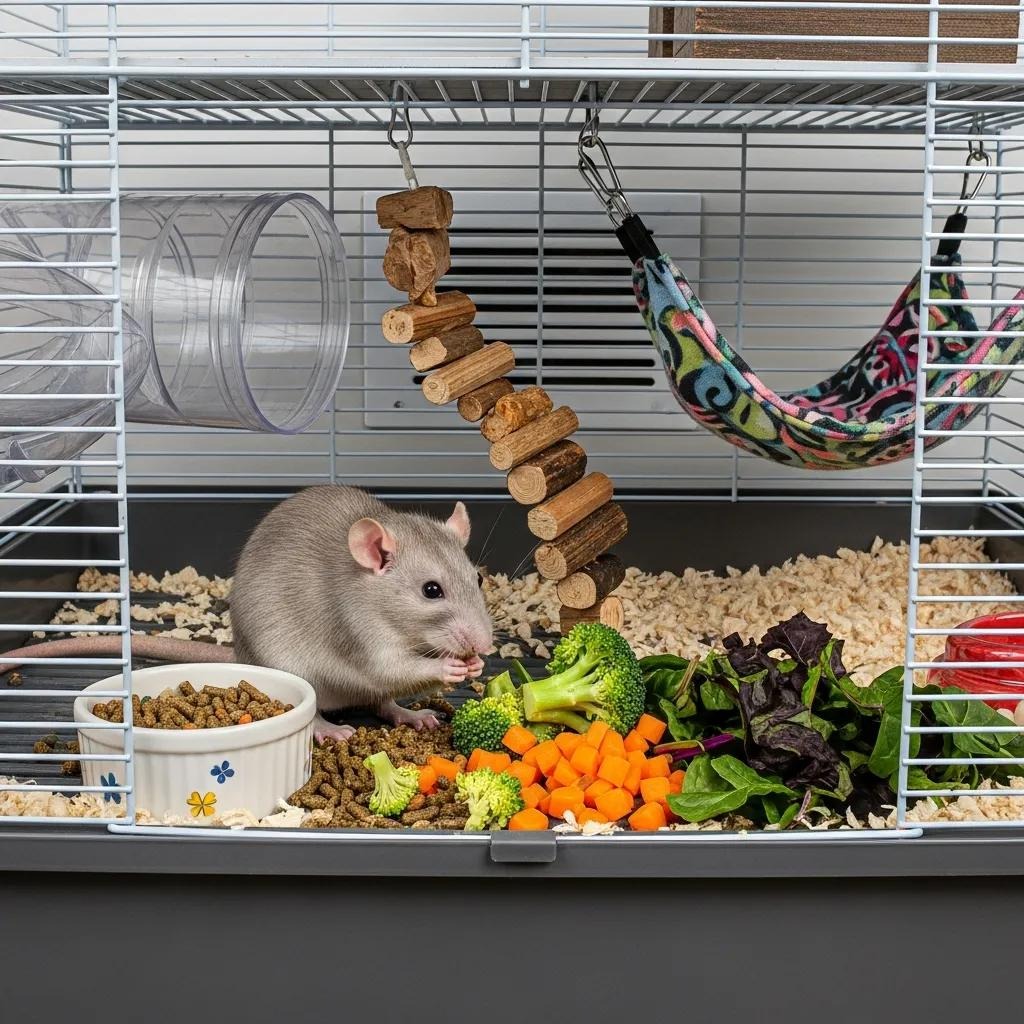
Diet shapes body condition, disease risk, and longevity by supplying macronutrients, vitamins, and minerals required for tissue maintenance and immune defense. A staple high-quality lab-formulated pellet ensures consistent nutrient ratios while fresh vegetables provide fiber and micronutrients; excessive sugary or fatty treats increase obesity and metabolic stress.
Avoid known toxic foods such as chocolate, caffeine, and large amounts of citrus for male rats; these items can cause acute toxicity or chronic health decline. Monitoring weight and adjusting portions prevents obesity-related problems and supports longer, healthier lives.
A clear feeding routine reduces metabolic strain and supports veterinary interventions when needed.
How Do Habitat and Environment Impact Rat Longevity?
A well-designed habitat reduces respiratory stress, injury risk, and boredom, all of which influence lifespan through chronic stress and disease susceptibility. Ideal cages are roomy, multi-level, and well-ventilated with safe chew-resistant materials; clean, dust-minimized bedding and routine sanitation prevent bacterial and fungal growth. Stable ambient temperature and low-draft placement reduce respiratory flare-ups, while hiding spaces and nesting materials reduce stress and promote natural behaviors. Proper social housing with compatible companions lowers stress hormones and supports mental health, which in turn lowers disease risk.
These environmental choices complement diet and veterinary care to create a robust baseline for longevity.
How Can You Extend the Lifespan of Pet Rats? Practical Care Tips
Extending a pet rat’s lifespan requires a combined approach: consistent nutrition, preventive veterinary care, environmental enrichment, and careful monitoring for early signs of illness. This section provides concise, actionable steps owners can implement immediately, from daily routines to annual health checkpoints.
Each listed area targets a major longevity factor so readers can prioritize high-impact changes. Following these steps in combination delivers the best chance of adding healthy months or years to a rat’s life. Owners who implement multiple practices together typically see better outcomes than those addressing only one area.
Introductory checklist of high-impact care practices to extend longevity:
- Balanced diet daily: Use formulated pellets as the staple and add fresh vegetables for variety.
- Consistent veterinary checks: Schedule routine exams and address respiratory or skin changes early.
- Clean, spacious housing: Provide ventilated cages, low-dust bedding, and safe nesting options.
These steps are foundational; combining them reduces common causes of premature death and improves quality of life.
Recommended veterinary schedule and actions:
- Every 6–12 months: Full physical exam including weight and dental check.
- As needed: Diagnostic tests for respiratory infections, masses, or kidney indicators.
- Immediate care: Seek attention for labored breathing, sudden weight loss, or lumps.
Early detection and treatment of common conditions like respiratory disease or tumors often lengthen lifespan and ease recovery when interventions are timely.
Environmental enrichment list with purpose and frequency:
- Daily: Fresh chewing opportunities and short supervised floor time.
- Weekly: Novel toys or rearranged cage elements to stimulate exploration.
- Ongoing: Social pairing with compatible cagemates for emotional support.
Enrichment reduces stress-related illness and promotes exercise, both of which support longevity and cognitive health.
What Veterinary Care Practices Help Maximize Rat Lifespan?
Regular veterinary care focuses on early detection of the most common and treatable conditions—respiratory infections, mammary or other tumors, dental issues, and kidney disease—which directly affect survival. A practical schedule includes a baseline exam at adoption, routine wellness checks every 6–12 months for healthy adults, and more frequent visits for seniors or symptomatic animals.
Common diagnostics include weight trends, auscultation for lung sounds, and palpation for masses; imaging or bloodwork is used when disease is suspected. Prompt treatment of infections and palliative strategies for chronic conditions can substantially improve both lifespan and quality of life.
Recognizing red-flag signs early—labored breathing, sudden lumps, rapid weight loss—should trigger immediate veterinary consultation to improve outcomes.
How Does Environmental Enrichment Improve Pet Rat Longevity?
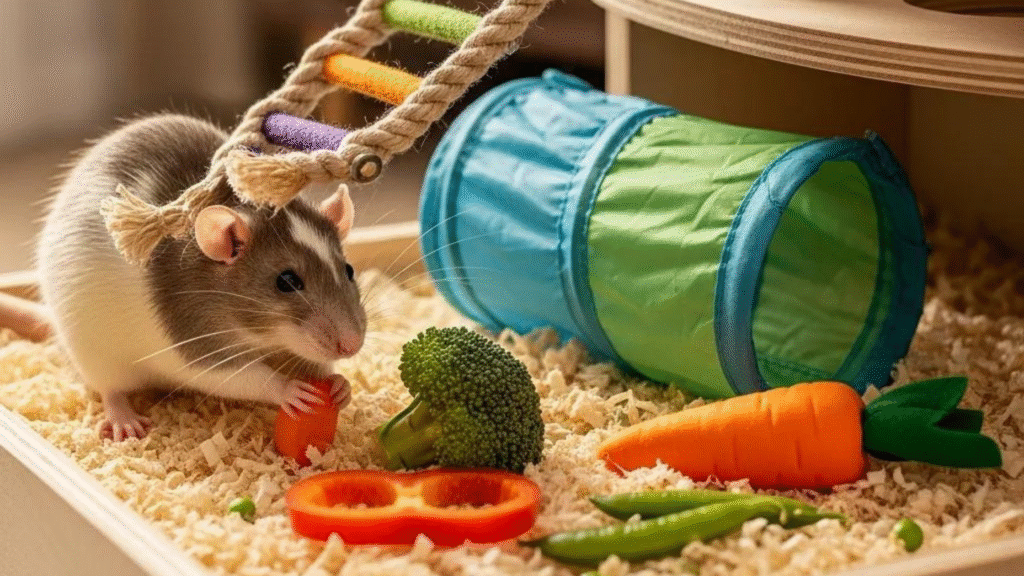
Environmental enrichment reduces chronic stress and encourages physical activity, which together lower the incidence of stress-related illnesses and obesity that shorten life. Enrichment items such as tunnels, climbing structures, safe chew toys, and puzzle feeders stimulate foraging behaviors and cognitive engagement.
Social interaction with compatible rats provides emotional buffering and reduces stereotypic behaviors associated with boredom and stress. Rotating toys weekly and offering supervised out-of-cage exploration increase exercise and novelty, which supports mental health and physiological resilience.
Providing consistent enrichment complements nutrition and veterinary care, forming a three-part strategy that measurably improves rat welfare and survival.
How Does Rat Species Affect Lifespan? Norway, Black, and Fancy Rats Compared
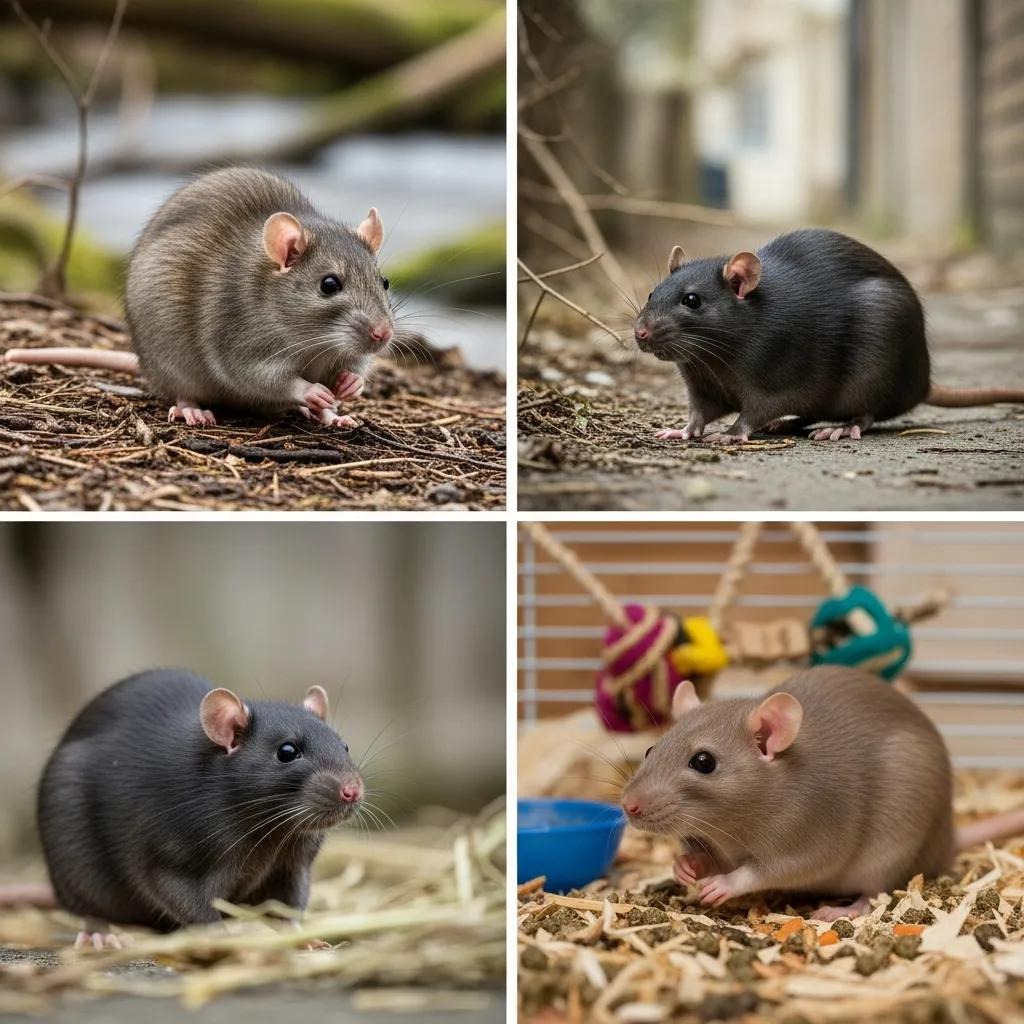
Species and strain differences shape baseline lifespan through genetics, size, and typical health risks; domesticated fancy rats show different profiles than wild Norway or black rats. Fancy rats—descended from Norway rats but selectively bred—often experience pet-care-related lifespans of 2–3 years, while wild Norway and black rats face much shorter natural lifespans due to environmental hazards.
Breed-specific predispositions, like tumor rates or ear/skin traits in particular varieties (e.g., hairless strains), influence care priorities. The table below compares species and common health considerations to help owners choose and care for rats with species-appropriate expectations. This species comparison clarifies trade-offs between hardiness, behavior, and likely medical challenges for different rat types.
| Species / Strain | Average lifespan (years) | Typical health risks / care notes |
| Norway rat (R. norvegicus) – domesticated | 2–3 | Prone to mammary tumors; generally hardy in captivity |
| Black rat (R. rattus) – wild | <1–2 (wild) | High predation and disease exposure; not typical pets |
| Fancy rat (domesticated variants) | 2–3 | Breeding lines vary; some strains show higher tumor risk |
This species table helps owners anticipate common issues and tailor preventive care to the rat type they keep.
What Is the Average Lifespan of Norway Rats?
Domesticated Norway rats typically live about 2–3 years in home settings, while wild Norway rats rarely survive beyond two years because of extrinsic risks. In captivity, good diet, low-stress housing, and veterinary care mitigate common causes of mortality such as tumors and respiratory disease, making 2–3 years a realistic expectation for well-cared-for individuals.
Laboratory and pet populations show similar age ranges, although specific bloodlines and husbandry practices can extend or reduce average outcomes. Knowing this baseline helps owners track normal aging versus pathological decline. Owners choosing Norway-derived fancy strains should monitor for common age-related conditions and follow preventive care schedules.
How Do Black Rats and Fancy Rats Differ in Longevity?
Black rats in the wild face short average lifespans under natural pressures, whereas fancy rats—domesticated and selectively bred—benefit from protective care and longer captive lifespans. Fancy rats often receive greater human-directed veterinary and environmental support, which reduces mortality from infections and trauma compared with wild black rats.
However, certain fancy strains—such as those bred for unusual appearances—can carry hereditary vulnerabilities that affect longevity, requiring targeted monitoring. Selecting healthy, well-socialized individuals and avoiding risky breeding pairs improves the chance of reaching the upper end of the pet rat lifespan range.
Comparing species highlights how environment and breeding choices intersect to determine expected longevity.
Rats age quickly and require consistent preventive care to maximize lifespan.
Average Lifespan of Domestic Rats
The average life span of the domestic rat is 2.5 – 3.5 years.
Biology and medicine of rats, KR Pritchett, 2004
Conclusion
Understanding the lifespan of rats and the factors that influence it empowers pet owners to enhance their pets’ quality of life. By implementing a balanced diet, regular veterinary care, and a stimulating environment, you can significantly extend your rat’s longevity and well-being. Explore our comprehensive resources for more tips on caring for your pet rat effectively. Take the next step in ensuring a happy, healthy life for your furry friend today.
Frequently Asked Questions
What are the signs of aging in pet rats?
As pet rats age, they may exhibit several signs that indicate they are entering their senior years. Common indicators include decreased activity levels, changes in eating habits, weight loss, and increased sleeping. You might also notice changes in their fur, such as graying or thinning, and they may become less social or more irritable. Additionally, health issues like respiratory problems or tumors may become more apparent. Regular veterinary check-ups can help monitor these changes and address any health concerns early.
Can diet changes improve a rat’s lifespan?
Yes, diet plays a crucial role in a rat’s overall health and longevity. A balanced diet that includes high-quality lab-formulated pellets, fresh vegetables, and limited treats can significantly enhance their immune function and reduce the risk of obesity-related diseases. Avoiding toxic foods, such as chocolate and caffeine, is also essential. Regularly monitoring their weight and adjusting their diet accordingly can help prevent health issues and promote a longer, healthier life for your pet rat.
How often should I take my pet rat to the vet?
Routine veterinary care is vital for maintaining your pet rat’s health and longevity. It is generally recommended to schedule a full physical exam every 6 to 12 months for healthy adult rats. Senior rats or those showing signs of illness may require more frequent visits. Early detection of common health issues, such as respiratory infections or tumors, can lead to more effective treatment and improved outcomes. Always consult your veterinarian if you notice any sudden changes in your rat’s behavior or health.
What types of environmental enrichment are best for pet rats?
Environmental enrichment is essential for keeping pet rats mentally stimulated and physically active. Providing a variety of toys, tunnels, climbing structures, and safe chew items can encourage natural behaviors and reduce stress. Rotating toys regularly and offering supervised out-of-cage exploration can enhance their environment. Additionally, social interaction with compatible cage mates is crucial for their emotional well-being. These enrichment strategies not only promote physical health but also contribute to a longer, happier life for your pet rat.
How do I choose the right rat breed for longevity?
When selecting a rat breed, consider the average lifespan and health risks associated with each type. Fancy rats, which are domesticated and selectively bred, typically live longer than wild black or Norway rats. However, certain fancy strains may have hereditary health issues that could affect longevity. Researching reputable breeders and understanding the specific needs and risks of the breed can help you make an informed choice. Prioritizing health and socialization in your selection process can lead to a more resilient pet.
What are the common health issues in older rats?
As rats age, they become more susceptible to various health issues. Common problems include respiratory infections, tumors (especially mammary tumors), dental issues, and kidney disease. Older rats may also experience mobility issues or arthritis, which can affect their quality of life. Regular veterinary check-ups are essential for early detection and management of these conditions. Being vigilant about changes in behavior or physical appearance can help you address health concerns promptly and improve your rat’s overall well-being.