Finding information on pet care online is not difficult. Simply type in your query regarding any aspect of pet ownership, from grooming to training, and countless hits will come up in the search engine. But while there is no lack of information available online, separating the good, reliable, and realistic tips from the rest is the real challenge for any pet owner. And this is where our guide comes in. No matter what type of pet you have — whether it’s a dog, a cat, a rabbit, a parrot, or any other companion animal — the basics of responsible and conscientious pet ownership are the same for all. And the key to being a good pet owner does not lie in spending more money on your furry friends or keeping up with trends but rather knowing what they need and taking care of those needs at every stage of their life.
This guide covers the most vital aspects of responsible pet ownership in eight different areas. From proper nutrition and preventive health care to emotional well-being and emergency preparedness, you will find everything you need to know about pet care in this one comprehensive guide. From the newbie owner getting ready to welcome a new member of their family into their home to the experienced owner who simply wants to improve their skills, this guide is the answer to helping you create a healthy pet lifestyle for 2026.
💡 How to Use This Guide: Read it entirely for a better understanding or go straight to the section you need right now. You can even read each one separately since they all work well as pieces of advice on their own.

1. The Most Important Pet Care Advice Starts With Nutrition
Nutrition is probably the most significant thing about taking care of your pet because the diet you feed your pet is what influences its immune system, how healthy its coat and skin are, energy levels, digestion, teeth, weight, and even its longevity. Proper nutrition is the most important pet-care-related choice you’ll ever make. The problem is that pet food marketing has gotten very tricky. Words like natural, holistic, grain-free, and premium aren’t legally defined in pet food. It means that you could buy a bag that claims all of these things and yet still doesn’t have sufficient nutrition in it.
Principles of Sound Pet Nutrition Across Species:
- Select ‘complete and balanced’ foods as per the AAFCO guideline for pets – this is the bare minimum for providing adequate nutrition for the particular life stage
- Ensure the first ingredient on the label is one or more named, whole proteins such as chicken, salmon, turkey, and beef rather than generic names like ‘meat meal,’ ‘poultry by-products,’ or ‘animal digest’
- Select a diet based on the particular life stage of your pet since nutritional needs vary from one stage to another
- Do not purchase food containing artificial coloring agents, artificial preservatives such as BHA and BHT, and ethoxyquin, sugars, and corn syrup in excess
- Make no abrupt changes in diet, but slowly introduce the new food by mixing it with the previous diet for about 7–10 days
- Water is also part of nutrition, and proper hydration will impact all organs. Ensure you refresh the water daily and clean the bowl properly
Advice on nutrition for specific animals is critical. Cats, being obligate carnivores, cannot survive without meat and certain amino acids, such as taurine, found only in animal food products. Dogs are omnivores with many nutritional needs; however, their diet should include everything needed to meet them. Unlimited hay should be the base of a rabbit’s nutrition. Appropriate pellets should be fed to birds, and seeds should be avoided. There is no such thing as universal advice in terms of the nutrition of domestic animals.
⚠️ Common Nutrition Mistake: Feeding your pet an assortment of foods from different brands without verifying their balance and completeness. Mixing non-balanced foods doesn’t give you a complete feed; it gives you imbalanced nutrition. Opt for one quality feed and supplement it with fresh products prescribed by your veterinarian.

2. Preventive Health Care: The Advice That Saves Lives (and Money)
The best advice you will receive from a veterinarian concerning pet care will probably be the following one: focus on prevention rather than cure. Prevention in pet care consists of routine vet examinations, vaccination, parasite elimination, and dental care. While preventive measures will cost you less compared to the treatment of preventable diseases, more importantly, they will spare your pet many unnecessary sufferings. Many pet owners tend to visit a vet clinic only after they notice something wrong with their pets’ health. However, by the time a certain condition starts showing visible signs, it has likely existed for quite some time already. Regular examinations can help a veterinarian identify kidney diseases, murmurs of the heart, teeth diseases, cancers, thyroid problems, and diabetes at an early stage.
Your Preventive Health Care Checklist:
- Annual physical examinations for adult pets, twice per year for senior animals (dogs over 7 years, cats over 10 years); comprehensive lab work including blood testing, urinalysis, and complete body systems examination.
- Update immunizations annually; core vaccinations are necessary since the disease-causing organisms are still prevalent in the environment and can kill an unimmunized animal.
- Parasite preventive treatments should occur year-round, including heartworms, fleas, ticks, and intestinal parasites; some parasites cause serious disease, while others are zoonotic.
- An annual fecal test is conducted to identify any parasites causing illness within the intestines without producing noticeable symptoms for your pet.
- Dental exams and professional cleaning as required; by the age of 3 years, 80 percent of dogs and 70 percent of cats have periodontal disease; periodontal disease allows bacteria into the bloodstream and causes heart, kidney, and liver damage.
- Spaying and neutering surgeries help prevent reproductive cancers and eliminate the risks of uterine infections (pyometra), a very dangerous condition for an unneutered female.
- Microchip implantation provides a permanent means of identification for lost pets and reuniting with their families; update your information when you move or change your phone number.
💊 Medication Safety Tip: Never use human medicines on your pets without consulting your veterinarian. While many over-the-counter medicines are safe for humans, such as ibuprofen, Tylenol, and various antihistamines, they can be very dangerous for dogs and cats.
3. Grooming Advice That Goes Deeper Than Appearance
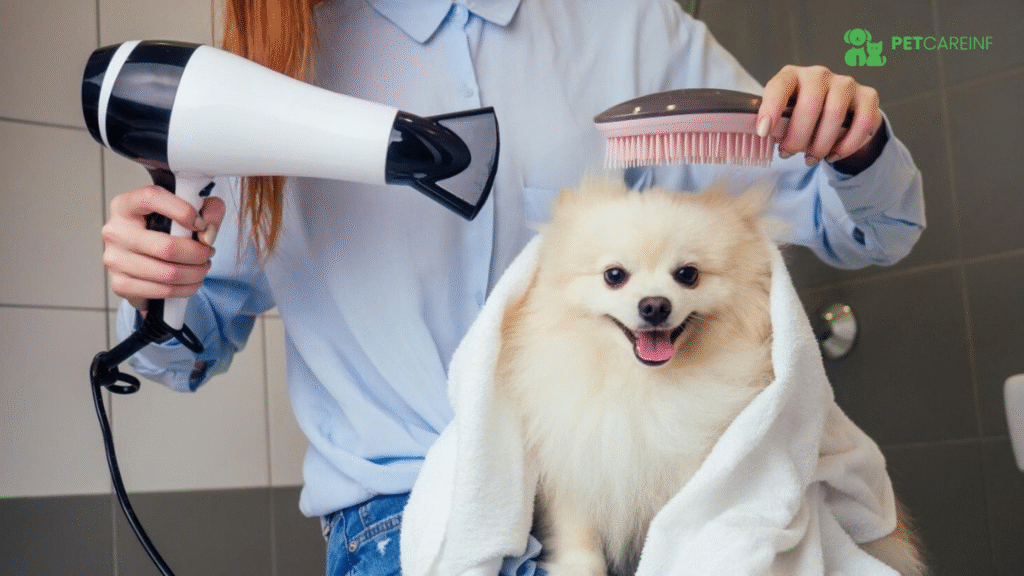
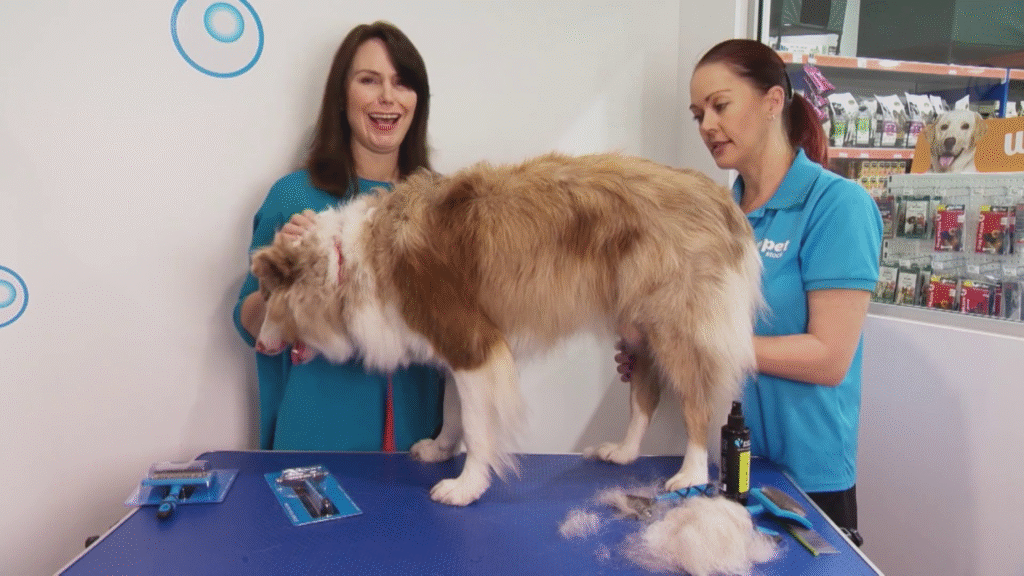
Pet grooming is commonly known as a procedure used to keep your pets clean and attractive. However, what is not widely known is that pet grooming can actually be used as one of the best health practices that will help you monitor your pet’s well-being. Because grooming involves physical contact with your pet, you get familiar with its body and can easily notice any changes such as lumps, unusual reactions, parasites, and other changes. Introduce pet grooming to your schedule, but do it in a relaxed environment. Make it an enjoyable experience by offering treats and encouragement. It should be done on a regular basis because pet grooming can help you discover any health concerns about your pet that would otherwise remain unnoticed for months.
Species-Specific Grooming Advice:
Dogs
- Brush 2–3 times a week if they have a short coat; otherwise, brush every day to prevent painful matting
- Bath 4–8 weeks apart with a safe dog-specific shampoo; avoid bathing too often because it removes protective skin oil
- Trim nails every 3–4 weeks; long nails affect posture, lead to joint problems, and curl back into the paw
- Check ears every month and clean if there is any sign of inflammation, smell, or dark discharge
- Brush teeth twice to three times per week using a pet-friendly toothpaste; never use human toothpaste as it contains harmful fluoride and xylitol
Cats
- Short-coated cats do not require grooming but will still benefit from once a week brushing
- Long-coated cats should be brushed daily to prevent matting; this is so bad in some cases that they require clipping under anesthesia
- Bathing of cats should only occur in case of medical necessity or being soiled by something dangerous
- Trim nails every 3–4 weeks; give the cat access to scratching posts
- Check ears monthly
Small Pets
- Rabbits are like cats when it comes to being clean animals themselves but require weekly grooming and daily grooming during their shedding periods, as they might ingest their own hair, which could lead to GI tract obstruction
- Guinea pigs require weekly grooming (daily grooming for long-haired guinea pig types like the Peruvian) and regular nail trimming every 4-6 weeks
- Birdbaths include regular wing and nail trimmings done by an avian groomer or veterinarian. Wing clipping should be avoided by inexperienced owners.
✂️ Pro Grooming Advice: Gradually introduce grooming tools before needing them in front of your puppy or kitten while giving treats and allowing them to explore the brush, nail trimmer, and toothbrush. This will avoid stress during future grooming procedures.
4. Mental Health and Emotional Wellbeing: The Most Overlooked Pet Care Advice
Physical well-being alone cannot be equated to complete health because mental well-being is essential too – just like in people. However, in pets, it remains one of the aspects that owners overlook the most, especially in species whose behavior does not immediately suggest pain or suffering. In particular, anxiety, boredom, loneliness, constant stress, and under-stimulation are common issues among domesticated animals that are perceived by their owners as nothing more than naughty or difficult behavior. For example, when dogs destroy household items while their owners are out, it may seem to be a sign of malice. Actually, they just try to cope with separation anxiety. If cats defecate and urinate in unusual places, it does not mean that they try to send any kind of a message. It may be another way to show how upset or sick they are.
Practical Advice for Supporting Your Pet’s Mental Health:
- Develop a structured routine – feeding, exercising, playing, and resting at specific times reduces anxiety in the vast majority of pets
- Offer appropriate stimulation daily – providing puzzle feeders, foraging, new toys, training exercises, and exploration ensures your pet gets enough mental exercise
- Maintain proper socialization – dogs and other animals are highly social creatures and experience negative impacts due to a lack of socializing; if you are away from home too often, consider dog daycare or dog walking
- Make available a private escape zone – each companion animal should have a place where he or she can relax peacefully, without interruption, knowing that the location is safe; never disturb a pet in his or her safe zone
- Recognize signs of stress – flattening of ears, tail tucking, yawning, lip-licking, whale eye, freezing, over-grooming, and hiding are some of the most common stress signals before exhibiting behavioural issues
- Practice petting correctly – most dogs feel comfortable and happy being touched by humans, but it varies in cats and you should always follow the cat’s preference
🧠 Research Finding: In a scientific report from 2019, it was stated that the dogs who experienced a higher quality of interaction with their owners had reduced cortisol levels, which resulted in good long-term health outcomes. You can consider your connection with your pet a health intervention.

5. Behavioral Advice: Understanding Why Your Pet Does What They Do
A major paradigm shift in pet ownership is changing how owners handle behavioral problems. Instead of managing behaviors (‘how do I prevent this from happening?’), one should first consider why their pet is behaving in a certain way. Every behavior fulfills a function for an animal; therefore, when you understand that function, you can tackle the issue effectively. This becomes significant since surface behavioral management without considering deeper root causes does not yield positive results in the long run. Although punishment techniques may temporarily solve behavioral issues, if the emotion or necessity behind such behavior persists and has not been properly addressed, then this problem will arise again, potentially in a stronger form.
Most Common Behavioral Issues and What They Actually Mean:
- Barking or vocalizing too much – indicates boredom, anxiety, alerting, or unmet need; find out what triggers the behavior and treat that, rather than trying to fix the symptom
- Chewing or scratching things destructively – means the dog needs more stimulation or exercise, has too much energy, is teething, feeling anxious, or doesn’t have acceptable ways to release pressure
- Urinating in the house or not using the litter box – rule out medical problems like UTIs or kidney disease first, and also consider that arthritis might make the box difficult to use; behavioral issues with the litter box are typically caused by a bad experience, poor hygiene, or stress
- Aggression – possibly the most misinterpreted canine problem; almost always stems from something specific such as fear, pain, protecting resources, or redirected frustration
- Separation anxiety – getting progressively more upset when the owner leaves; requires teaching the dog to tolerate being alone through a program of slow desensitization, along with medication for moderate/severe cases
- Reactivity while on the leash – generally due to frustration, being aroused or fearful, rather than true aggression; can be easily remedied with proper training methods
There are some principles that can be applied universally when dealing with behaviour. The first principle is that whatever we would like to have done more should always be rewarded while the undesired behaviour should not be rewarded in any way but not punished. These principles apply to every species, age group, and behavioural issue without any fear or strain.

6. Seasonal Pet Care Advice: Protecting Your Pet Year-Round
Most people who own pets regard caring for their pets as something that occurs all year long, without any seasonal changes. The truth is that the different seasons come with unique health hazards and pet care needs.
Spring and Summer:
- Parasite high season — these parasites, including fleas, ticks, and heartworm-transmitting mosquitoes, are most prevalent during the warmer months; be sure that parasite protection is up-to-date before spring arrives
- Heatstroke dangers — dogs can succumb to heatstroke very quickly; avoid leaving pets in a car on warm days, limit exercise times to the cool parts of the day, and be familiar with the symptoms of overheating (heavy panting, profuse salivation, staggering, vomiting)
- Brachycephalic breeds (Bulldogs, Pugs, French bulldogs, Persians) are particularly susceptible to heat dangers — these breeds are unable to dissipate heat through panting and can overheat even in relatively mild temperatures
- Water hazards — not all dogs have an inherent ability to swim; supervise your dog when he is near open water or swimming pools, and rinse him thoroughly after swimming to eliminate any residual chlorine or harmful bacteria
- Chemicals used in lawn and gardens – fertilizers, weed killers, and pesticides pose significant dangers to pets; keep dogs away from chemically treated grasses for 48 hours following application
Autumn and Winter:
- Ethylene Glycol Antifreeze – this sweet-tasting fluid is highly attractive to pets, but even a minute quantity can be lethal; use pet-friendly antifreeze products and always dispose of spills promptly
- Hypothermia and Frostbite – even with fur coats, dogs and cats can be vulnerable to the conditions; limit their outdoor exposure when temperatures drop below zero
- Paw Protection during Winter Months – salt used for de-icing purposes, as well as other chemicals, can burn a dog’s paws; clean paws after each walk and apply paw balm
- Christmas Dangers – chocolate, xylitol (an artificial sweetener), grapes, raisins, macadamia nuts, cooked bones, and tinsel are some of the common Christmas dangers; make sure that these items remain out of reach
- Fireworks Fears – noise aversion usually reaches its peak during holidays; consult with your veterinarian for effective ways of managing your pet’s anxiety

7. Emergency Pet Care Advice: Be Prepared Before You Need It
Emergency preparation is another area of pet care advice that many owners procrastinate on until the problem arises. You should never be searching for the location of the nearest emergency veterinary clinic in the middle of the night because your dog is seizing – this is something to be done during a quiet Tuesday afternoon when you have nothing else going on.
Build Your Pet Emergency Kit:
- Your veterinarian’s number and the nearest 24 hour emergency veterinary clinic’s contact information – programmed into your cell phone and posted on your refrigerator
- Pet first aid kit: sterilized gauze pads, self-adhesive wrap (Vet Wrap), antiseptic wash, digital thermometer, blunt scissors, tweezers, rubber gloves, and emergency blanket
- Digital copies of all of your pet’s veterinary records, vaccinations, microchip registration, list of all prescribed medications, and pet allergies – stored in cloud storage
- 72 hour supply of food, water, and prescription medications
- Crating that is familiar to your pet – don’t wait until an emergency arises to introduce the concept of crating to your pet
- Recent picture of each pet – useful if your pet goes missing
Know These Emergency Signs — Act Immediately:
- Trouble breathing, choking, or pale gums — lack of oxygen; emergency
- Fainting, seizures, or coma — emergency
- Poisoning believed to have occurred — contact the ASPCA Animal Poison Control Center (888-426-4435) at once; never induce vomiting unless instructed by experts
- Unable to urinate, particularly in males — urinary obstruction is lethal within 24–48 hours without treatment; emergency
- Swollen, firm, and painful stomach with unsuccessful vomiting in dogs — GDV (gastric dilatation volvulus) is a severe emergency that needs immediate surgical intervention
- Severe bleeding, possible bone fractures, or eye injuries — emergency
🚨 Emergency Rule: Always call your veterinarian or an emergency clinic when unsure. You’ll never regret taking action regarding what may appear non-urgent. Yet, delaying action on a critical situation might lead to your pet’s death. Listen to your intuition, for no one knows your pet better than you.
8. Building a Lifelong Partnership With Your Veterinarian
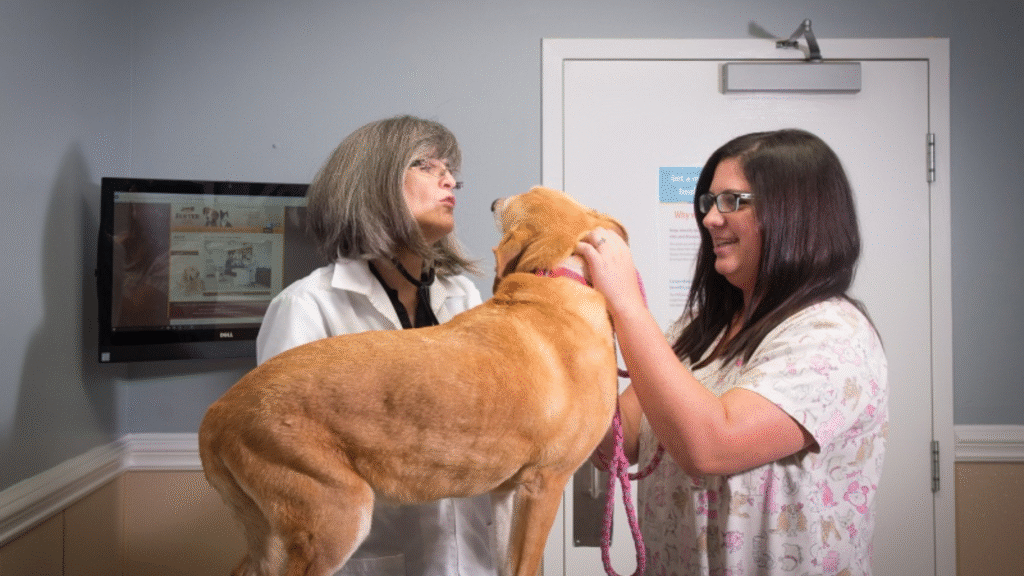
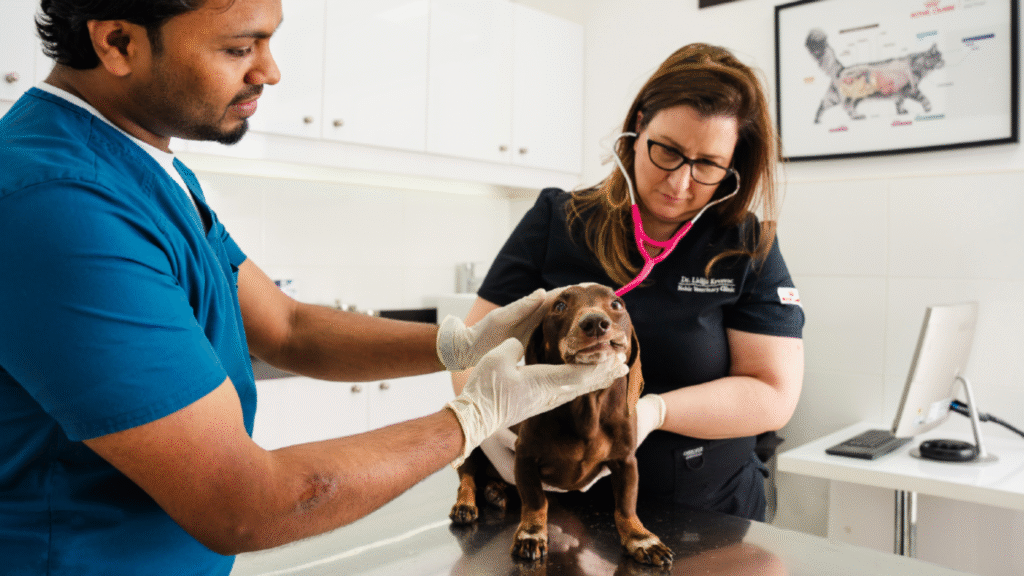
One of the most essential pieces of pet care advice that is often underestimated by many pet owners is that your vet is your most trusted partner for ensuring your pet’s good health. The role of your vet is not simply providing professional advice when there is an issue but someone who has worked with your pet for some time and knows about their health status and can offer personalized advice. The more you communicate with your vet regarding your pet’s health issues, the better prepared they will be able to spot any potential problems that can affect your pet. A vet that has treated your pet on multiple occasions will know everything about his weight, blood composition, behavior, and medical history.
- Bring a written list of your observations and questions to each appointment — clients who come prepared benefit the most from their appointments and forget fewer details during the consultation
- Take note of behavioral changes, dietary changes, water intake, elimination habits, energy levels, or physical changes in your pet since their last appointment — these clinical observations are crucial and you are the only one who can make these observations
- Honest discussion of your pet’s diet, activity level, and supplements/medications is essential — your veterinarian needs all of this information to provide you with sound advice
- Ask questions until you have a clear understanding — asking ‘What are the signs I should look for?’, ‘What could happen if I wait?’, or ‘What are my options?’ are all appropriate and necessary questions
- Adhere to any recommended diagnostic tests and preventative care — annual blood work and urinalysis serve as baseline measurements that allow for comparisons in the future; while it may be tempting not to follow up, it gives your veterinarian less ability to catch diseases early
- Develop a relationship prior to emergencies — veterinarians who know their clients and their pets take extraordinary measures to help in an emergency situation
🏥 Finding the Right Vet: It’s important that your chosen vet listens to your questions, is willing to give you explanations for everything, and is gentle with your pet. Fear-Free clinics are known for handling pets with a low-stress approach and make it easier for nervous animals.
Conclusion: The Best Pet Care Advice Is Consistent, Informed, and Given With Love
The best pet care advice does not need to be expensive, elaborate, and fashionable. It must be applicable to your particular case, practiced regularly and diligently during the entire course of your interaction with the animal. Provide proper nutrition to your pet. Maintain their health with preventive care. Regularly groom the animal and during these moments observe their body. Develop mental skills besides physical abilities. Know your pet’s behavior rather than control it. Plan ahead for possible accidents. And develop a professional relationship with a veterinarian.
None of this is impossible or difficult. None of these steps requires spending huge amounts of money or possessing special knowledge. All that needs to be done is to be attentive to your pet, diligent about it and eager to learn throughout the process of caring for your pet. Every pet owner begins somewhere – any progress made will have an effect on your pet’s lifespan and overall well-being. Your furry companion provides you with absolute dedication, constant happiness, and a bond like no other. In turn, the pet care tips offered in this article represent an opportunity for you to provide your pet with something just as precious as the bond itself – a long and healthy life ahead. For additional information on how to take better care of your pets, check out our petcareinf.com website dedicated to the health and well-being of your furball in 2026.
Frequently Asked Questions: Pet Care Advice
Q1: What is the most important pet care advice for new owners?
If you are thinking about adopting a new pet, the key piece of advice would be to focus on preventive care right away. Get your pet checked up by the veterinarian within a week after adoption; start teaching your pet from the very beginning using positive reinforcement techniques; create routines regarding diet, exercising, playtime, etc.; get educated on your pet’s specific needs ahead of time.
Q2: How often should I take my pet to the vet?
Healthy adult animals require at least one check-up in the course of a year. If you own senior dogs (more than 7 years old) or cats (over 10 years), you will need to bring them twice a year since age-related diseases progress rapidly and early treatment will help a lot. Puppies and kittens need at least four check-ups in the first 16 weeks because of vaccination and developmental reasons.
Q3: What is the best diet for my pet?
A healthy and well-balanced diet would be such that is designed for your type of animal and its age, size, weight, and health. It should contain the statement ‘complete and balanced’ and be approved by AAFCO, its main ingredients be high-quality proteins and meat without any artificial coloring and unnecessary fillers. The best way to choose a proper diet would be a consultation with your veterinarian, especially if your pet is sick or overweight or belongs to a particular life-stage category.
Q4: How can I tell if my pet is in pain?
Since animals try to mask pain, it becomes imperative to be aware of the indications. For instance, signs of pain in dogs include hesitancy to walk, altered posture, decreased appetite, abnormal aggression when petted, licking a particular part of the body obsessively, and changes in sleeping habits. On the other hand, signs of pain in cats include hiding, lack of self-grooming, hunched back, alteration in litter box behavior, inability to jump, and facial expressions like squinting eyes and tight facial muscles.
Q5: What household items are toxic to pets?
As animals naturally do not want to appear weak, it is crucial to understand how they show symptoms of pain. Some behaviors that may indicate pain in dogs include difficulty moving around, altered body posture, loss of appetite, unexpected aggressive behavior towards handling, increased licking of a particular part of their body, or alterations in sleeping habits. For cats, possible symptoms of pain include withdrawal, decreased grooming activity, hunched body position, unusual litter box habits, lack of jumping ability, or an altered facial expression.