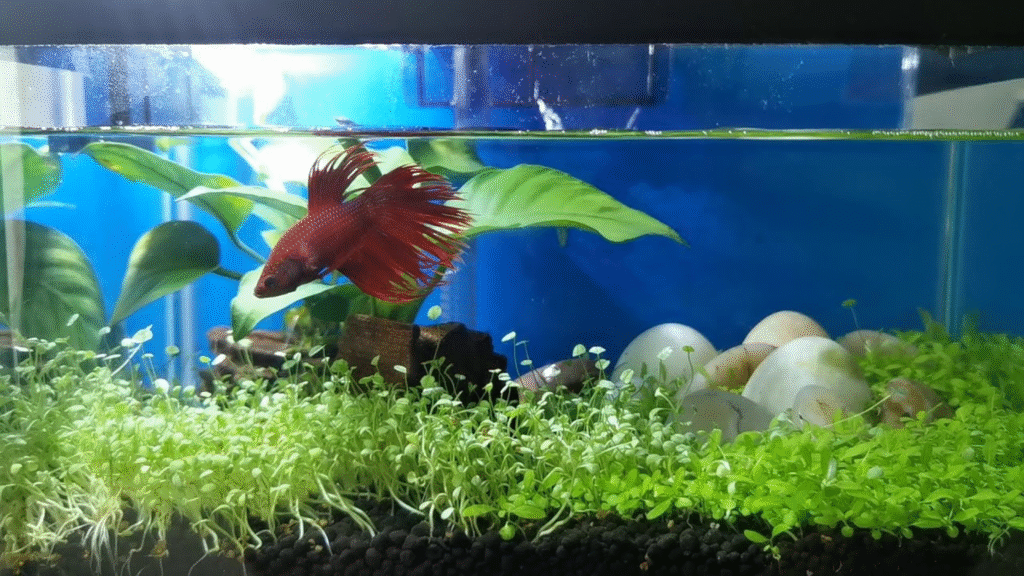
Betta fish need a 5-gallon tank or larger, a stable 76–82°F temperature, and a gentle filter that won’t push them around. High-quality betta pellets should be their main diet. They live 3–5 years with proper betta fish care and should never be kept in bowls, unfiltered water, or with aggressive tankmates.
- Understanding Betta Fish
- Tank Setup Requirements
- Step-by-Step Tank Setup
- Nitrogen Cycle Explained
- Choosing a Healthy Betta
- Feeding Your Betta
- Daily, Weekly, Monthly Betta Fish Care
- Common Betta Diseases
- Betta Tankmates (10+ Gallons Only)
- Betta Behavior and Enrichment
- Product Recommendations
- Lifespan and Aging
- Conclusion
- Frequently Asked Questions
- Resources and References
Understanding Betta Fish
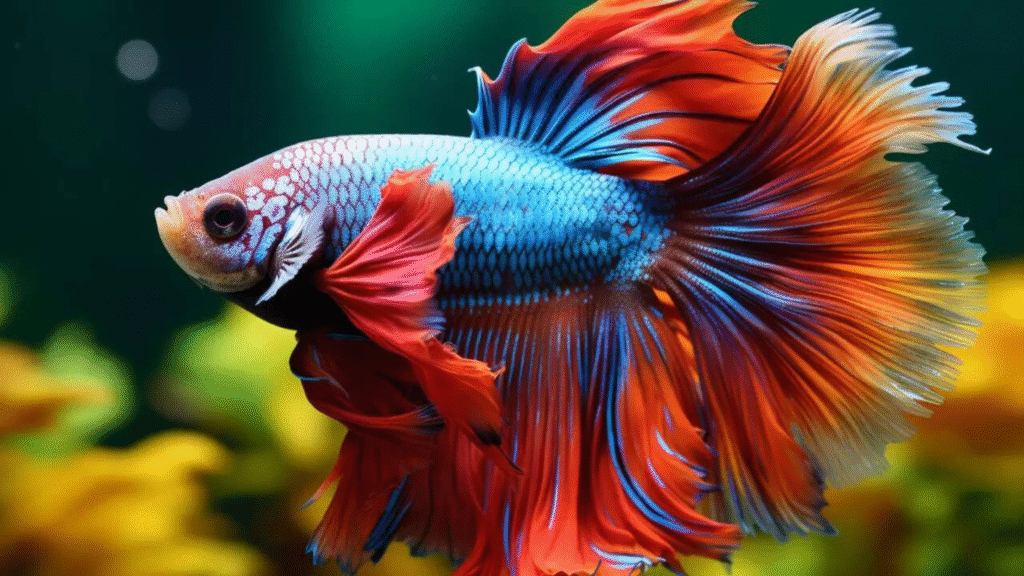
The origin of betta fish is Thailand with its shallow rice paddies and canals with slow-flowing water. These conditions conditioned bettas to endure in low-oxygen water by acquiring a labyrinth organ which allowed them to inhale air on the surface. This distinct nature causes them to be hardy though it does not imply that they do well in bowls.
The bettas are territorial and lonely. Male particularly defends his ground, and a fight ensues when two males are kept together. They have the capacity to surprise a novice, many bettas know how to follow fingers, to know routines and actually to lay down simple tricks.
The most prevalent wrong assumptions are that bettas like using small containers or that they do not require heaters. In reality, stable warm water is one of the most important parts of betta fish care.
Tank Setup Requirements
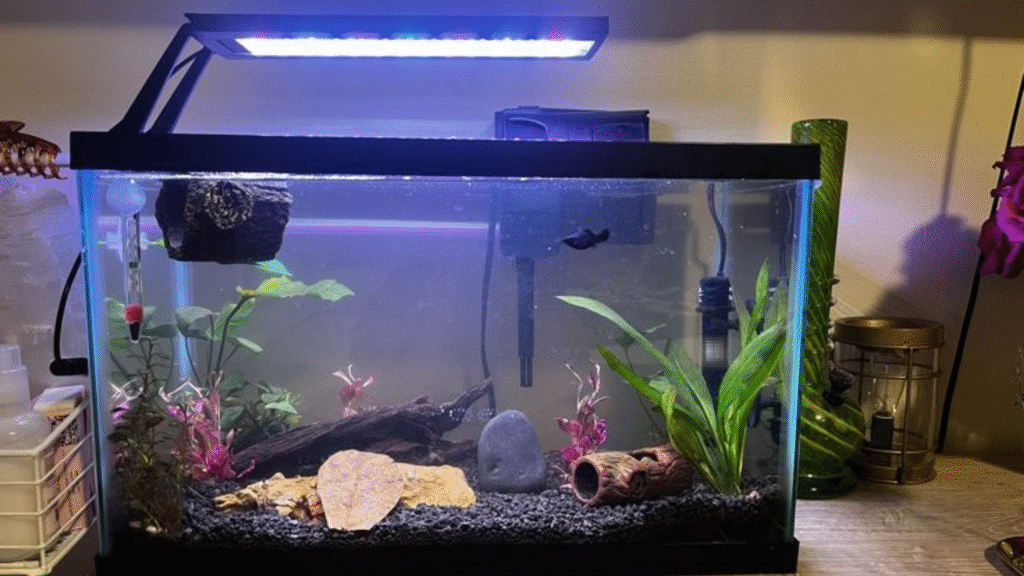
Long term health is based on a good environment. Proper betta fish tank setup prevents stress, disease, and early death.
Tank Size
One betta should be given a minimum of 5 gallons. Smaller tanks gather toxin more rapidly which causes water to be unstable. Higher capacity tanks also allow the bettas to move in a horizontal manner which is their natural behavior when in water. Bowls cannot allow free swimmer pools and do not allow constant heat or filtering. This gives rise to often changing of water and constant stress. A good tank will provide your betta with room to move and be on the go.
Water Parameters
Bettas like same warm and constant waaters. The importance of stability is that when things are rapidly changing, it leads to stress.
- Temperature: 76–82°F
- pH: 6.5–7.5
- Ammonia: 0 ppm
- Nitrites: 0 ppm
- Nitrates: Under 20 ppm
The heater is necessary since the room temperature is generally very low. An application of a test kit makes the water remain within a healthy range.
Equipment Needed
A complete setup includes several essential items. Each piece plays a different role in a stable and safe environment.
- Heater: Adjustable, about 5 watts per gallon.
- Filter: Gentle flow; sponge filters are ideal.
- Thermometer: Digital or stick-on for daily checks.
- Test Kit: Measures ammonia, nitrites, nitrates, and pH.
- Substrate: Gravel or sand, depending on style.
- Decorations: Smooth items with no sharp edges.
- Plants: Live or silk plants for hiding and enrichment.
- Lid: Bettas jump, so a lid prevents accidents.
Step-by-Step Tank Setup
It is always important to install the tank properly first because this provides a healthy start. One of the most typical errors of novices is rushing the process.
Step 1: Rinse Tank and Decorations
Unload the tank and all contents with pure water. This eliminates dust and does not need the harmful chemicals. Do not use soap as some residue may poison fish.
Step 2: Add Substrate
Add 2–3 inches of gravel or sand. This fixes the plants and provides a good place to plants to the beneficial bacteria. Rub it downwards to make it flow more evenly.
Step 3: Install Heater and Filter
Place the heater close to steady flow to achieve uniform heating. Install the filter in areas with current that are mild. Control of flow is necessary since it is very easy to tear the betta fins.
Step 4: Add Decorations and Plants
Find hiding places and places to rest. Bettas like to lie on the broadleaf close to the surface. Sharp decor is to be avoided, as this snags the fins.
Step 5: Fill With Dechlorinated Water
Add little water in order not to stir substrate. lAlso, a conditioner should be used to eliminate chlorine. On day one, there is stable water chemistry.
Step 6: Cycle the Tank
Tank cycling takes 4–6 weeks. This develops the biological platform of safe living life. It’s one of the most important parts of how to care for betta fish.
Step 7: Test Water Parameters
Monitor ammonia, nitrite and nitrate concentrations on a weekly basis. When presented with zero ammonia and zero nitrites and low nitrates, the tank is prepared.
Nitrogen Cycle Explained
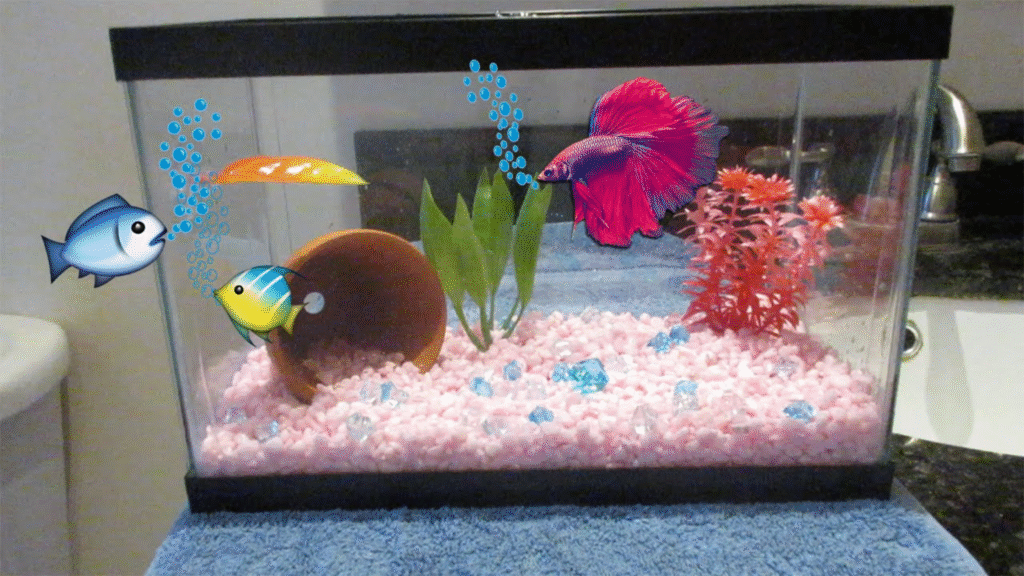
Fish waste is transformed into safe compounds by nitrogen cycle using useful bacteria. Bettas would perish in uncycled tanks since the ammonia accumulates. Cycling enables bacteria to proliferate in the filter and substrate. These bacteria transform the ammonia to nitrites, and subsequently, to nitrates. Water changes are used to remove nitrates. Cycling can be done in two modes; fishless or fish-in. Fishless cycling is safer as it will not be exposing the betta to toxins. Frequently they are used to test the water to monitor the progress till the cycle is complete. When you have a stable cycle, then add your betta. This lowers stress and facilitates the overall health.
Choosing a Healthy Betta
Improved bettas appear to be bright, move freely and respond to treatment. They must not have their fins clamped down. Do not keep the ones that are white-spotted, torn-tailed, or dark in color. Toiling or drawing at the surface may reflect sickness. Most of the large-box stores have bettas with early health problems concealed in dinky cups. Purchasing through a breeder or store specialty may result in high quality fish. Male and female bettas vary in the fin length and temperament and thus make your choice according to the plan of your tank.
Feeding Your Betta
A proper diet is essential for energy, color, and overall health.
Diet Basics
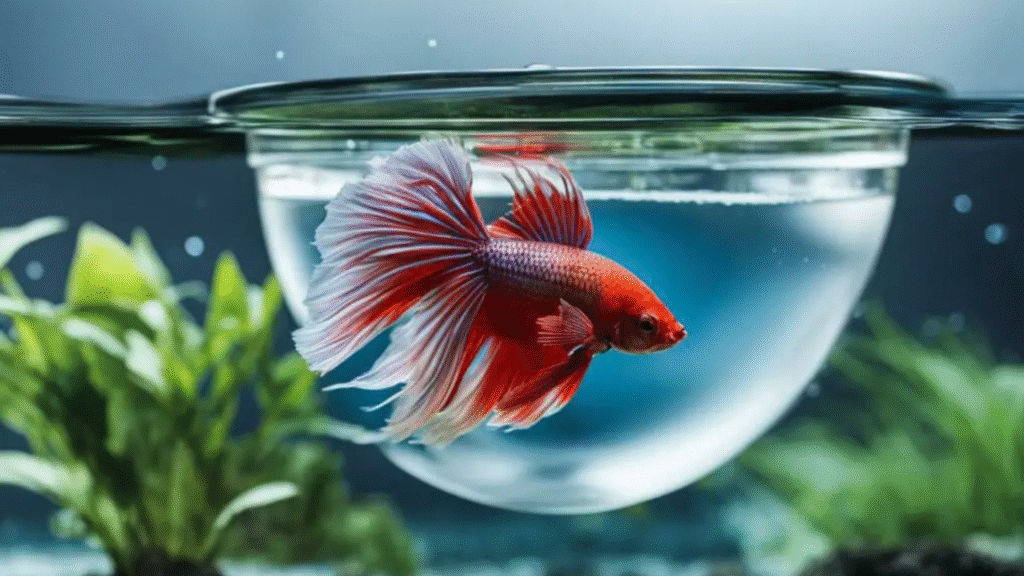
Feed special betta pellet which is high in protein. Seek at least 40 per cent of protein since bettas belong to carnivores. Add frozen or live foods like brine shrimp, bloodworms or daphnia.
Feeding Frequency
Offer 2–3 pellets twice daily. In nature the feeding habits of betas are small frequent meals due to their small stomachs. Bloating and problems with the swim bladder occur as a result of over feeding. A day of fasting once a week also serves to de-constipate the gastrointestinal tract and cleanse it. It also lowers the generation of wastes.
Foods to Avoid
Flake foods should not be eaten as they do not have the right nutrients. Breads are harmful to human digestive systems. The most prevalent cause of illness is over feeding.
Daily, Weekly, Monthly Betta Fish Care
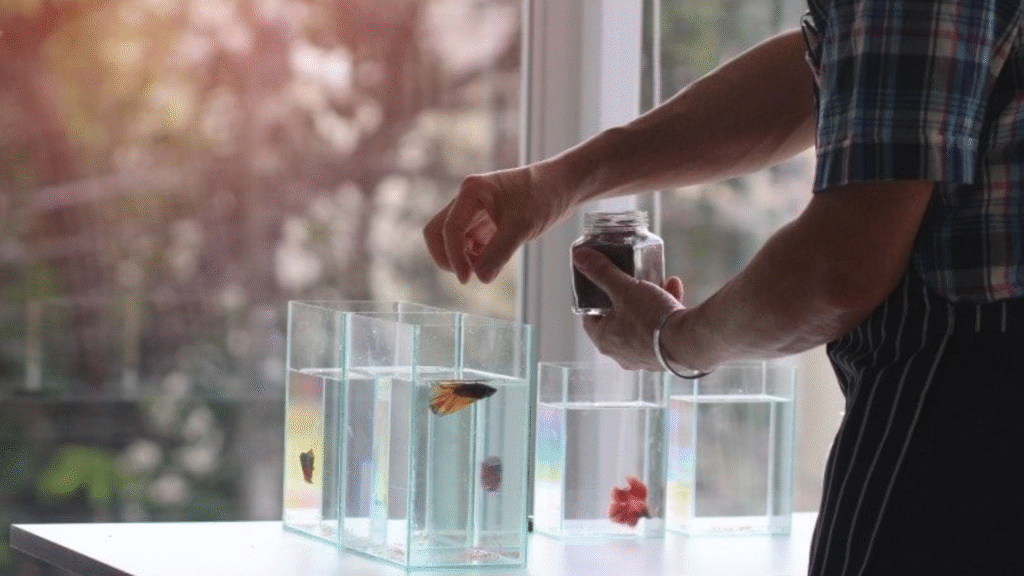
Routine betta fish care keeps your betta’s environment stable and reduces health risks.
Daily Care
Measuring the temperature of checks in the morning to monitor the consistency of the heater. Feed two times and note on the activity and appetite of your fish. Eliminate unconsumed food to avoid rises in ammonia.
Weekly Care
Add 25 percent of water and vacuum clean with gravel. Measure water parameters of the test water and maintain the cycle stable. Check the heater and filter to make sure that they are operating properly.
Monthly Care
Wet filter medium in old tank water to conserve bacteria. Cut off live plants and eliminate surplus algae. Only change filter cartridges when necessary.
Common Betta Diseases
Nevertheless, bettingas are tough, and diseases may still occur when the quality of water or food is low. These problems can be avoided with the help of early detection.
Ich (White Spot Disease)
Specks on body and fins are white. Bettas are capable of scratching objects. It is cleared by attending to the temperature and ich treatments.
Fin Rot
Fins are torn or discoloured. This usually is a result of bad quality of water. Antibacterial medication and frequent changes are helpful in recovery.
Swim Bladder Disease
Fish sink or strive to keep on their feet. One of the common causes of overfeeding. Recovery is promoted by fasting and Epsom salt baths.
Velvet
The skin is covered with gold, rust, etc. Bettas are lazy and ugly, do conceal themselves. It helps to darken the tank and are being treated with copper-based medication.
Dropsy
Severe swelling and pinecone like scales develop. This is a challenging disorder that is also fatal. Quarantine and antibiotics are needed as soon as possible.
Betta Tankmates (10+ Gallons Only)
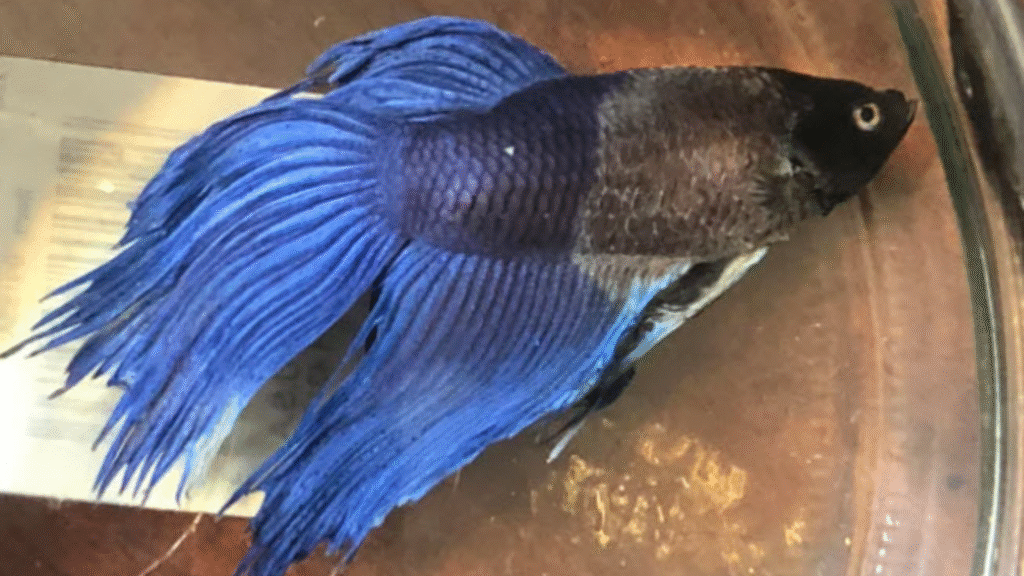
In larger tanks with more species, betas can coexist, however, precaution is necessary. Secure partners are snails, certain shrimp, corydoras and little harmless tetra. Dangerous fish to avoid are fin nippers and fish of a bright color or fish of aggressive nature. Add tankmate one by one and see what happens. Two male bettas should never be kept together. The only condition under which females can live in groups is the necessity to have enough space.
Betta Behavior and Enrichment
Bettas nest in bubbles in times of comfort. This is an indication of a healthy environment. They flaunt to demonstrate the dominance or curiosity. Training brings about enhancements and build trust. Bettas tend to be taught how to follow fingers, swim through hoops, or eat what is on the tongs. Mirror time area must not be excessive so as to avoid stress. The rearrangement of decorations makes the environment sometimes interesting. Bettas love venturing out in the country.
Product Recommendations
Here are common supplies used by new betta owners.
| Category | Product Example | Notes |
| 5-Gallon Tank | Aqueon LED 5-Gallon | Stable size for beginners |
| Heater | Fluval 50W | Reliable temperature control |
| Filter | Sponge Filter | Gentle flow for betta fins |
| Pellets | Omega One Betta Buffet | High-protein, clean ingredients |
| Water Conditioner | Seachem Prime | Effective chlorine removal |
These items help create a stable and predictable environment.
Lifespan and Aging
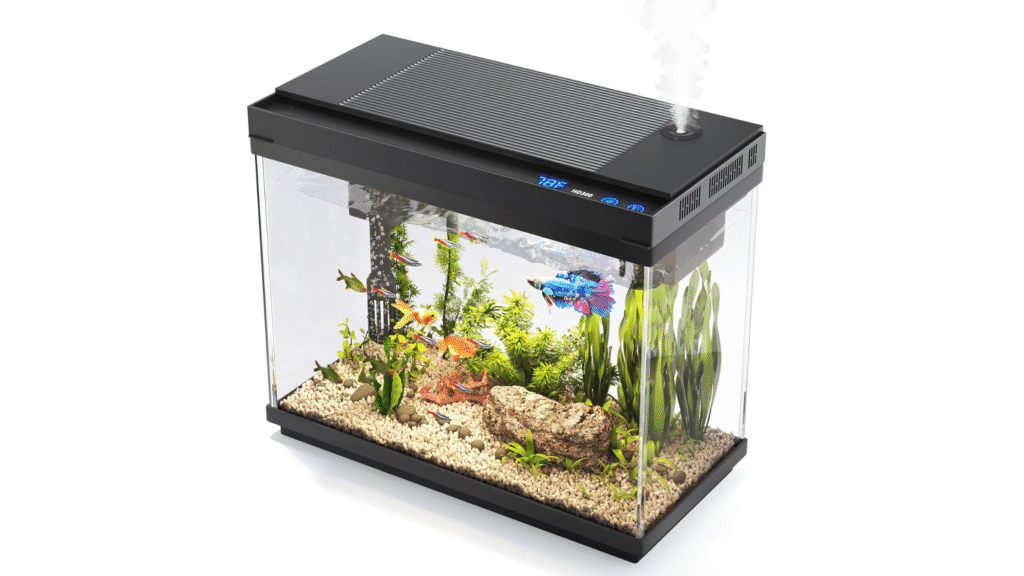
The typical betta fish lifespan is 3–5 years in home aquariums. With excellent betta fish care, some live up to 7 years or more. Extreme cases have gone up to 10 years. Betas get old and sleep more and their colours may fade. Immune and joint support food assists the older fish stay healthy. The floor plan of the structure is also favourable to seniors through smooth flow of tank and easy resting points.
Conclusion
Providing optimal betta fish care transforms a simple pet into a vibrant, long-lived companion. Prioritize a spacious 5+ gallon tank, stable warm water, and a cycled ecosystem to mimic their Thai paddy origins and support the labyrinth organ. Gentle routines—precise feeding, regular testing, and enrichment—ward off diseases like ich or fin rot while fostering natural behaviors such as bubble nests.
Embrace patience during setup and cycling for rewarding results. With dedication, watch your betta thrive for 3–7 years, exploring, flaring, and interacting. Proper care elevates aquatics from hobby to harmony.
Frequently Asked Questions
Can bettas live in bowls?
No. Bowls cannot hold heaters or filters, which leads to unstable temperatures and toxic waste buildup. Bettas may survive briefly, but long-term bowl living causes stress, illness, and a significantly shorter lifespan.
Do betta fish need a filter?
Yes. A filter keeps water clean by supporting beneficial bacteria that break down waste. Gentle-flow filters are best because strong currents stress bettas and can damage their fins over time.
How often should I change betta water?
In a fully cycled tank, change about 25% of the water once per week. Smaller or uncycled tanks require more frequent changes to prevent ammonia buildup and protect your betta’s health.
Can I put two bettas together?
Male bettas must never live together due to extreme aggression. Female bettas can only live in carefully managed groups with large tanks, proper ratios, and close monitoring to prevent stress and fighting.
Why is my betta not eating?
A betta may stop eating due to cold water, stress, poor water quality, or illness. Check temperature and water parameters first, then observe behavior closely to determine whether medical treatment is needed.