Have you ever looked at your cat and seen it dripping down the chin over its mouth? Cat drool can surprise many owners because cats are known for being clean and dry-mouthed animals. A small quantity of drooling does not necessarily indicate any kind of sickness but only makes it appear frightening. In other scenarios, cats salivate when they are greatly at ease, happy or love-filled particularly when purring or sleeping.
This is normally benign drooling that has to do with the emotional comfort. However, excessive cat drool, sudden onset drooling, or thick, sticky saliva can signal underlying health problems such as dental disease, mouth pain, nausea, toxin exposure, or systemic illness. Knowing what constitutes normal drooling and the symptom of medical alarm is something that every cat owner should know. In this guide, we will break down the common causes of cat drooling, explain when drool is harmless, and help you recognize situations where veterinary care is necessary.
Understanding Cat Drool
In cats drooling takes place when too much new saliva is lost out of the mouth rather than being swallowed. Since cats normally exercise a strict mastery over saliva, there is no predetermined normalcy to visible drooling and one should always consider it in its context. A cat with drool may look messy or unusual, leading many owners to assume it is just a quirky behavior. In reality, cat drooling falls into two broad categories: harmless behavioral drooling and medically significant drooling. These innocent secretions of drool that are usually seen during profound relaxation. Cats can also purr, knead, be petted, and even slept and drool.
This occurs due to the fact that the muscles of the jaw and mouth loosen and saliva starts to trickle out. In such a situation, the cat otherwise looks healthy, alert and comfortable. Medical drooling, however, is associated with pain, nausea, oral pain or a systemic illness. Any condition that afflicts the teeth, gums, tongue, throat, or internal organs may overstimulate the production of saliva or cause swallowing to be painful. Normal saliva control may also be disrupted by stress, toxins, infection and heat. The key to understanding cat drool is pattern recognition. Drooling now and then, in the condition of calm and happy moments, is generally of no consequence. Constant, sudden, thick, bad-smelling or excessive drooling, particularly in combination with behavioural changes, is an indication of a possible health problem that cannot be overlooked.
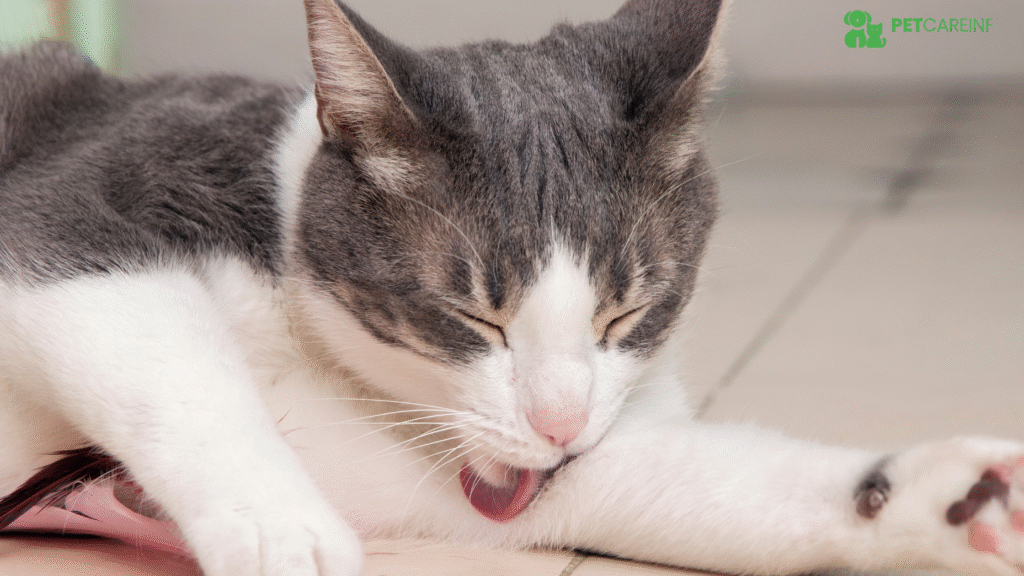
Normal Causes of Cat Drool
Not every drooling is a cause of concern. In many cases, cat drool is linked to comfort, relaxation, or positive emotional states. Such types of drooling tend to be mild, intermittent and self-limiting.
Relaxation
During times of extreme relaxation, e.g. when the cat is resting on your lap or in a place that it is comfortable with then the cat will drool. When the body is completely relaxed, the muscles which hold the saliva confined to the body are slightly relaxed, which is why small droplets of the saliva stick to loose it. This resembles the behavior of some human beings who drool when having a deep rest.
Purring
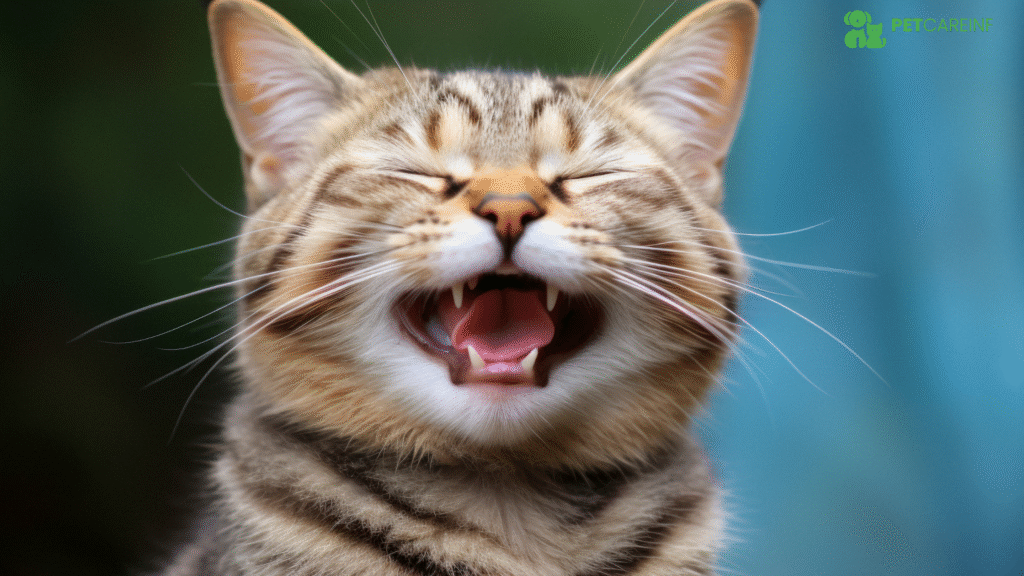
Other cats purr and at the same time drip. The process of purring is connected by the brain with pleasure and comfort, and a reaction can cause the activation of the salivary glands. The drooling is mostly accompanied by half closed eyes, slow blinking and still body language in such situations.
Petting and Kneading
Drooling as a result of petting or kneading is commonly known as happy drool. This action is attributed to the days of kittenhood where kneading and nursing were a sign of comfort and nourishment. In adulthood, a few cats still exhibit the reaction, and their output of saliva goes up during lovemaking.
Sleep
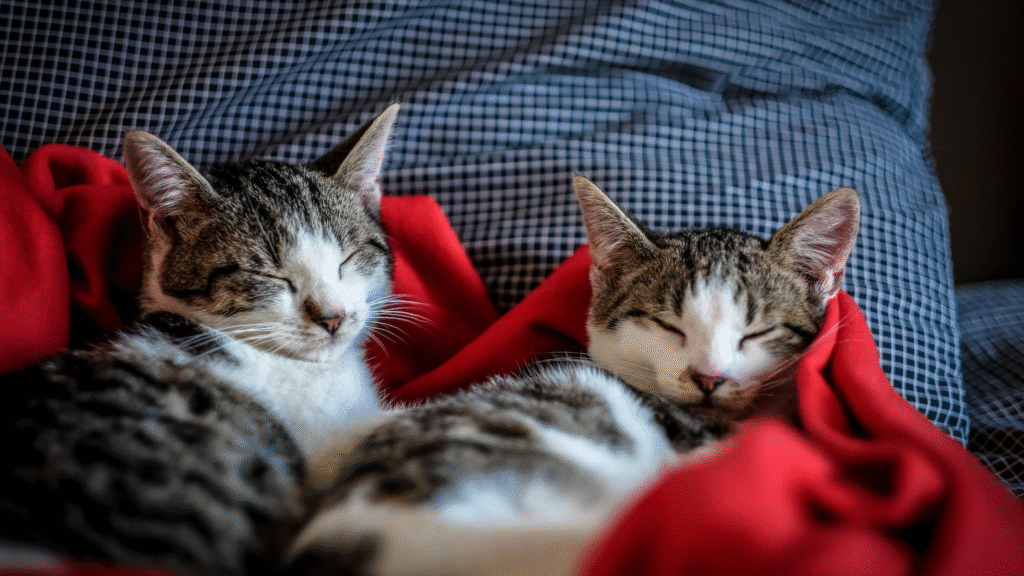
The jaw and facial muscles of a cat relax completely during deep sleep and particularly during REM sleep. This may enable a droplet or so of saliva to escape, leaving a wet mark on bedding. Sometimes, it is normal to drop some drool during sleep, when breathing is not a problem, among other symptoms.
These causes are harmless. If your cat drools only in these times and looks healthy otherwise, you don’t need to panic.
Medical Causes of Cat Drool
There are cases under which drooling is the indication that something is incorrect. Cat excessive drool, sudden onset drooling, or drooling that does not stop can point to underlying medical issues that need attention.
Dental Problems
Dental disease is one of the most common medical causes of cat drool. Mouth pain is extremely painful because of inflamed gums (gingivitis), infected teeth, abscesses, or fractured teeth. Cats secrete more saliva to deal with the inconvenience and this can be dripping. The companion signs include bad breath, a problem in chewing, or dropped food.
Mouth Ulcers and Oral Injuries
Severe production of saliva can be caused by wounds, cuts or burns, that occur in the inside of the mouth. These can be brought about by infection, immune disorders, chemical irritation or gnashing themselves on sharp things. Transformed cats have mouth- ulcers and rarely will eat, also they may scratch their faces.
Infections and Illness
The drooling and sneezing, nasal discharge, fever or lethargy may be caused by the upper respiratory infections, viral diseases (like calicivirus), and systemic infections. Certain viruses in particular result in painful inflammation in the mouth, a factor that raises the saliva level.
Toxins and Poisoning
Sudden and heavy drooling can be caused by exposure to toxic plants (such as lilies), household cleaners, pesticides or spoiled food. The saliva can be foamy or thick in such cases. Poisoning is an emergency case and is associated with vomiting, tremors, or weakness.
Heatstroke
Cats are not very tolerant to heat. Excessive drooling, panting, red gums and disintegration can all be occurred during overheating. The heat stroke is a rapidly developing condition that may turn lethal unless it is cooled and taken to the veterinary.
Stress or Anxiety
Drooling may be temporary as a result of severe stress, e.g. driving to the vet or being put in a new environment. This type normally passes, but may be excessive in case the anxiety is prolonged or intense. Red flag signs include blood in saliva, refusal to eat, pawing at the mouth, or constant drooling without rest. These need quick vet care.
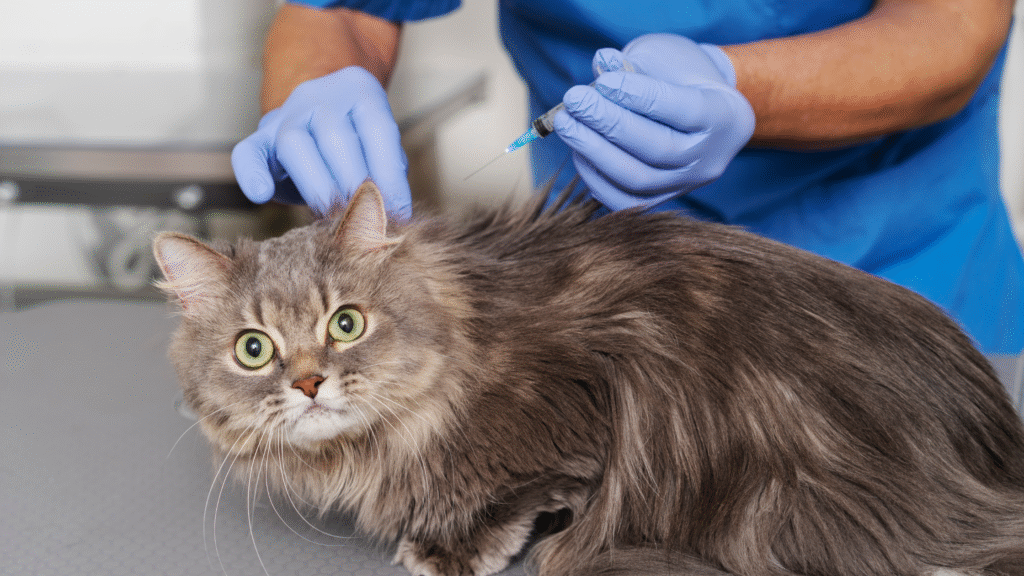
Why Does My Cat Drool Suddenly?
If you ask, why does my cat drool all of a sudden, it often means something has changed fast. A cat that never drooled before but suddenly does may be facing. Acidic gastrointestinal upset or nausea can also be associated with sudden drooling. Cats also drool, then vomit (or get nauseous because of stomach irritation, hairballs or something that was not very pleasant to them). In such instances, the drooling can cease once the nausea subsides, although persistent episodes must be enquired upon. Medication reactions are another cause that has not been taken seriously. Oral remedies may cause immediate drooling after being swallowed, especially bitter-tasting drugs. This response occurs frequently, and most of the time it is temporary, but when drooling occurs excessively or persistently after medication, then it should be reported to your vet.
Sudden drooling can also be caused by neurological problems, however at a lower frequency. Seizures, head injury, and nerve damage could also disrupt normal swallowing, leading to spilling of saliva out of the mouth. These instances are usually followed by disorientation, strained walking or bizarre behaviour. Age also plays a role. Older cats would suddenly end up drooling because of the wear and tear in their teeth, coupled with slower swallowing reflexes, and some chronic conditions that were not apparent in the past. Acute drooling in cats of older age is a condition that should be immediately assessed, despite the fact that other symptoms might appear mild. The most important conclusion is time and trend. A sudden outburst of drooling passes, but when it happens several times, or when it occurs frequently, then you should not overlook it, nor, after it happens, should you leave your cat to act calmly.
Drooling During Sleep or Purring
There is a little bit of drooling when asleep or when your cat is purring. These scenes are usually a sign of intense relaxation, although in some instances they can give hints to the viewer, regarding comfort or wellbeing. The situation, frequency and the attending behaviours are more important than the drool itself hence patterns are observed to determine whether the responses are normal or otherwise.
Cat Drooling While Sleeping
A drool cat during sleep may simply have fully relaxed jaw and facial muscles, allowing saliva to leak out naturally. It normally occurs in the deep slumbers or during the REM stages, and is often benign. But, when you also realise yourself breathing heavily, coughing, twitching, frequent waking, or drool which is present every night, this could be an indication of dental pain, respiratory problems or nausea. It is important to estimate the frequency of occurrence and the occurrence of other symptoms so as to define whether it is really normal.
Cat Drooling When Purring or Being Petted
Purring and drooling can also be referred to as happy drool. It has been generally associated with comfort, trust, and positive emotional attachment particularly among cats which were highly nurtured kittens. With that said, cats also purr in order to console themselves in case they are not at ease. Drooling can be an indication of pain in the body in case it accompanies hiding, decreased appetite, aggression, or vocalization, so it is advisable to check with a veterinarian.
Cat Excessive Drool: When to Worry
Cat excessive drool means more saliva than normal and should not be confused with occasional “happy drool.” Drooling that is chronic, heavy, or persistent is usually an indication of pain or sickness and does not mean that one is relaxed. When your cat has a constantly wet chin, desperately trying to drink water, or paws, it normally indicates that it is actually generating a lot of saliva but is not able to absorb it at a pace.
Here’s a simple table to guide you:
| Mild Causes (Not Dangerous) | Serious Causes (Need Vet) |
| Happy purring | Dental disease |
| Sleep relaxation | Oral tumors |
| Petting response | Poisoning |
| Stress from travel | Heatstroke |
| Excitement from food smell | Organ disease |
Special Concerns About Cat Drooling
There are certain drooling behaviours that have a much more serious purpose, and are therefore required to be attentively monitored particularly when sudden or recurrent.
Cat Drooling Thick Saliva
When a cat with drool shows thick or sticky spit, it usually means something is not right. This kind of saliva can appear if the cat is dehydrated, has an infection inside the mouth, or something is blocking the throat. If the drool looks foamy or slimy, it may be the body reacting to poison or a toxic plant. Thick saliva is never normal and should not be ignored. If you see it more than once, take your cat to the vet without delay.
Cat Drooling Before Death
This is a very delicate subject. Cats that are very sick in their final days may show more drooling than usual. Excessive cat drool at this stage can be linked to kidney disease, cancer, or organs shutting down. The body cannot handle fluids the same way, and saliva builds up. If you see drool along with weakness, refusal to eat, or weight loss, it may mean your cat is near the end of life. Speak with a vet about gentle care or comfort treatment so your cat does not suffer.
Cat Drooling at Night
Some cats drool while sleeping. This may be caused by the way they lie down, by stress during the night, or by acid moving up from the stomach. A little drool every now and then is not usually a problem. But if you find your cat’s chin wet almost every morning, or you hear coughing or choking while it sleeps, it’s best to have the vet check for stomach or throat problems.
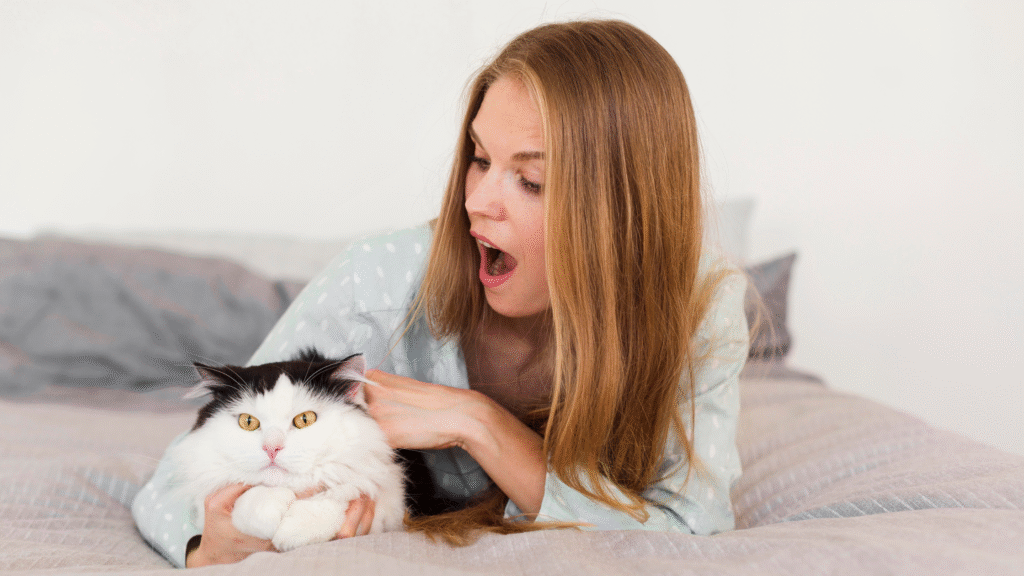
What You Can Do if Your Cat is Drooling Too Much
If your cat is drooling more than normal, here are a few simple checks you can do at home:
- Look inside the mouth: See if there are broken teeth, red gums, or something stuck.
- Smell the breath: Bad odor often points to gum or tooth disease.
- Watch eating: If food keeps falling out or your cat stops eating, pain in the mouth could be the cause.
- Notice other changes: Hiding, vomiting, or being weak are signs that something bigger is wrong.
- Avoid guessing: Do not give home remedies if you think your cat may have eaten poison.
- Call the vet: Sudden drool, blood in saliva, or thick foamy spit means your cat needs medical help.
Final Thoughts
Cat drool can be completely normal or a sign that something more serious is happening. Light drooling when purring or when sleeping or even when petting their animal normally is not harmful. However, excessive cat drool that appears suddenly, becomes thick or foamy, or comes with other symptoms should never be ignored. Patterns and changes are the most crucial thing to observe. If you find yourself asking, “why does my cat drool so much?”, trust that instinct. The drooling is okay, but persistent or excessive drooling points to alarm. Early pet treatment is enough to avoid pain and ensure the future of the health of your cat.
Frequently Asked Questions
Why would my cat drool all of a sudden?
The expression sudden drooling normally indicates an acute trigger which may be related to stress, mouth pain, the presence of a foreign object, exposure to toxins, or heat stress. Whenever your cat has never been drooling, and now drools and does so peculiarly with feeling of weakness ornamental and with pawing at the mouth, it demands immediate veterinary aid.
Why would my cat drool while sleeping?
The cat might also drool when they are in deep sleep as the facial muscles relax and the saliva just runs out. The drooling should occur occasionally. Yet with frequent occurrence with coughing, difficult breathing, or unsettled sleep, it can demonstrate dental problems, respiratory problems, or gastrointestinal problems.
Cat drooling before death — what does it mean?
Drooling can also manifest in severe and old cats because of tissue breakdown in organ failure and complications in swallowing. This may be linked to kidney disease, cancer or very serious systemic attack. Select comfort-based care in response to the plea with a veterinarian when linked to weight loss, feebleness, or anorexia.
Cat drooling excessively but acting normal — should I worry?
Other cats will purr, either when resting or in an expression of affection, and will drool a little. Several drops of normal drooling can be benign provided that your cat acts normally when she is eating, grooming and doing her normal activities. Still, monitor closely. Drools that are becoming thick or a change of behavior should prompt a vet visit that will exclude the possibility of untold dental or medical problems.
Why is my cat drooling thick saliva?
Sticky, thick, or foamy saliva can be a clear indication of dehydration, oral disease, and infection of the mouth, nausea, or exposure to toxins. This is not a normal kind of drool. In case it can show pictures several times or your cat appears to be apathetic or uneasy, you need to take him or her to the doctor.
Why is my cat drooling when I pet her?
Drooling at the time of petting is usually a behavior of relaxation and enjoyment of a purring type just like kneading. It is a sign of comfort and trust. But when drooling is intense, or it is accompanied with hiding, crankiness or lack of appetite, pain or illness may be eliminated.
Why is my cat drooling when purring?
The cat can purr and salivate a lot since the nervous system is associated with relaxation and release of saliva. This is what is usually referred to as happy drool. Nevertheless, cats can purr when they are stressed or are in pain, so look out to other signs such as decreased appetite, encouragement or changes in behavior.
Why would my cat drool at night?
Drooling in the night may happen in the deep sleep, specific sleeping postures, occasional reflux or stress at night. Occasional drool is normal. Wetness on a regular basis, coughing, choking, or disturbed sleep could show signs of throat, dental or stomach related issues and ought to be examined by a vet.