It is annoying and puzzling to discover the cat urine on your carpet, bed, or furniture. There is a change in cat litter box behavior: your cat always uses it and then how did it change suddenly? Litter box avoidance is another behavioral issue that cat owners struggle with but it is also one that is easy to solve once you know the reasons behind it.
The fact is cats do not quit litter box to get even with you or because they are stubborn. It is that there is always a reason be it a medical complication that is causing them pain during urination or a dirty box that is giving a foul odor to their sensitive nose or environmental stress that causes them to feel unsafe. The first thing to do is to understand the causes of the problem.
This is a complete guide that will take you through all the possible reasons of litter box problems where some are medical conditions that need emergency treatment of the pet to sampling solutions of these problems that can be done in the present time. You will also know how to article systematically, how to design a perfect litter box system aiming at eliminating accidents in the future.
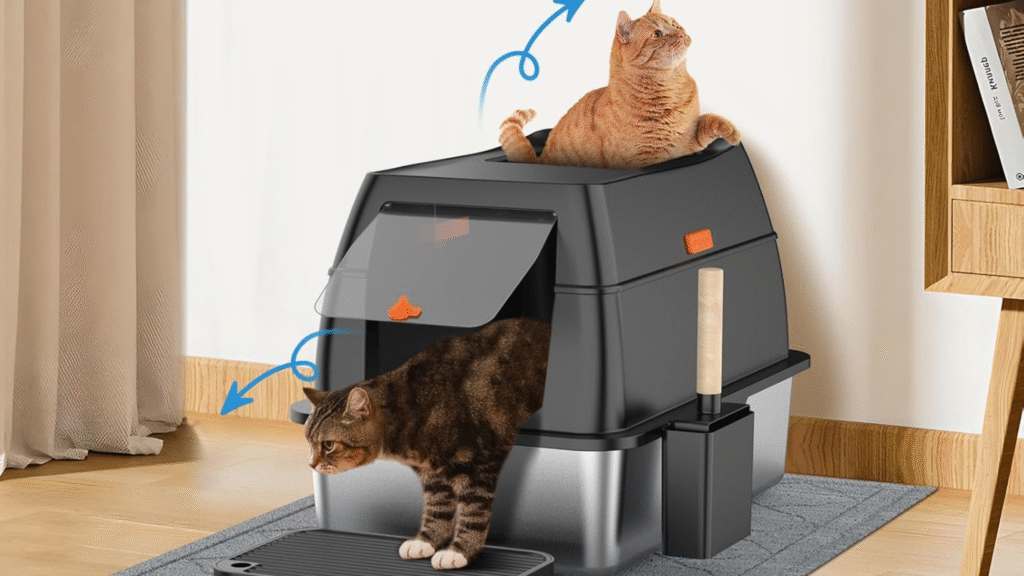
Medical vs Behavioral Causes
It is important to eliminate any medical problems before you decide to change the arrangements of the litter box of your cat. There are lots of serious health problems, which manifest themselves in litter box avoidance, and they can be improved by treating them as behavioral issues thus making your cat even worse.
Medical Causes (SEE VET FIRST)
These conditions require immediate veterinary attention:
- Urinary Tract Infection (UTI): Cats experience pain on urinating, and this makes them avoid the litter box
- Kidney Disease: More frequent urination may overpower the litter box and cat cannot be fast enough
- Diabetes: As in the case of kidney disease, diabetes also causes excessive urination resulting to accidents.
- Arthritis: sore joints complicate the ability to climb in and out of high-sided boxes particularly to the elderly cats.
- Cognitive Dysfunction: Elderly cats are able to lose ability to know where the litter box is or lose bladder control.
- Constipation or Diarrhea: The problems with the digestive system may cause the use of the litter box to be uncomfortable or urgent.
Behavioral Causes
The most universal behavior and environmental causes once medical issues have been eliminated include:
- Dirty litter box (most frequent),
- Problems with the location of the box (issected or too open, too noisy or not accessible).
- Wrong litter type or texture
- Home changes as a source of stress or anxiety.
- Marking of territory ( particularly in multi cat groups).
- Inadequate litter boxes to house the cats.
Notable: You should book a visit to the vet regularly before considering the issue of litter box to be the issue of cat behavior. Health problems may grow rapidly and lead to severe health conditions in case they are not addressed.
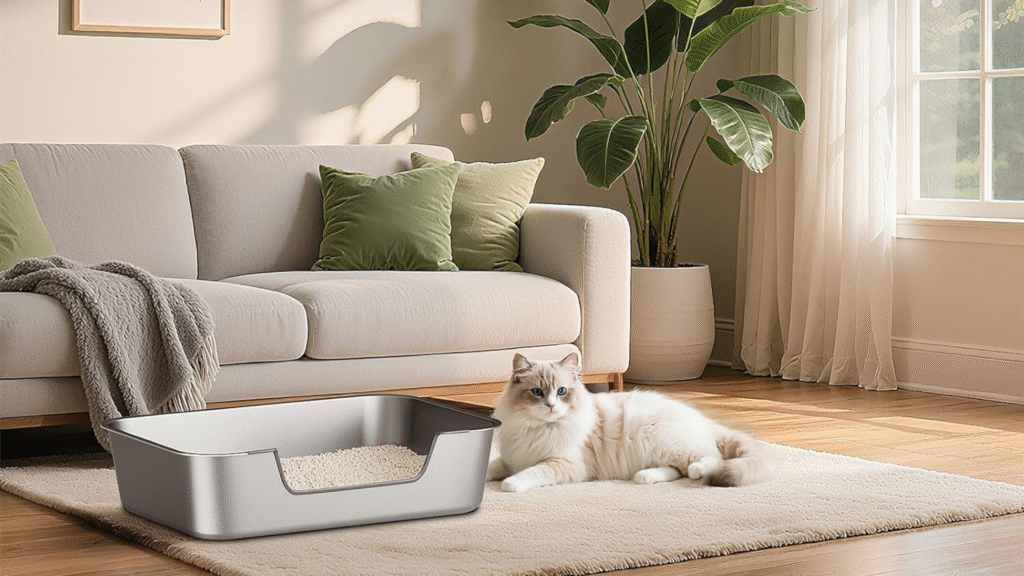
12 Reasons Cats Stop Using Litter Boxes
The trick to solving the problem is to understand the exact reason your cat is not using its litter box. The twelve most widespread causes, and practical solutions to them, are given here.
Box Is Too Dirty
Cats are neat creatures whose sense of smell is 40 times stronger than a human being. What appears slightly distasteful to you in the form of litter boxes appears abhorrent to your cat.
The solution:
- Scoop every day- three times a day, in case you have many cats.
- Replace all litter weekly
- Wash the box with a feeble soap after every one month (no rough chemicals should be used)
Not Enough Boxes
The golden rule: Number of cats +1= number of litter boxes required. There is a need to have two cats in three boxes, three cats in four boxes and so on.
Additional considerations:
- There must be 1 or more boxes per floor in Multi-level homes.
- You should not put all boxes into a room- disperse them.
- Two-box households are deemed beneficial to even single cat families.
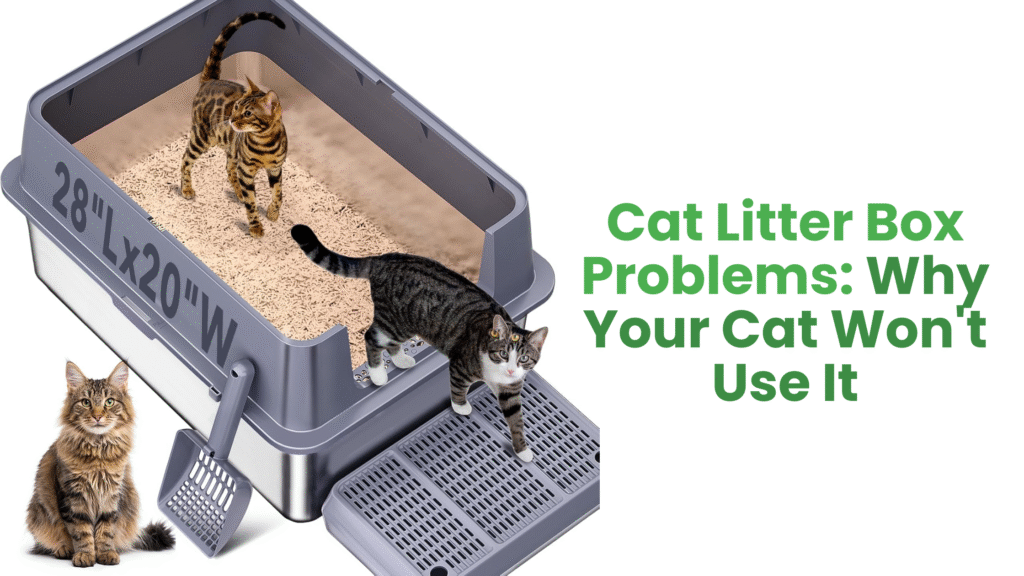
Box Too Small
I recommend a good guidance rule is that one should have the litter box which is 1.5 times the length of your cat (excluding the tail). A good number of litter boxes sold commercially are not big enough to house common sized cats, not to mention large cats such as Maine Coons.
Size guidelines:
- Jumbo boxes (at least 22 inches long) are required by large cats.
- Kittens require low-sided boxes to access them easily.
- Large plastic storage bins can be used as DIY litter boxes.
Wrong Litter Type
Majority of the cats is attracted to unscented and clumping clay litter of a fine texture. Litters that are heavily perfumed are meant to attract human beings, not cats- and most cats are repulsed by the unnatural smell.
Litter preferences:
- Use litters that are not very heavily perfumed.
- Change slowly when switching brands (mix old and new during 7- 10 days)
- Change the types of textures- some cats like crystal or pine or paper litters.
- This depth is important: 2-3 inches would be good with the majority of cats.
Box Location Problems
Location is everything. No litterbox will be used in a noisy and noisy or uncomfortable area regardless of its cleanliness.
Avoid these locations:
- Closely located to appliances (noise) (washer, dryer, furnace).
- The places that the cats consider exposed.
- Alongside food and water dishes (cats have headaches to divided area of places of feeding and elimination).
- Inaccessible places such as far basements.
- Such as around places that pets roam.
Covered vs Uncovered Boxes
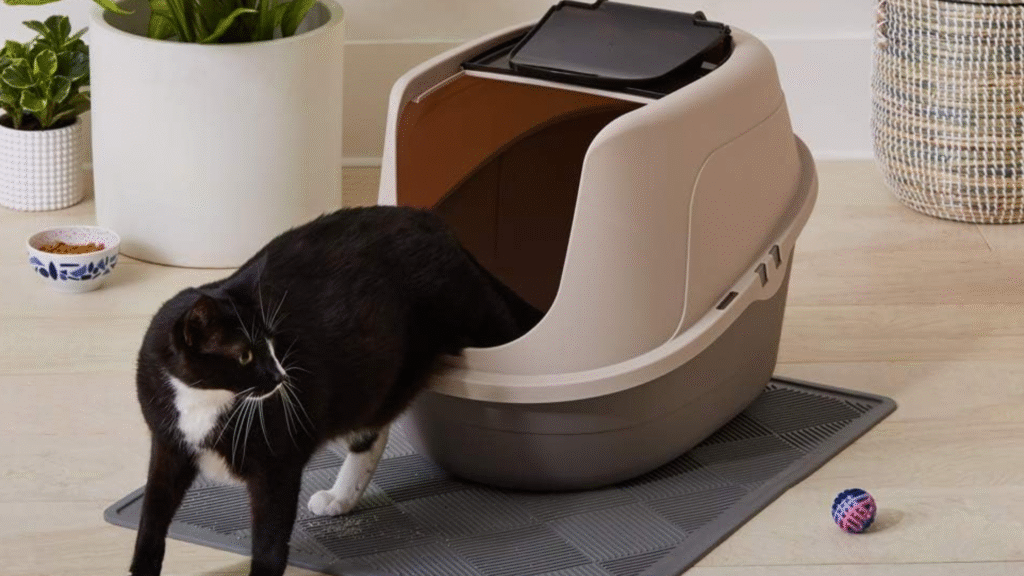
A lot of cats do not like covered litter boxes, as they trap the odor and also make it look like a closed space, where escape is limited. Nevertheless, there are timid cats that even enjoy being in a covered box alone.
What to try:
- Take the lid away but your cat does not like a covered box.
- Give him/her some covered and uncovered to find which one your cat likes.
- When covered boxes are used then scoop more often to avoid accumulation of odor.
Box Liner Issues
Although liners simplify the cleaning by humans, most cats do not like them. Their claws can get entangled in the plastic when they attempt to excavate and hide in the plastic, resulting in an unpleasant texture.
The fix:
- Skip liners entirely
- In case you need them, use alternate brands to seek less unpleasant textures.
- Tightly fits secure liners to ensure that they do not pack when being used.
Stress and Anxiety
The litter box avoidance can be caused by environmental stressors added to an otherwise ideal situation. Cats are habitual animals and anything that disrupts their routine will lead to great anxiety.
Common stress triggers:
- New pet or baby in the home
- Making changes or relocating to a new house.
- Alteration in the day-to-day routine or schedule.
- Noise or other disturbance of construction.
- Often used or house guests.
Territorial Marking (Spraying)
Spraying does not involve normal urination. When cats stand with their tail shaking they do so to mark the territory usually in a vertical surface such as a wall or a piece of furniture.
Key facts:
- The most prevalent in uncastrated males.
- Stress related in neutered cats, also.
- Spaying/neutering eliminates spraying in most of the cases by 90%.
- In severe cases, May needs anti-anxiety medication.
Arthritis in Senior Cats
Arthritic cats might experience pain to climb high-sided litter boxes that are traditional. They are not hard on you, they are really uncomfortable.
Solutions for senior cats:
- Change boxes to low entry boxes with sides that are not more than 3-4 inches.
- Make a U-shaped opening into the side of the already-existing boxes.
- Put the boxes at the same level where cat spends the majority of his time.
- Consider non clumping litter as this is less harsh on the paws of the arthritics.
- Previous Negative Experience
Previous Negative Experience
In case your cat has gotten scared when using the litter box, had painful urination caused by UTI, or had been attacked by another animal, then he/she will develop a negative association with that particular box or area.
How to help:
- Change of location of the box to a new place.
- A change of box to another style.
- Form positive responses towards rewards and compliments.
- Make sure that the space is safe and secure.
Preference for Different Surface
Certain cats learn to develop attachment to surfaces according to their initial experiences. They might have a liking to soft surfaces such as carpet floor and bed, or cool smooth surfaces such as tile floor and bathtubs.
What to do:
- Associate litter texture with the one they like best (soft/fluffy/ fine/smooth)
- Shredded paper can be used with cats that like the soft surfaces.
- Cats that prefer smooth surfaces use very fine litter of clay.
- Get a litter box and place it on their favourite animation area in the meantime
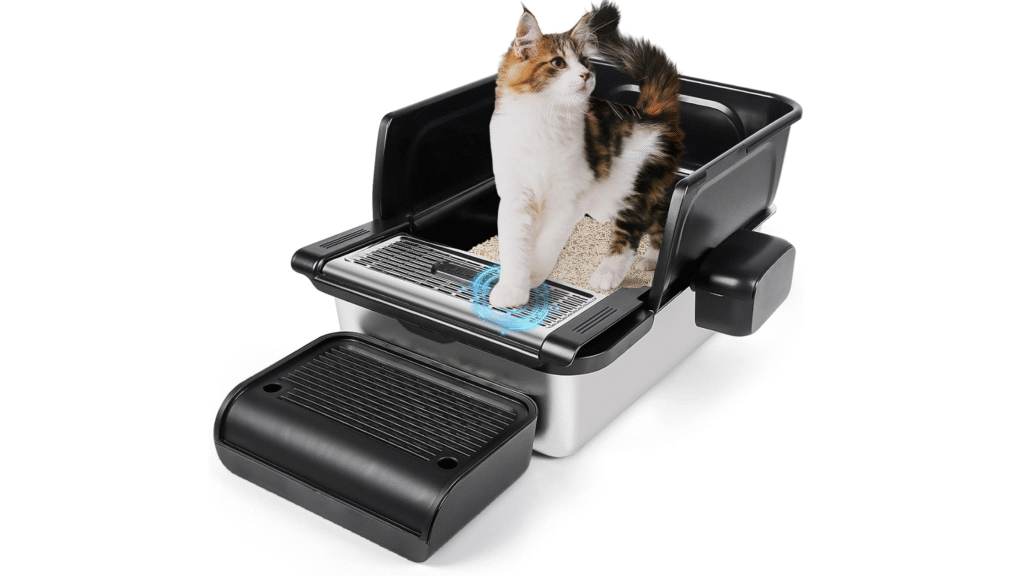
Step-by-Step Troubleshooting Guide
Use this method that will help you locate the problem and rectify her litter box. IBM Company By following these steps, you will achieve optimum outcomes.
Vet Visit (ALWAYS FIRST)
Make an appointment with a span of two months before proceeding to change the environment. Your vet will:
- Urinalysis should be done to rule out the presence of infection or crystal.
- Perform physical examination to determine pain/discomfort.
- Test the blood in case of senior cat(7+ years).
- Eliminate diabetes, kidney disease, and others.
Deep Clean All Accidents
Apply enzymatic cleaners exclusively- the cleaners dissolve the proteins in urine that result in the stinky smells. Cleaners who come regularly only cover the odor.
- Don’t use ammonia based cleaners (they are confidential to cats as the smell of urine).
- Use a black light flashlight to locate all the spots that are affected.
- Fill the space to the walls–wipe away sooner not later.
- Allow enzymatic cleaner to rest 1015 minutes then blot.
Add More Boxes
As soon as possible, after that put at least one more litter box:
- Install boxes in problem areas where accidents take place.
- Place spread boxes in the various rooms.
- Experiment with a number of styles (covered, uncovered, sizes)
Improve Current Boxes
Twice per day (in the morning and evening)
- Clean litter all up at least once per week.
- Clean washboxes using light soap once in a month.
- Change to unscented litter in case using scented litter.
Experiment with Litter
There are three types of litter: place them in three boxes and determine which cat breed likes the most:
- Box 1: Clumping clay (unscented)
- Box 2: Natural/plant-based(corn, wheat or pine)
- Box 3: Crystal or silica gel
Popular winners: Dr. Elseys Precious Cat, Worlds best cat litter and Arm and Hammer Clump and seal.
Relocate Boxes
Keep the move boxes in the quiet, low-traffic places that satisfy the following criteria:
- Without hassles and barriers.
- Bowls far (far) out (not less than 6 feet) food and water.
- Not near noisy appliances
- One box on each floor at minimum in the case of multi-level homes.
Reduce Stress
- Apply Feliway diffusers (artificial soothing pheromones).
- Hold regular day to day routine.
- Offer concealment areas and the vertical areas.
- Different food, water, boxes of several cats.
- Enhance play time through interactive means to curb anxiety.
Block Access to Favorite Spots
Reduce the attractiveness of problem areas:
- Wrap with aluminum foil in temporary measure (cats have problems with the texture)
- Doors to accident prone rooms closed.
- Install carpet flooring runners (nubby surface down).
- Furniture should be moved to avoid corners.
Positive Reinforcement
- Reward the litter box use with treats.
- Punishment should not be given when things go wrong- this makes anxiety a lot higher.
- Develop favorable connotations of the area of the box.
- Train using clicker in case your cat is responsive to it.
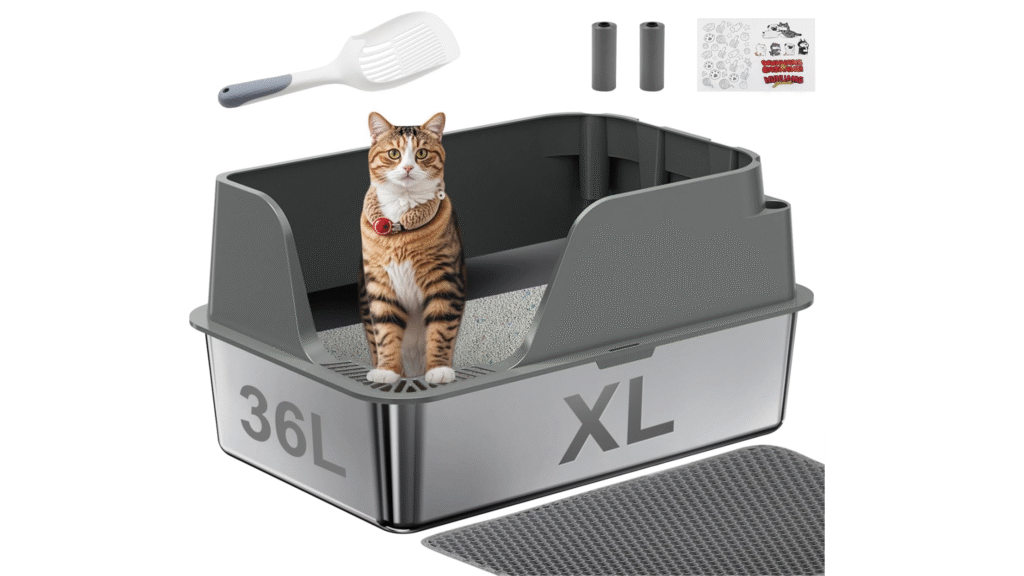
Cleaning Accident Spots Properly
Cleaning is of paramount importance. In case your cat has the smell of urine in a place, they will keep going back to the same place. This is the scientifically-proven cleaning process.
Supplies You’ll Need:
- Enzymatic cleaner (Nature s miracle, rocco and Roxie or similar)
- Black light flashlight (urine stains disappear when they are exposed in the air)
- White Towels or absorbers (white and clean).
- Gloves (not mandatory, however, suggested )
Step-by-Step Cleaning Process:
- Add Blot Fresh Urine Immediately: Blot palpably Base up using paper towels. Press firmly but don’t rub.
- Use Enzymatic Cleaner: Rub it in all over- surface washing is not effective. The enzymes must be able to access the entire urine to degrade it.
- Let It Sit: Use the time of 10-15 minutes being used to enzyme work. Don’t rush this step.
- Blot Dry: Dry up the excess moisture using clean towels. Press hard to squeeze carpet padding in case there is any.
- Restart as Desired: In case of an old or acute stain, 2-3 applications are required.
- Air out: Do not allow back to your territory a cat which is not thoroughly dry.
What NOT to Use:
- Ammonia cleaners: Ammonia is the odor of urine to cats, which stimulates recurrence accidents.
- Bleach: Resilient in the case of the blending of the urine, and is ineffective in erasing of the smell.
- Steam cleaners: urine may be permanently set in store or may be set to a permanent odor.
- Vinegar only: Does not dissolve the uric acid crystals (although it can be applied to it after enzyme cleaning is tried)
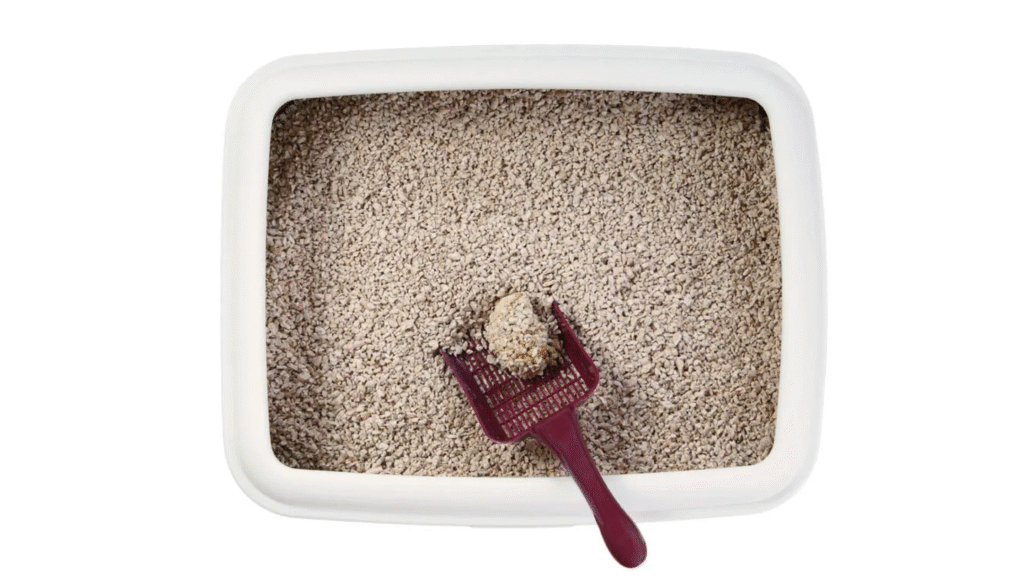
Best Litter Box Setups
Depending on the age, size and the situation of the household, the best litter box arrangement depends on your cat. The following are optimized settings in various scenarios.
Single Cat Household:
- 2 medium to large boxes at minimum.
- Position in disparate ways (not adjacent to one another)
- Clumping litter, don’t add fragrance.
- One, covered, and one, bare to choice.
Multiple Cats (2-3 Cats):
- 3-4 boxes dispersed around house.
- Distributed on various rooms/floors.
- Combination of covered and uncovered styles.
- Multiple cats Multiple cat sizes (extra-large, XL).
- Scoop twice daily minimum
Senior Cats (7+ Years):
- The low entry boxes that have 3-4 inch sides.
- Big in size (22 and above inches) to turn easily.
- Litters that are non-clumping (light on arthritic paws)
- Keep in the same level with the main home of the cat.
- Use of night lights in the event of decreased vision.
Product Recommendations
According to the positive reviews of thousands of users and recommendations of veterinarians, these are the best litter boxes and litter that effectively address the majority of litter box issues.
Top 5 Litter Boxes:
- Nature Miracle High-Sided Litter Box: Tall literature discourages scatter, it is large in size and can be easily cleaned.
- Modkat Top-Entry Litter Box: Kitchen sinks, ideal cat diggers.
- Petmate Giant Litter Pan: Extra-large size is suitable to large cats or more than one cat.
- IRIS Open Top Cat Litter Box: Low priced, versatile, high side with low entry.
- BetterBox by PetFusion: The low entry design that is suitable to seniors and kittens.
Top 3 Cat Litters:
- Precious Cat Ultra: Unscented, low-dust, and excellent clumping, popular with cats: This is a fragment-free, non-perfumed, low-dust, and excellent-clumping formula available in no fewer than three different sizes, all offered by Dr. Elsey.
- Worlds best cat litter: Natural corn based, flushable, odor naturally controlled.
- Arm 8 Hammer Clump and Seal: Economic, does not smell bad, easy to get.
When to See a Behaviorist
The Litter box issues can be solved through most of the strategies in this guide. Nevertheless, professional assistance through an established cat behaviorist or a veterinary behaviorist must be taken in certain cases.
Seek Professional Help If:
- The problem will not have disappeared within 4-6 weeks of all changes suggested.
- Several triggering factors complicate the separating of the cause.
- Hardдуrock anxiety behavioral epigenesis is accompanied by severe anxiety behaviors (hiding, aggression, over-grooming).
- Cat fights are making litter boxes inaccessible.
- Spraying or marking persists even though relaxed and changed with environmental conditions.
An expert behaviorist will be able to design an individualized treatment regimen that could involve environmental adjustments, behavioral modification regimens, and in few instances, anti-anxiety drugging by your veterinarian.
Final Thoughts
The litter box issues are annoying and yet they can be resolved with much patience and a methodical process of troubleshooting. Keep in mind that your cat is not out to punish you or make life hard, there is always a reason that you find the behavior to be different.
Begin with the consultation of a veterinary who is to dismiss the medical factor, then proceed step-by-step on the environmental conditions. Within 2-4 weeks most cats will react positively with the treatment of cleanliness, you can add more boxes, better location set up and lessen the stress. It is vital to remain constant when it comes to maintenance (scooping everyday, changing litter on a weekly basis).
In case the issues remain even after you have done all you can, you should not be afraid to refer to a qualified cat behaviorist. Through the proper attitude, you and your cat can overcome litter box problems and go on to live again in a peaceful and accident-free home.
Frequently Asked Questions
References and Resources
This article is based on peer-reviewed veterinary research and authoritative sources in feline medicine and behavior:
3. Salonen, M., Sulkama, S., Mikkola, S., et al. (2023). “Feline litter box issues associate with cat personality, breed, and age at sterilization.” Journal of the American Veterinary Medical Association, 261(5), 671-678. Peer-reviewed research on factors contributing to litter box problems.
Medical Disclaimer
This article is for informational purposes only and does not replace professional veterinary advice, diagnosis, or treatment. Always consult with a licensed veterinarian regarding your cat’s health concerns. If your cat shows signs of urinary distress, especially male cats, seek immediate emergency veterinary care as urinary blockages can be life-threatening.