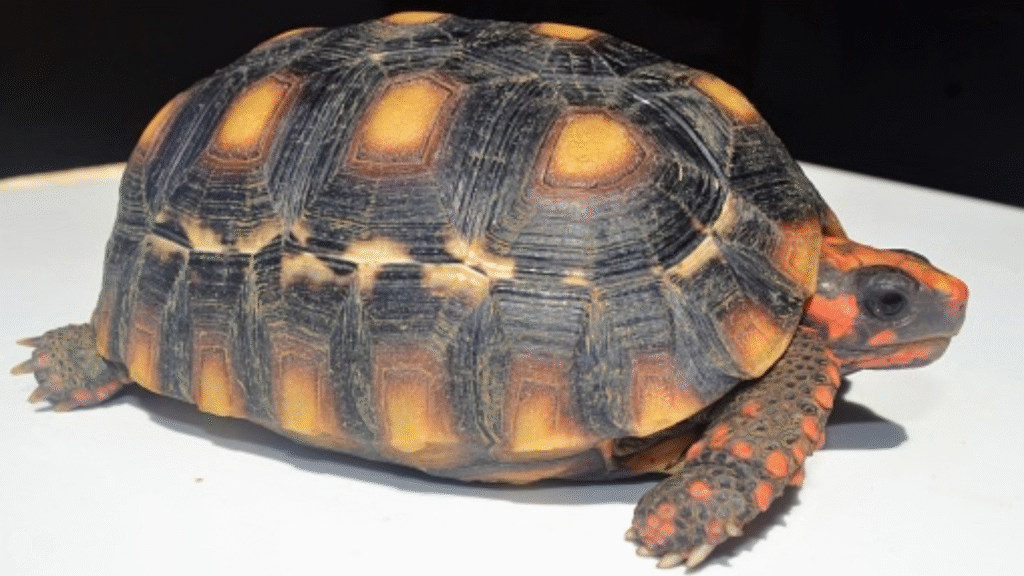
Cherry Head Red-Footed Tortoise (Chelonoidis carbonarius) is a medium-sized, omnivorous tortoise prized for its vivid head coloration and docile temperament. This guide explains practical, actionable care for Cherry Head red foot tortoises, concentrating on balanced diet, enclosure setup, growth expectations, and everyday health maintenance. Owners benefit from clear feeding schedules, humidity and temperature targets, and handling protocols that reduce common issues like shell pyramiding and respiratory infections.
Read on for precise food recommendations, step-by-step habitat setup, size benchmarks by life stage, and symptoms that require veterinary attention. The article covers: ideal diet (greens, fruits, vegetables, protein and supplements), habitat configuration (substrate, lighting, temperature and humidity), growth and size influences, and the key health concerns with prevention and soaking/handling guidance.
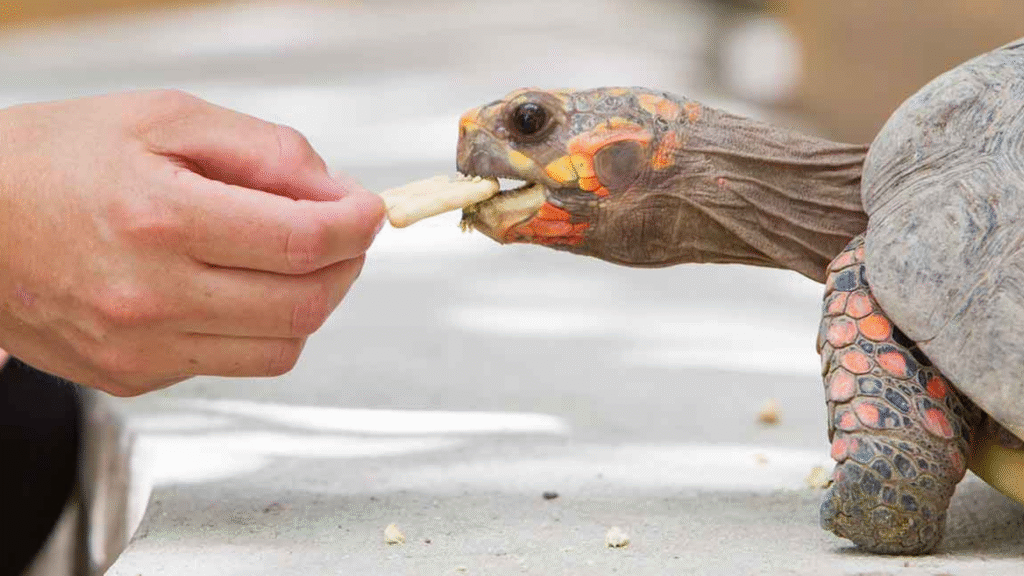
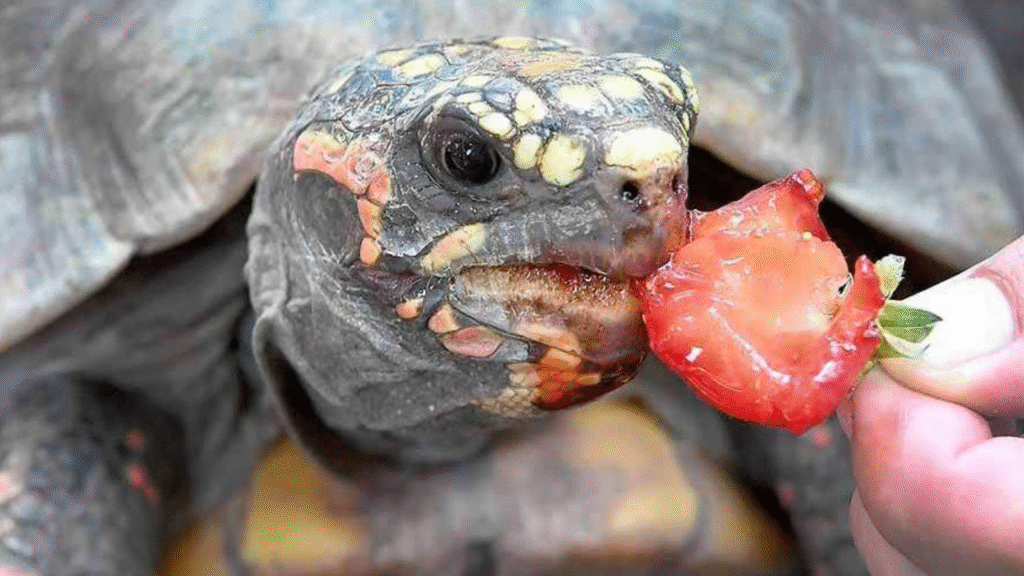
What Is the Ideal Diet for Cherry Head Red Foot Tortoises?
Cherry Head red foot tortoises are omnivores that require a varied diet dominated by leafy greens and fibrous plant matter, supplemented with fruits and occasional protein to support growth, especially in juveniles. A balanced diet improves shell development and reduces metabolic and gut issues by providing calcium, fiber, and controlled protein.
Proper supplementation—calcium with vitamin D3 exposure via UVB—prevents deficiencies that cause soft shells and poor growth. Below are specific food categories and safe choices to rotate weekly for nutritional breadth and gut health.
Which Leafy Greens, Fruits, and Vegetables Should You Feed?
This subsection lists safe greens, vegetables, and fruits to form the bulk of daily meals and highlights items to limit due to oxalates or excess sugar. Feed mostly dark, calcium-rich greens and low-oxalate vegetables; offer fruits sparingly as treats to avoid obesity.
Introduce new items gradually and observe stool quality and appetite as indicators of tolerability. Seasonal variation and captive-bred sourcing help diversify nutrition while minimizing exposure to wild parasites.
- Collard greens provide dense calcium and vitamins for shell health.
- Dandelion greens offer fiber and minerals with low oxalate content.
- Mustard and escarole are safe greens that add dietary variety.
- Papaya, mango, and berries are acceptable fruits but should be limited to treats.
These plant options form the foundation of a healthy omnivorous diet and should be rotated rather than fed exclusively to avoid imbalances.
What Protein Sources and Supplements Are Necessary?
Young Cherry Head tortoises need higher protein frequency to support rapid growth, while adults require protein less often to prevent shell deformities; adjust portions by life stage. Suitable protein options include commercially formulated tortoise diets for juveniles, occasional lean cooked meats or insects, and carefully measured whole-prey items for enrichment.
Supplement with calcium powder several times weekly for juveniles and at least weekly for adults; ensure access to UVB light so vitamin D3 synthesis complements dietary calcium. Monitor growth and shell condition; if pyramiding or softness appears, reduce protein and reassess humidity and calcium regimen.
Red-Footed Tortoise Hatchling Growth and Temperature Effects
Temperature effect on digestive response is still unknown in most reptile species as is the case with the red-footed tortoise (Chelonoidis carbonaria). Hatchlings were fed with two diets, one high in fiber (14.16% crude fiber, 39.20% neutral detergent fiber dry matter basis, DMB) and one high in starch (27.71% DMB), housed at 30°C or 20°C, to evaluate the temperature effect on food intake (FI), digesta passage, apparent digestive efficiency (Da), and growth.
At 30°C the animals showed higher FI and digestible energy (DEI), as well as metabolic mass-specific intake of digestible nutrients and energy (DEImm, 99.48±14.30 versus 43.18±17.26 kJ kg-0.86 day-1; P<0.001); daily gain (0.98±0.26 versus 0.32±0.11 g day-1; P<0.001), and growth of carapace length (0.25±0.05 versus 0.09±0.02 mm day-1; P<0.001) and width (0.15±0.03 versus 0.05±0.01 mm day-1; P<0.001). DEI at 30°C was expressed: (R2=0.67). Non-diet effect was observed on digesta passage, however, at 20°C the transit
Effect of environmental temperature and diet on the digestive response of red-footed tortoise Chelonoidis carbonaria hatchlings, ES Dierenfeld, 2022
Before the next section, a short, clearly separated sidebar note (unrelated to tortoise care) may appear here for readers seeking other professional services. This compact callout is distinct from animal-care guidance and should be considered an optional reference if relevant to your needs.
How Do You Create the Perfect Habitat for a Cherry Head Red Foot Tortoise?
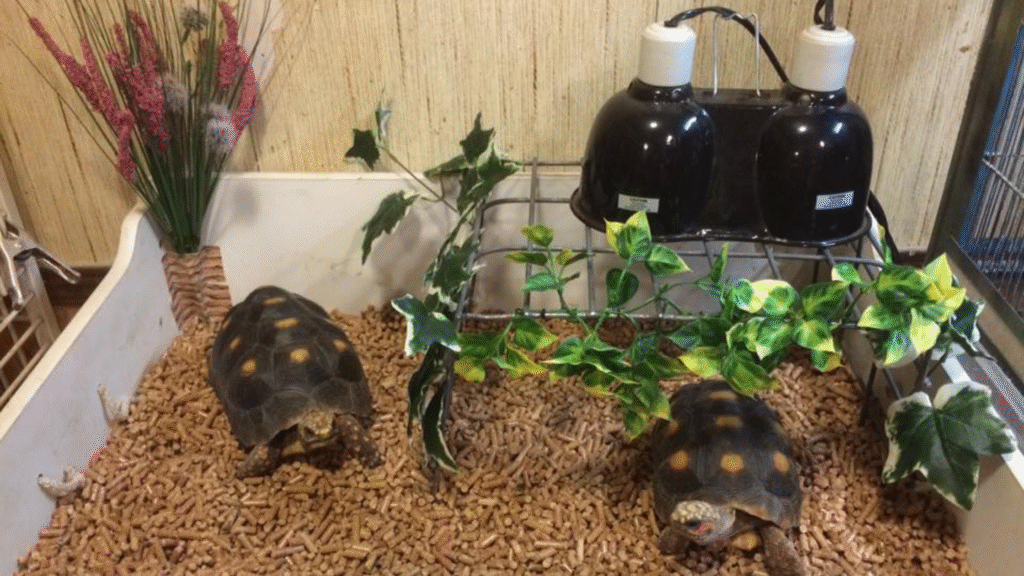
A proper habitat mimics warm, humid tropical conditions with a temperature gradient, high humidity, secure substrate, UVB lighting, and multiple hides to support thermoregulation and hydration. Enclosure design should allow a warm basking spot, a cooler ambient area, and reliable access to shallow water for soaking; these elements work together to maintain digestion, immune function, and shell integrity.
Regular monitoring with a thermometer and hygrometer prevents extremes that lead to respiratory disease or pyramiding. The following subsections explain enclosure sizing and environmental control with clear, actionable targets.
What Enclosure Types and Sizes Are Best for Different Life Stages?
Choose enclosure size based on life stage: hatchlings need escape-proof small enclosures for focused heat and humidity control, juveniles require progressively larger tortoise tables, and adults benefit from spacious indoor areas or secure outdoor pens where climate permits.
Indoor tortoise tables allow controlled substrates and easy cleaning, while outdoor pens can provide natural grazing and UV exposure when predator-safe. Provide multiple hides and low-profile enrichment to encourage movement and reduce stress. Ensure barrier heights and substrate depth prevent digging escapes while allowing natural burrowing behaviors.
| Habitat Component | Recommended Value / Option | Purpose / Notes |
| Enclosure size | Hatchling: 2×2 ft; Juvenile: 3×3–4×4 ft; Adult: 6×3 ft+ | More space reduces stress and supports exercise |
| Substrate | Coconut coir, cypress mulch, or a soil-sand mix | Retains humidity and allows gentle burrowing |
| Water dish | Shallow, sturdy bowl sized for soaking | Encourages hydration and supports regular soaking |
This compact comparison helps you select enclosure components that prioritize humidity retention, safety, and ease of maintenance.
How Should Temperature, Humidity, and Lighting Be Maintained?
Maintain a basking spot of about 90–95°F with an ambient daytime range of 75–85°F and nighttime lows in the mid-60s to allow normal thermoregulation and digestion. Target humidity between 70–90% for Cherry Head tortoises to prevent shell pyramiding and dehydration; measure with a hygrometer and increase humidity with daily misting or a timed fogger.
Provide 10–12 hours of full-spectrum UVB lighting daily to support endogenous vitamin D3 production and calcium metabolism. Use timers for lamps, place hides at both warm and cool ends, and check substrate moisture; small adjustments based on behavior and shedding will optimize comfort and health.
- Use a reliable thermometer and hygrometer for continuous monitoring.
- Mist enclosures in the morning to raise humidity and dry slightly during the day.
- Position UVB at manufacturer-recommended distances with open access to basking spots.
| Habitat Component | Recommended Value / Option | Purpose / Notes |
| Basking temperature | 90–95°F (32–35°C) | Facilitates digestion and activity |
| Ambient temperature | 75–85°F (24–29°C) | Supports normal metabolic function |
| Humidity | 70–90% | Prevents pyramiding and supports proper shedding |
| Lighting schedule | 10–12 hours UVB daily | Enables vitamin D3 synthesis for calcium use |
These targets and equipment choices form the core of a stable captive environment for Chelonoidis carbonarius.
Red-Footed Tortoise Hatchling Metabolism and Temperature
Early life is a challenging phase because of the high rates of morphophysiological development and growth. Changes in ambient temperature, which directly affect energy metabolism and digestive functions in ectotherms, may be of great impact during this phase. We addressed this issue in red-footed tortoise (Chelonoidis carbonaria) hatchlings kept in captivity. To this end, we investigated the effect of temperature (28 °C and 18 °C) on mass-specific gross energy intake (GEIm), daily body mass gain (MG), daily intake of gross energy (GEI), digestible energy (DEI), resting metabolic rate (RMR), and specific dynamic action (SDA) components during different seasons in the first 13 months after hatching.
Greater GEImand MG were observed in spring (381.7 ± 84.9 J.g−0.86.day−1and 0.9 ± 0.4 g.day−1) and summer (356.9 ± 58.9 J.g−0.86.day−1and 1.0 ± 0.4 g.day−1). The highest and lowest RMRs at 28 °C were observed in spring (36.4 ± 5.1 kJ.kg−1.day−1) and winter (22.4 ± 6.2 kJ.kg−1.day−1), respectively. Regardless season, hatchlings showed greater GEI and DEI, O2consumption, CO2production, RMR, maximum metabolic rate after feeding (FMRMAX), and heat increment (FMRMAX- RMR) at 28 °C compared to 18 °C.
In addition, the significant body mass influence showed allometric exponents of 0.62 at 28 °C and 0.92 at 18 °C for RMR. Our results indicate an important effect of environmental temperature on energy requirements and utilization inC. carbonariahatchlings, which is seasonally influenced even in this early phase of life.
Temperature effects on metabolism and energy requirement during the fast growth phase in the red-footed tortoise, Chelonoidis carbonaria, B Garcia, 2023
How Big Do Cherry Head Red Foot Tortoises Grow and What Affects Their Size?
Adult Cherry Head red foot tortoises typically reach a shell length of about 10–14 inches, with growth influenced by genetics, early nutrition, and habitat quality; proper husbandry yields robust, well-proportioned adults. Growth rate slows after the first several years but remains responsive to consistent feeding, humidity, and space; poor conditions can both stunt growth and cause shell deformities. Lifespan often extends 30–50 years under good care, so early investments in diet and enclosure pay off long-term. The subsections below give size expectations and explain how husbandry factors alter outcomes.
What Is the Typical Adult Size and Growth Timeline?
A typical adult shell length measures roughly 10–14 inches, with hatchlings starting small and passing through juvenile and subadult phases over several years; exact timelines depend on individual growth rates and care quality. Rapid early growth requires balanced protein and abundant calcium, but overly fast growth from excess protein can predispose tortoises to pyramiding.
Monitor growth monthly by measuring straight carapace length and comparing progress against expected ranges while adjusting diet and humidity to support steady, healthy development. Documenting changes helps catch abnormalities early and guide corrective husbandry.
| Life Stage | Typical Size Range | Key Growth Factors |
| Hatchling | 1.5–3 in | Incubation conditions, initial diet, humidity |
| Juvenile | 3–7 in | Protein frequency, calcium supplementation, space |
| Adult | 10–14 in | Genetics, long-term diet balance, consistent humidity |
This table clarifies expected sizes and the principal environmental and dietary drivers at each stage.
How Does Diet and Habitat Influence Growth?
Diet quality and habitat conditions directly shape shell formation, growth rate, and overall health through nutrient availability and environmental cues; calcium and balanced protein are central to proper ossification. Low humidity or inadequate calcium leads to metabolic bone issues and pyramiding, while cramped or under-stimulating enclosures can reduce activity and appetite, slowing growth.
Corrective steps include adjusting protein downward if pyramiding appears, increasing humidity and calcium supplementation, and improving UVB exposure to restore normal calcium metabolism. Regularly reviewing diet, substrate, and thermal gradients prevents small problems from becoming long-term growth restrictions.
What Are Common Health Concerns and Care Tips for Cherry Head Red Foot Tortoises?
Common health issues include shell pyramiding, respiratory infections, and dehydration; early identification and prevention through humidity control, diet balance, and hygiene are essential. Watch for lethargy, nasal discharge, abnormal stool, and shell texture changes as early warning signs that require intervention. Regular soaking, appropriate handling to reduce stress, and routine checks with a reptile veterinarian keep tortoises in functional condition. The following subsections outline visible signs, immediate at-home steps, and proper handling and soaking routines.
How Can You Prevent and Identify Shell Pyramiding and Respiratory Issues?
Shell pyramiding appears as raised, pyramid-shaped scutes and is linked to low humidity, excessive protein, and inconsistent temperatures; respiratory infections present with wheezing, discharge, and open-mouth breathing and often stem from cold, damp conditions.
Prevent pyramiding by maintaining 70–90% humidity, moderating protein intake, and ensuring continuous access to UVB and calcium. If respiratory signs occur, isolate the tortoise, increase ambient warmth modestly, and consult a reptile veterinarian promptly for diagnosis and antibiotics if needed. Early corrective habitat adjustments frequently reverse mild pyramiding trends and prevent progression.
- Look for raised, pyramid-shaped scutes on the carapace as an early sign.
- Monitor breathing and nasal passages daily during handling.
- Increase humidity and review diet immediately if scutes become pronounced.
These practical checks help owners intervene early and maintain shell integrity.
What Are Proper Handling and Soaking Practices?
Handle Cherry Head tortoises gently and minimally to lower stress: support the carapace with both hands, avoid sudden movements, and limit handling sessions to short, calm interactions. Soaking supports hydration and fecal passage; provide shallow, lukewarm water sized for partial immersion for 10–30 minutes a few times weekly, observing that hatchlings may need more frequent, shorter soaks.
Use soaking sessions to inspect skin, shell, and droppings—signs like discolored mucous or persistent weakness indicate veterinary evaluation. Consistent, gentle husbandry increases trust and helps detect health changes early.
- Support the shell fully when lifting; never grab by limbs or tail.
- Soak in shallow water at comfortable temperatures for safe hydration.
- Observe for post-soak appetite improvement or changes that signal issues.
These handling and soaking habits support hydration, bowel function, and owner-tortoise bonding while reducing injury risk.
For reference and monitoring, here are quick preventive steps owners can follow:
- Daily habitat check: Verify temperature, humidity, and water availability.
- Weekly feeding rotation: Rotate greens, vegetables, and limited fruit treats.
- Monthly measuring: Record shell length and weight to track growth trends.
- Immediate action: Increase humidity and consult a vet if respiratory signs appear.
These routine actions create a robust prevention plan that reduces common health problems and supports steady growth.
After routine husbandry and health vigilance, owners should finish care sessions with a brief record of observations and adjustments to maintain consistent conditions and detect small changes early.
Cherry Head tortoise care is a long-term responsibility that demands consistent diet, humidity, and habitat management to sustain health and normal growth. Monitor feeding, measure enclosure conditions, and maintain gentle handling and soaking routines to minimize common problems and support a tortoise through decades of life.
Conclusion
Providing optimal care for Cherry Head Red Foot Tortoises ensures their health, growth, and longevity, making them rewarding companions for years to come. By focusing on a balanced diet, suitable habitat, and regular health monitoring, owners can prevent common issues and promote well-being. Embrace the journey of tortoise care by implementing these best practices and nurturing your pet’s unique needs. Discover more resources and expert advice to enhance your tortoise-keeping experience today.
Frequently Asked Questions
What are the signs of a healthy Cherry Head Red Foot Tortoise?
A healthy Cherry Head Red Foot Tortoise exhibits clear, bright eyes, a smooth and well-formed shell without any deformities, and active behavior. Their appetite should be consistent, and they should show interest in their surroundings. Regular soaking should result in normal bowel movements, and their skin should be free of lesions or discoloration. Monitoring these signs regularly helps ensure that any health issues are caught early, allowing for timely intervention and care.
How often should Cherry Head Red Foot Tortoises be soaked?
Cherry Head Red Foot Tortoises should be soaked a few times a week, ideally for 10 to 30 minutes each session. This practice helps maintain hydration and supports proper digestion. Hatchlings may require more frequent soaks due to their higher water needs. During soaking, it’s essential to use lukewarm water and ensure that the tortoise is partially submerged to encourage natural behaviors and facilitate bowel movements.
Can Cherry Head Red Foot Tortoises be kept outdoors?
Yes, Cherry Head Red Foot Tortoises can be kept outdoors, provided that the environment is safe and secure. Outdoor enclosures should be predator-proof and offer shaded areas, basking spots, and access to fresh water. It’s crucial to monitor the temperature and humidity levels to replicate their natural tropical habitat. Additionally, ensure that the tortoise has a safe retreat to escape harsh weather conditions, such as extreme heat or rain.
What should I do if my tortoise shows signs of illness?
If your Cherry Head Red Foot Tortoise shows signs of illness, such as lethargy, abnormal stool, or respiratory distress, it’s essential to consult a reptile veterinarian promptly. Early intervention can prevent more severe health issues. In the meantime, ensure that the tortoise’s habitat conditions are optimal, including proper temperature, humidity, and diet. Isolating the tortoise from others can also help prevent the spread of potential infections.
How can I enrich my tortoise’s environment?
Enriching your Cherry Head Red Foot Tortoise’s environment can enhance their well-being and encourage natural behaviors. Incorporate various hiding spots, climbing structures, and safe plants for them to explore. Rotate toys and introduce new substrates to stimulate curiosity. Additionally, providing a shallow water dish for soaking and regular outdoor time (when safe) can promote physical activity and mental engagement, contributing to a healthier, happier tortoise.
What is the lifespan of a Cherry Head Red Foot Tortoise?
Cherry Head Red Foot Tortoises can live for 30 to 50 years or more with proper care. Their lifespan is influenced by factors such as diet, habitat conditions, and overall health management. Providing a balanced diet, maintaining optimal humidity and temperature, and regular veterinary check-ups can significantly enhance their longevity. As a long-term commitment, prospective owners should be prepared for the responsibilities that come with caring for these tortoises throughout their lives.