You can use a dog weight chart to compare your dog’s weight against common ranges for their breed. For example, Labradors usually weigh 55–80 lbs, Golden Retrievers 55–75 lbs, and Beagles 20–30 lbs. A healthy dog weight means you can feel your dog’s ribs with light pressure, see a waist from above, and notice a slight tuck behind the ribs from the side.
- Why Dog Weight Matters
- How to Tell if Your Dog Is Overweight
- Complete Dog Weight Chart by Breed
- Small Breeds (Under 25 lbs)
- Medium Breeds (25–50 lbs)
- Large Breeds (50–100 lbs)
- Giant Breeds (100+ lbs)
- Puppy Weight Chart (Growth Stages)
- Causes of Dog Obesity
- How to Help Your Dog Lose Weight
- Best Dog Food for Weight Loss (Neutral Overview)
- Exercise Recommendations by Size
- Conclusion
- Frequently Asked Questions
- Resources
Why Dog Weight Matters
A healthy dog weight is one of the biggest factors in lifespan. Additional fat puts more pressure on the joints, organs, and the heart. Studies show that dog obesity can shorten life by two or more years.
Excess weight intensifies arthritis, hip dysplasia and other joint diseases. Each of the steps is more difficult for an overweight dog. That pain gradually slows down movement and then triggers a vicious cycle of decreased movement and increased weight gain.
Heavy dogs also have increased chances of developing diabetes, heart diseases, and breathing difficulties. A significant number of them require long-term therapy. Maintaining the weight is a promise to a comfortable life, more energy as well as a happier day to life.
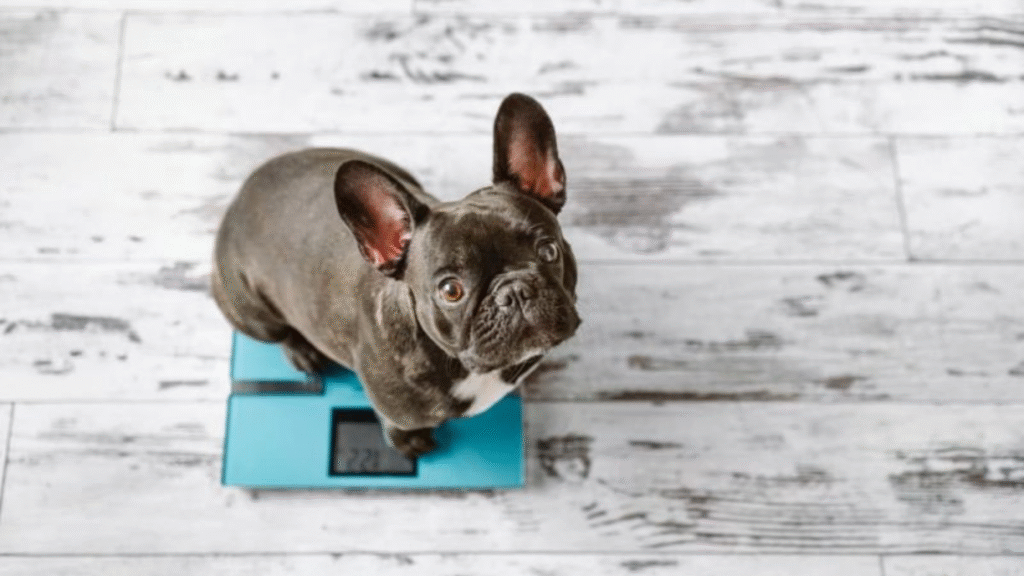
Understanding to know whether your dog is overweight. Scales are fine, but your hands and eyes are equally important. Before you study any dog weight chart, start with a simple body check at home.
How to Tell if Your Dog Is Overweight
Scales are fine, but your hands and eyes are equally important. Before you study any dog weight chart, start with a simple body check at home.
Visual Check
Look right down, standing over your dog. The waist behind the ribs should be seen rather than a round barrel shape. On the side of the belly, there must be a tuck, not a hanging line. This is easier to observe in short haired breeds, whereas form can be concealed in long coats. When the body appears wide and flatter than when you look at it at a height with no waistline, you are likely to have an overweight dog.
Body Condition Score (BCS 1–9)
Vets use a nine-point Body Condition Score to judge body fat.
- 1–3: Too thin, ribs and spine clearly visible
- 4–5: Ideal, ribs easy to feel and slight waist present
- 6–7: Overweight, ribs hard to feel and waist reduced
- 8–9: Obese, heavy fat deposits and no waist
A BCS of 4–5 is the goal for a healthy dog weight. Anything above that range calls for closer monitoring and a plan.
Touch Test
Hands flat on both sides of the ribcage. Push until you can feel the ribs. You must not dig into them, but they must not protrude. Should you have to scrunch hard to locate ribs, then your dog is probably carrying an extra lipid. In case your ribs and spine can be seen, then chances are that your dog is skinny. The test is a fast one that comes in between vet visits.
Complete Dog Weight Chart by Breed
This dog weight chart gives typical adult weight ranges by breed and sex. The ranges are slightly wider than the ones of individual dogs, and a dog may still be healthy, and therefore, this should always be complemented by a body condition check.
Small Breeds (Under 25 lbs)
| Breed | Male Weight | Female Weight |
| Chihuahua | 3–6 lbs | 2–5 lbs |
| Yorkshire Terrier | 5–7 lbs | 4–6 lbs |
| Pomeranian | 4–7 lbs | 3–6 lbs |
| Shih Tzu | 9–16 lbs | 9–16 lbs |
| Maltese | 6–9 lbs | 4–7 lbs |
| Dachshund | 16–32 lbs | 16–32 lbs |
| French Bulldog | 20–28 lbs | 18–26 lbs |
| Boston Terrier | 15–25 lbs | 10–20 lbs |
| Pug | 14–18 lbs | 14–18 lbs |
| Cavalier King Charles Spaniel | 13–18 lbs | 13–18 lbs |
Medium Breeds (25–50 lbs)
| Breed | Male Weight | Female Weight |
| Beagle | 22–30 lbs | 20–28 lbs |
| Cocker Spaniel | 25–30 lbs | 20–25 lbs |
| Bulldog | 50–55 lbs | 40–50 lbs |
| Border Collie | 30–45 lbs | 27–42 lbs |
| Australian Shepherd | 50–65 lbs | 40–55 lbs |
| Corgi | 27–30 lbs | 25–28 lbs |
| Shetland Sheepdog | 20–25 lbs | 15–20 lbs |
Large Breeds (50–100 lbs)
| Breed | Male Weight | Female Weight |
| Labrador Retriever | 65–80 lbs | 55–70 lbs |
| Golden Retriever | 65–75 lbs | 55–65 lbs |
| German Shepherd | 65–90 lbs | 50–70 lbs |
| Boxer | 65–80 lbs | 50–65 lbs |
| Siberian Husky | 45–60 lbs | 35–50 lbs |
| Doberman Pinscher | 75–100 lbs | 60–90 lbs |
Giant Breeds (100+ lbs)
| Breed | Male Weight | Female Weight |
| Great Dane | 140–175 lbs | 110–140 lbs |
| Mastiff | 160–230 lbs | 120–170 lbs |
| Saint Bernard | 140–180 lbs | 120–140 lbs |
| Rottweiler | 95–135 lbs | 80–100 lbs |
| Newfoundland | 130–150 lbs | 100–120 lbs |
Use this dog weight by breed chart as a guide, not an absolute rule. Mixed-breed dogs should be judged more by their build and BCS than by a single number.
Puppy Weight Chart (Growth Stages)
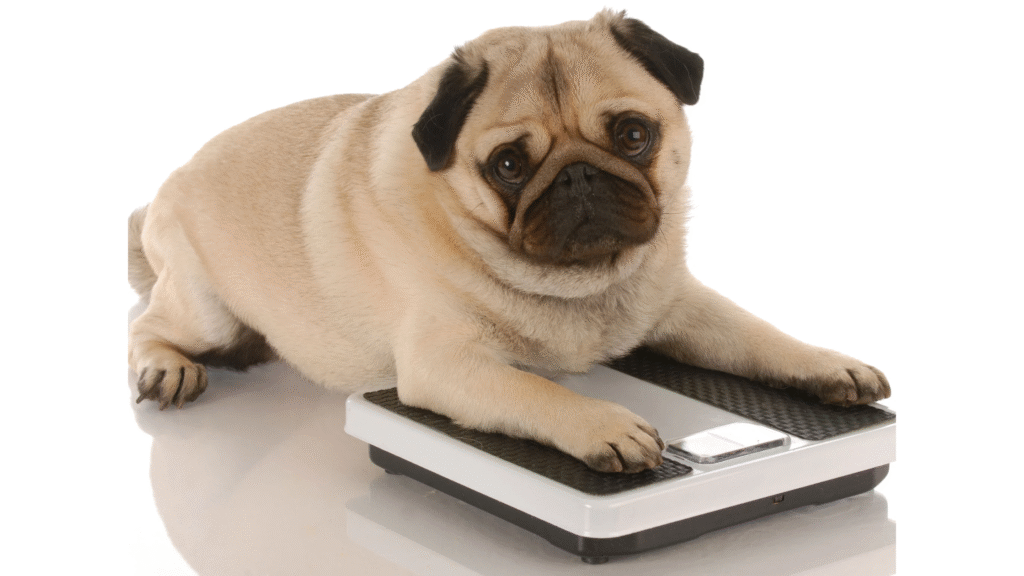
Puppies do not develop along a straight line. Growth spurts are periodical and the ultimate size is determined by breed.
- At 2 months, most puppies are around 25% of adult weight
- At 4 months, they reach about 50%
- At 6 months, many reach 66% or more
- By 12 months, small breeds are 90–100% of adult weight
- Large and giant breeds may need 18–24 months to fully mature
A dog weight chart for puppies gives rough predictions, but energy level, health, and genetics also play strong roles. In case a puppy appears to be way out of the norm, discuss the development patterns with a vet.
Causes of Dog Obesity
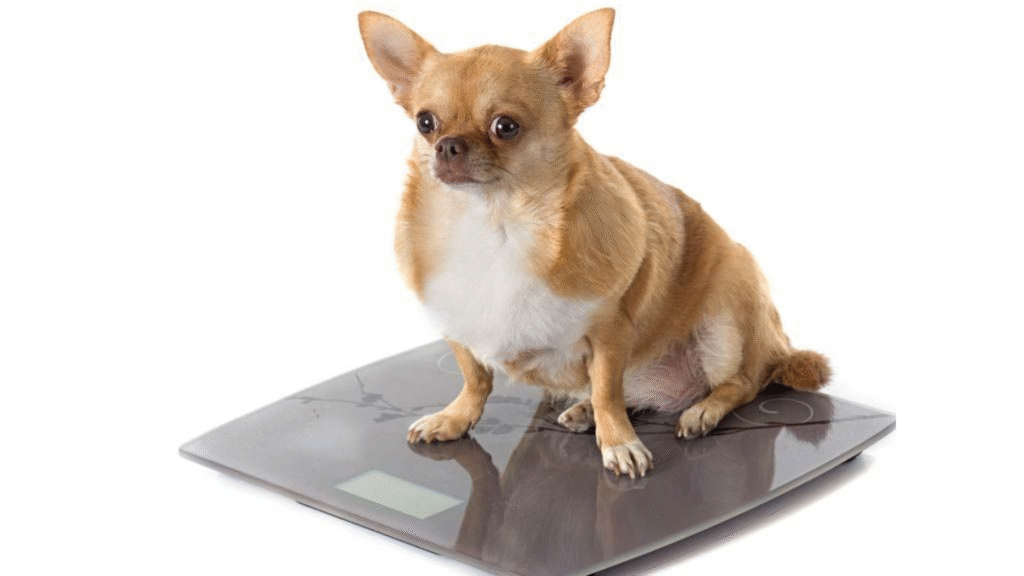
Dog obesity rarely comes from one cause alone. It normally develops gradually due to the eating habits, lifestyle and age. Free-feeding, in which the food is present continuously, causes overeating. Unless it is rich kibble, dogs do not self-limiting well. Snacks that sneak above 10 percent of the daily calorie content accumulate as well.
Another key cause is the absence of exercise. Most dogs are kept in long spells with minimal exercise. Excess calories intake means that weight gain is experienced.
There are certain breeds that are known to gain weight faster and they include Labradors, Beagles, and Pugs. The age and spay/neuter also influence the metabolism reducing calorie requirement by an average of 25 percent in certain dogs. Weight gain may also be caused by medical conditions such as hypothyroidism or Cushing’s disease that have to be treated.
How to Help Your Dog Lose Weight
Loss of weight ought to be gradual and regulated. Diets aimed at weight loss are dangerous because they may damage organs. Use your dog weight chart, current weight, and BCS as starting points.
Step 1: Calculate Daily Calories
A simple formula for maintenance calories is:
(Dog weight in lbs × 30) + 70 = daily calories
For safe weight loss, reduce this number by about 25%. Always ask your vet before large changes, especially for senior dogs or dogs with health issues.
Step 2: Measure Food
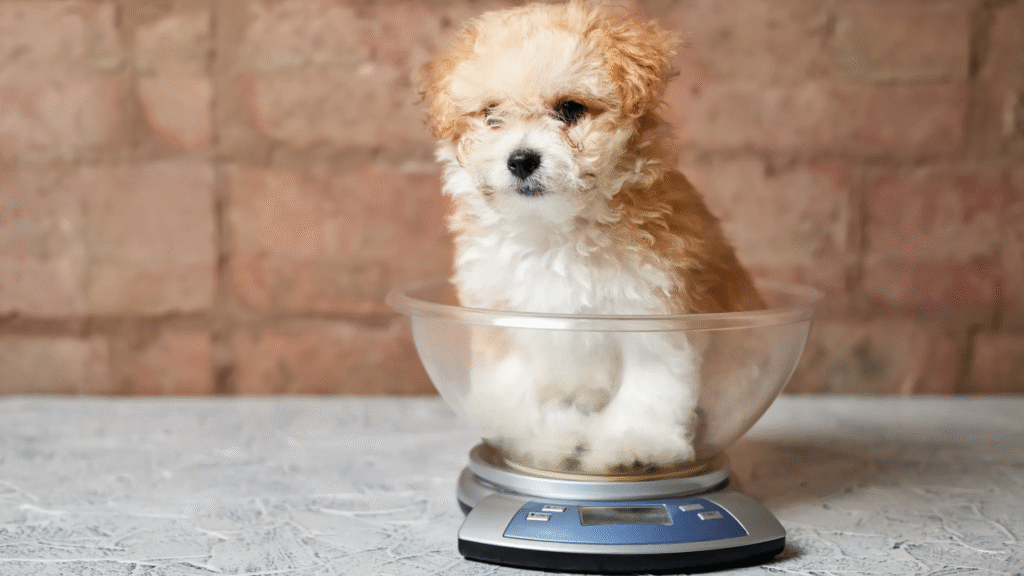
Stop guessing portions. Use a proper measuring cup or gram scale for precision. Divide daily food into two or three meals instead of leaving food out all day.
No more free-feeding. Scheduled meals make it easier to control intake and notice changes in appetite.
Step 3: Choose Low-Calorie Foods
Look for weight management formulas that support a healthy dog weight. These are more protein rich, low fat with added fiber. Protein keeps the body of muscles intact and your dog sheds off some of the fat.
Calorie label on the packs of the read so that you can compare portions with the daily target of your dog. In case of doubt, request your vet to appreciate the label.
Step 4: Healthy Treat Alternatives
Treats should stay under 10% of daily calories. Swap high-calorie biscuits for low-calorie snacks.
Good options include:
- Green beans (plain, cooked or raw)
- Carrot sticks
- Air-popped popcorn without butter or salt
- Apple slices without seeds
These add volume and crunch without heavy calories.
Step 5: Increase Exercise
Increase activities by 15 to 30 minutes daily. Two 20-minute brisk walks are more energetic as compared to a slow stroll. Dogs with joint problems accumulate well with swimming as it limits the effect. Scent games, structured play, and fetch also help in weight loss and mental health.
Step 6: Track Progress
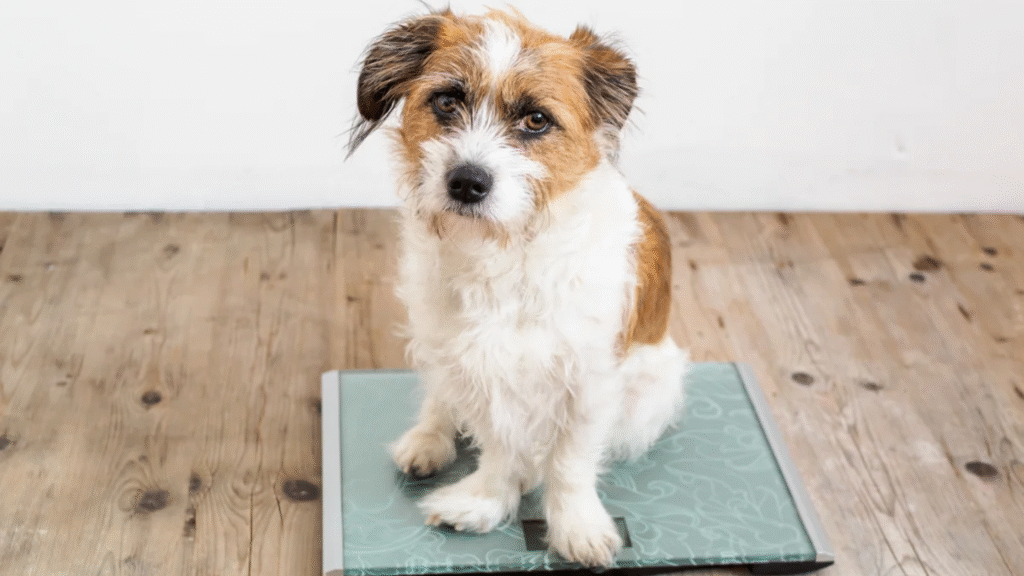
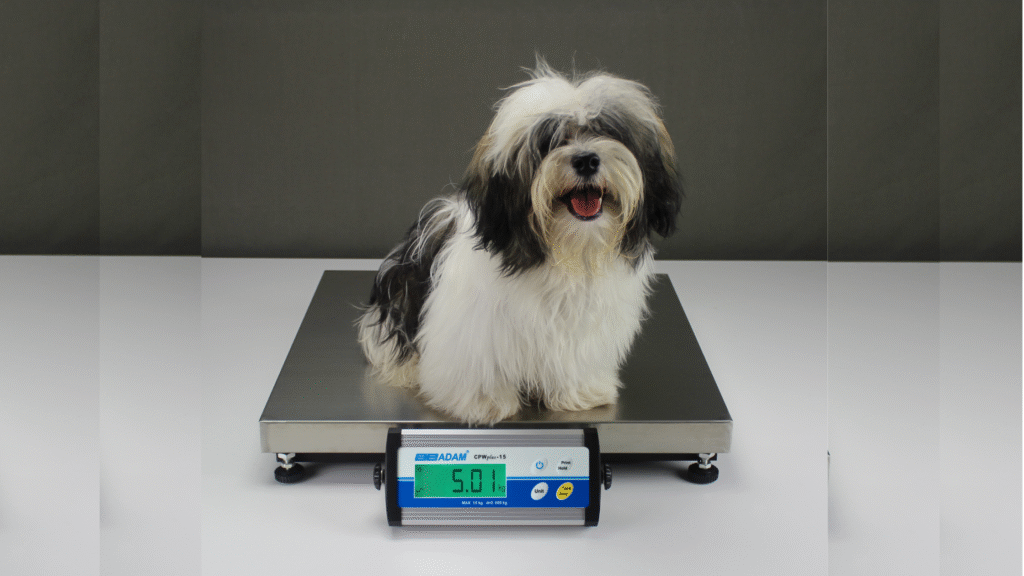
Have your dog weighed at the same time of day every week. Attain a safe body weight loss of 1-2 per cent per week. Record the figures and observe the trend. In case the weight does not change after a month, discuss the calories with your veterinarian or check to see whether there is some underlying disease. Frequent visits to the vet provide additional help to the long-term success.
Best Dog Food for Weight Loss (Neutral Overview)
Here is a simple comparison of common weight management formulas. Use these as types of food to discuss with your vet rather than direct prescriptions.
| Food Type | Example Formula Style | Calories/Cup (approx.) | Protein % | Fat % | Notes |
| Veterinary weight loss diet | Prescription low-calorie kibble | 240–280 | 25–30 | 8–10 | For dogs with severe dog obesity |
| Premium healthy weight kibble | High protein, moderate fat | 310–340 | 30–35 | 10–12 | Good for active overweight dogs |
| Standard weight management kibble | Reduced fat, added fiber | 290–320 | 24–28 | 9–11 | Works for many family pets |
| Grain-free weight control | Meat-based with legumes | 300–330 | 28–32 | 10–12 | Check with vet if grain-free is needed |
| Canned weight control food | High moisture, lower calories/cup | 220–260 | 8–12 (as-fed) | 3–6 | Helpful for dogs who love volume |
The right choice depends on health, age, and activity. A healthy dog weight plan combines food choice with daily movement, not food changes alone.
Exercise Recommendations by Size
Exercise needs vary with size, age, and breed, but all dogs benefit from regular movement.
- Small dogs: 30–60 minutes per day split into walks and play
- Medium dogs: 60–90 minutes per day with a mix of walking and games
- Large dogs: 60–120 minutes per day, adjusted for joints and stamina
Puppies and seniors need shorter sessions with more rest. Watch your dog’s breathing and energy. The goal is steady, moderate effort rather than exhaustion.
Conclusion
Achieve a healthy dog weight using breed charts, BCS checks, and gradual plans with measured calories, low-fat foods, and size-appropriate exercise. Avoid the dangers of joints and life caused by obesity by regular check-ups. Make personal adjustments with the help of vets–it is life and death of your dog.
Frequently Asked Questions
How much should my dog weigh?
A dog weight chart and dog weight by breed ranges give useful starting points. The most appropriate solution is to multiply these numbers by a body condition score and the exam of your pet by your vet. Hope towards a visible waist and feel the ribs.
What’s the fastest way to help my dog lose weight?
Fast is not safe. The most appropriate one will be a monitored diet, a reduced calorie plan, predetermined meals, and increased physical activities. A safe weight loss of 1-2 percent of body weight should be done per week to save muscle but burn fat.
Can I give my dog diet pills?
Should not give human diet pills to dogs. Any medication or supplement for dog obesity must come from your veterinarian. Food and exercise changes alone are enough with many dogs.
How do I know if my puppy is growing properly?
Monitor the weight of your puppy every month and compare it with the normal developmental stages. The growth cannot be drastic with highs and lows. In case your puppy appears too skeleton-like or too fat, have your vet look at growth curves and change food.