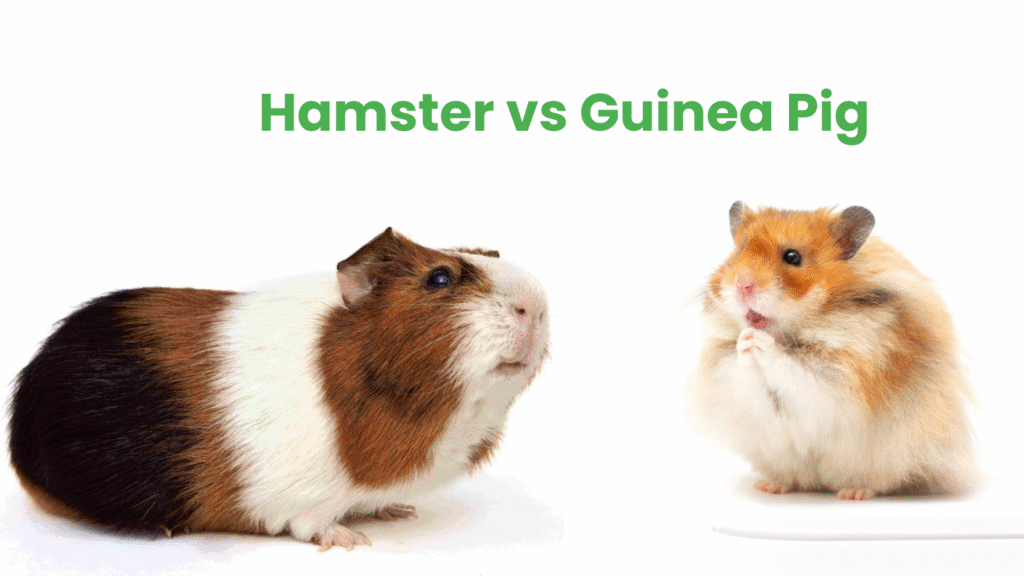
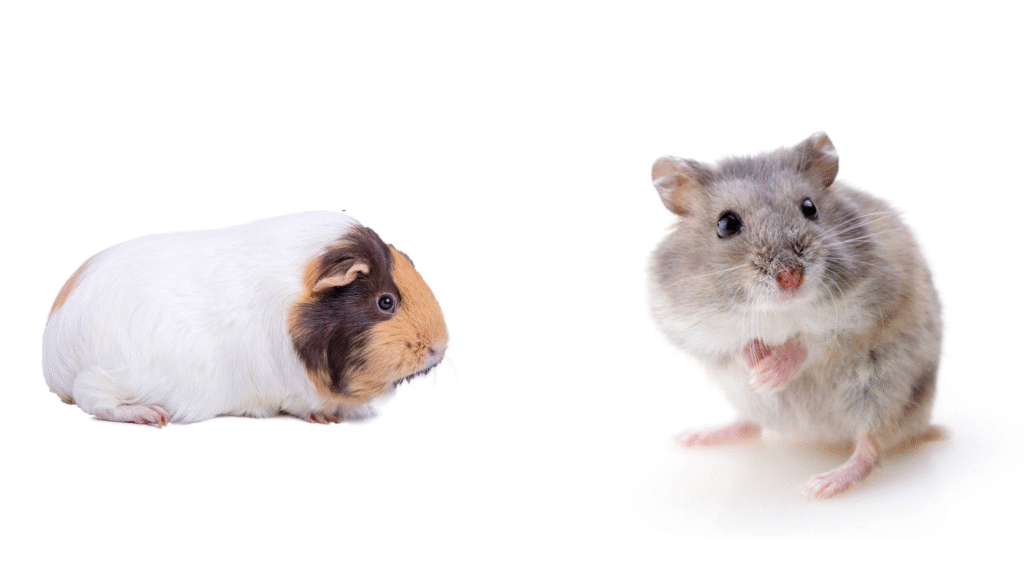
In the hamster vs guinea pig debate, guinea pigs are social, live 5–7 years, do best in bonded pairs, and need large cages with daily floor time. Hamsters are solitary, live 2–3 years, need less space, and are most active at night. Guinea pigs usually suit families and kids who want daytime interaction, while hamsters fit adults or older kids with limited space who are okay with nocturnal habits.
- Hamster vs Guinea Pig: Side-by-Side Comparison
- Lifespan and Commitment
- Size and Space Requirements
- Social Needs
- Activity Patterns
- Handling and Temperament
- Diet Comparison
- Grooming and Maintenance
- Health Considerations
- Kid-Friendliness
- Noise Level
- Best Choice If… Hamster or Guinea Pig?
- Breed Variations
- Frequently Asked Questions
Hamster vs Guinea Pig: Side-by-Side Comparison
At a glance, this table highlights the most important differences between hamster and guinea pig ownership:
| Feature | Hamster | Guinea Pig |
| Lifespan | 2–3 years | 5–7 years |
| Size | 5–7 inches | 8–12 inches |
| Social Needs | Solitary | Must live in pairs |
| Activity | Nocturnal | Daytime active |
| Cage Space | 450+ sq inches | 10+ sq ft (two pigs) |
| Noise | Quiet | Vocal |
| Handling | Shy, may bite | Gentle, rarely bite |
| Kid-Friendly | Ages 8+ | Ages 5+ |
Lifespan and Commitment
Hamsters usually live 2–3 years. This less long commitment is convenient to individuals who are not sure of long term commitment, students, or adults who switch locations frequently. It may also imply that the relationship is significant but short, and it may be difficult to the sensitive children.
Guinea pigs have a life expectancy of 5 -7 years and in some cases, the pigs can live longer with proper care. Using guinea pigs is likened to adoption of a small dog in as far as time commitment is concerned. Families ought to think about those that are still around and ready to take care of them in the few years to come.
In case you are interested in a pet that will develop with your child as he/she goes through elementary school, guinea pigs are more appropriate. A hamster could be a better match, in case you want your commitment to be smaller and you are ready to part ways more often.
Size and Space Requirements
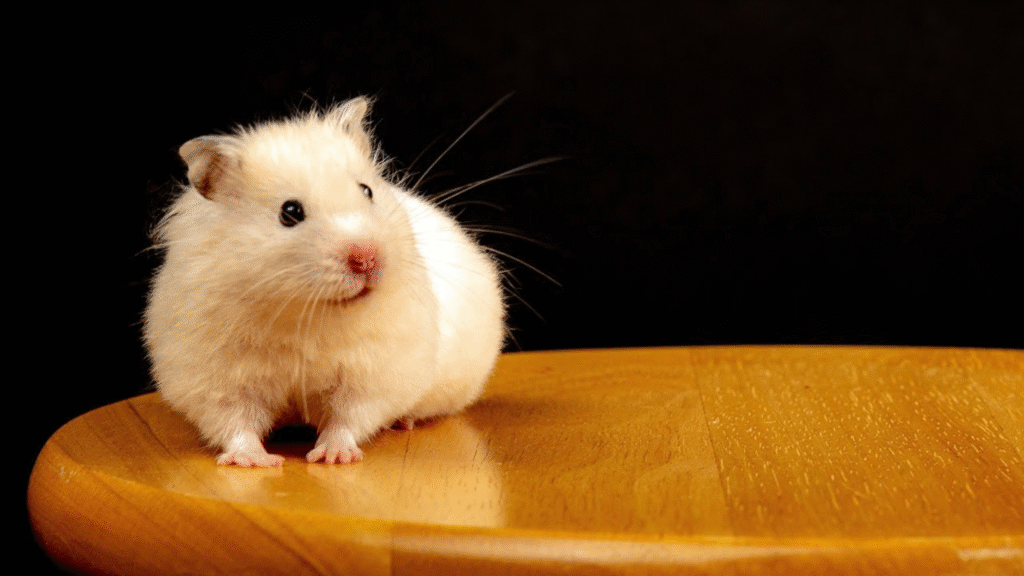
Most of the population envisions small cages of the pet shops, which are not the best. Hamsters are best served by a minimum of 450 + square inches of floor space and bigger enclosures are even better. Consider a wide, long, but not tall one. A wheel is supported by a height of approximately 12 inches with a few climbing features. Vertical space is handy, although you are mostly worried about good footprint to allow the hamster to walk and burrow. An enlarged cage will make them less aggressive and minimize bar-chewing and pacing.
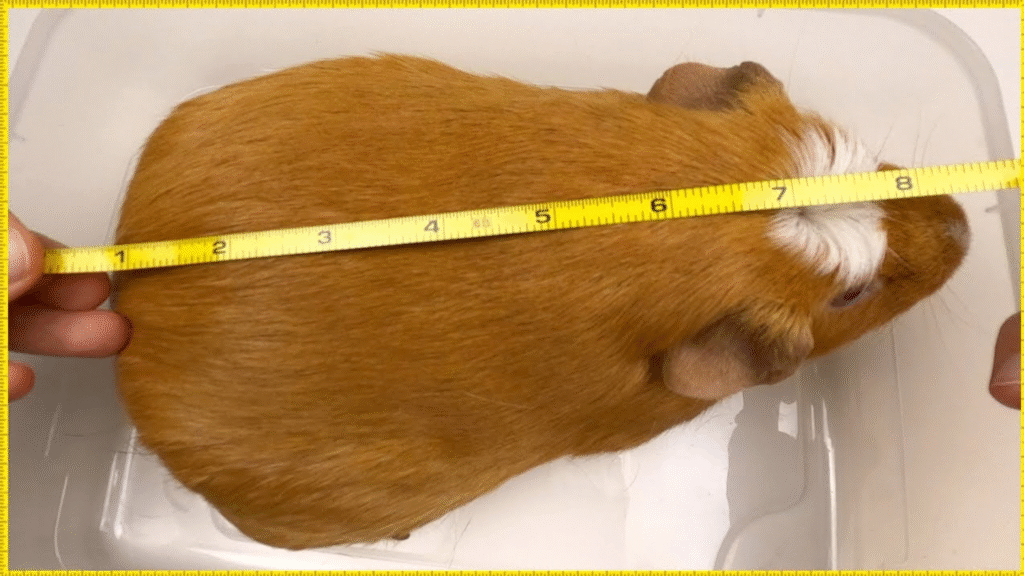
Guinea pigs require much more space than hammocks. A guinea pig is supposed to be given at least 7.5 square feet of space in a cage. A married couple is supposed to have 10.5 square feet or above. C&C cages (grid and coroplast) are also popular due to the ability to be customized and expanded. The most important is the horizontal space. Guinea pigs are not climbers as hamsters are hence they require long stretches to zoom, popcorn and explore. They have 3-4 hours of safe floor time every day to exercise and enrich themselves besides cage time.
A hamster enclosure is less complicated to install in a very small area. Provided that you can spare a big space to a cage and a floor time, guinea pigs will occupy it to the last inch.
Social Needs
Syrian hamsters are found to be solitary at full maturity. It is dangerous to have two Syrians alone together. They are not supposed to be together and they do not require another hamster to be socially comfortable. Dwarf hamsters do form same sex groups but in this case, fights are frequent. The vast majority of pet owners have one hamster and prefer the soft and frequent contact with human beings instead. In case of the one-pet household, where the owner desires one enclosure and animal, a hamster can be suitable.
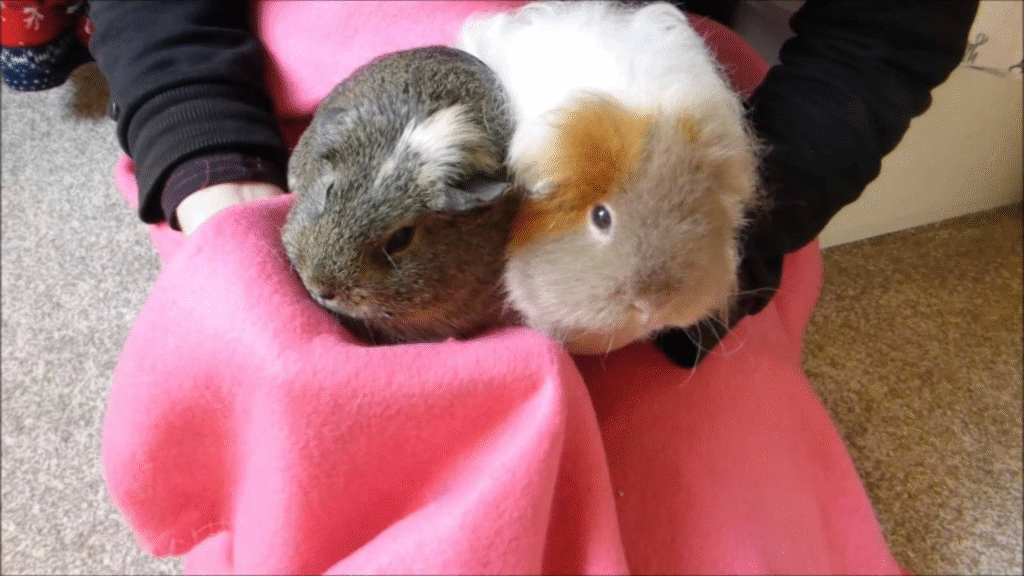
Guinea pigs are herd animals. They must have a friend of their own kind at least to be emotionally healthy. Guinea pigs that are isolated tend to get depressed and become less active and in the long run, their health conditions may be compromised.
Trios or the same sex couples perform well where they are introduced appropriately. It is also common to have a neutered male among females. They speak in wheeks, chirps, rumbles and purr-like. When you decide to adopt guinea pigs, you should make sure that you adopt at least two.
Activity Patterns
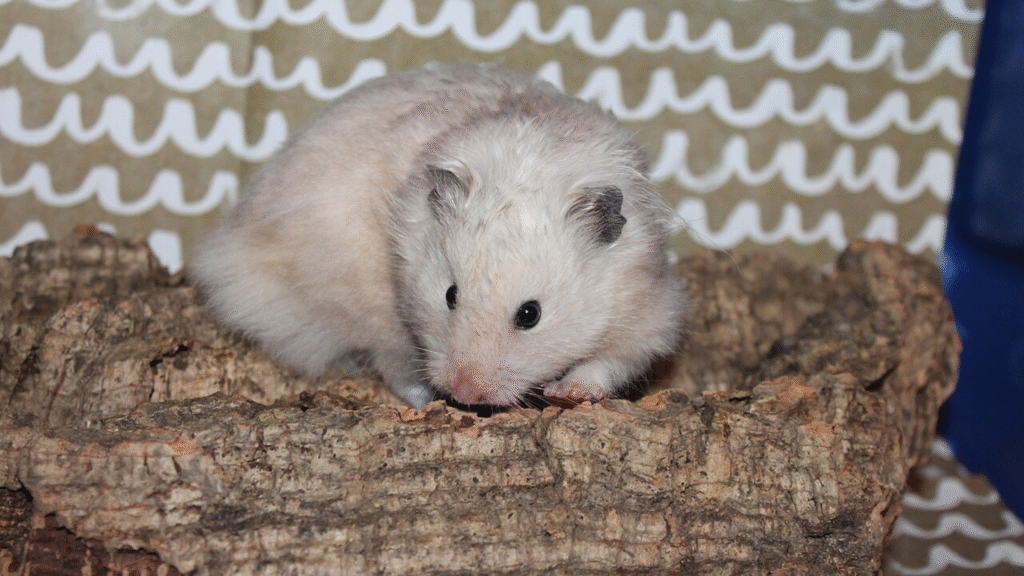
Hamsters are crepuscular or nocturnal, i.e. they are most active at dusk or night or during the dawn. They like to sleep during the day and would not want to be bothered. Rudely waking them causes them to be stressed and easily bite. They run on wheels, dig and explore at night. Noise in the wheels is very loud, particularly in bedrooms. In case you love to stay late and you would like to communicate after night, the time of a hamster can suit you quite well.
Guinea pigs are generally daytime. There is daytime activity but they sleep in short jolts throughout the clock. Their sleep pattern is more aligned with the human habits. During the day, they explore, eat hay and interact. This is why they are perfect with a child in school and a family, who wants to spend the time with their pets in the afternoon and evening.
Handling and Temperament
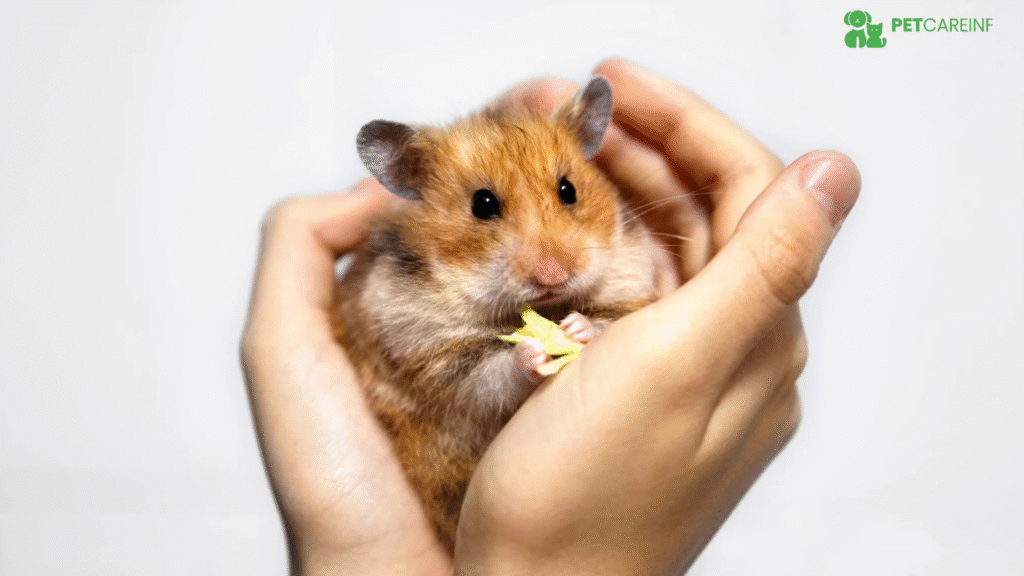
With patience, hamsters may be trained, though they initially are timid and easily spooked. A lot of them do not like to be seized by the head, which resembles an attack of the predator. They can bite in case they are awakened abruptly or mishandled. Most of the families have them as watch and enjoy pets rather than lap pets. They are fond of digging tunnels, wheels and toys. When you prefer watching nature at work and silent motion to holding and cuddling, this predisposes you to a hamster.
Guinea pigs are peace-loving and hardly bite when they trust the humans. After they are tamed well, they like to be held, petted and even talked to. Numerous will rest upon a lap or chest during idle hours. They know the voice and foot steps of their owners and usually call out when they hear food or other familiar things. This predisposes them to suit individuals who desire a high degree of practicality.
Diet Comparison
Diet is a big difference between hamster and guinea pig care. Feeding them the same food is not safe.
Another significant distinction between hamster and guinea pig care is diet.
Hamsters are omnivores. They feed on good quality pellets, scarce amounts of seed mixtures, low amounts of vegetables, infrequent fruits and infrequent protein sources like insects. It is also not much complicated to feed provided the basis is pellets.
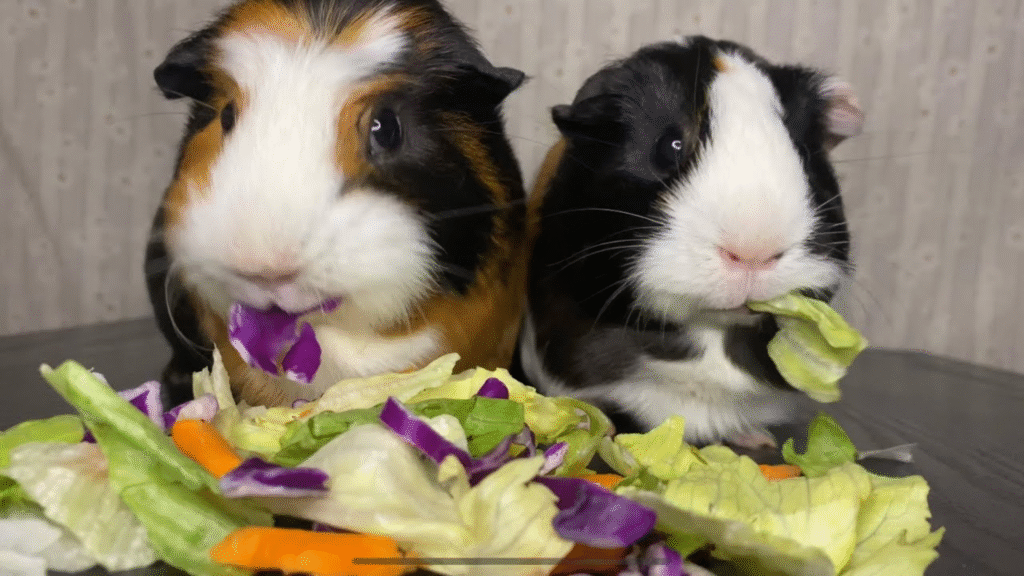
Guinea pigs are herbivores. Their food is based on timothy hay, which is unrestricted as well as vitamin C pellets and fresh vegetables every day. Since the guinea pigs are unable to synthesize vitamin C, deficiency may easily result in scurvy.
Hamsters are cheaper to feed on a daily basis. Guinea pigs need to be planned, but they will gain a lot with new and diverse food sources.
Grooming and Maintenance
Hamsters are also inherently clean and they take much time for grooming. A lot of people come to the sand bath one or two times a week to have their fur trim. A vet will normally not require them to have water baths. Cage cleaning Cage cleaning involves a daily spot cleaning and a bigger clean once a week. Their compact size implies that there is less waste to be changed thus the bedding can be changed easily and cheaper.
Guinea pigs require a higher level of hands-on care and grooming. The nail trim must be done after every 4-6 weeks in order to avoid the pain and foot complications. Long haired breeds should be brushed on a daily basis to prevent knots and mats. Full baths are hardly necessary to them, perhaps once every few months, and only in junk-pet shampoo. Guinea pigs generate over hamsters, hence they demand spot and thorough cleaning every day and at least once a week respectively.
Health Considerations
Poor feeding can cause hamsters such problems as a wet tail, respiratory infection, tumors and diabetes. Risks are significantly minimized by clean housing and a balanced diet.
Guinea pigs are usually affected by vitamin C deficiency, dental proliferation, respiratory diseases, and bumblefoot. It is necessary to have proper hay consumption, clean bedding and regular health examination.
The two pets are both sensitive to care and early treatment of the veterinarian.

Kid-Friendliness
Hamsters are miniature and delicate. Even a short fall may result in serious injuries. They can bite when perturbed, roused or pinched. This is why they are suitable to children above 8 years old who can control their impulses and be carefully supervised. They are perfect in the case when the primary care giver is a grown-up or elder teenager who prefers quiet, non-aggressive communication during the night.
Guinea pigs more forgiving and small hands can easily be guided by their hands. They do not bite much but like to spend time on the laps after they are sure they are safe. Their vocal character assists children to acquire the skill of deciphering animal signals: wheeks excited mean food, petting soft purrs. Guinea pigs are the more appropriate option to a large family with children aged 5 and above.
Noise Level
Hamsters are quiet in nature. The majority of noise is produced by wheels, chewing or digging. The squeaky rigs in a bedroom can break the sleep, but there is a lack of their vocal sounds.
Guinea pigs are much louder. They wheek when it is time to eat, rumble when dominance is shown, and purr and chirp gently when things are quiet. These sounds are cute to most owners, but can be a nuisance to small-house light sleepers.
In case you wish pets that are almost silent, hamsters have the victory. Guinea pigs are fun animals to keep, especially when you like gossiping little creatures that talk to you.
Best Choice If… Hamster or Guinea Pig?
Deciding between a hamster vs guinea pig becomes much easier when you match each pet’s needs with your lifestyle.
A hamster is usually the better choice if you have limited space, prefer a shorter commitment of two to three years, and don’t mind a mostly nocturnal pet. Hamsters are quieter, require less daily food prep, and are ideal if you enjoy observing natural behaviors rather than frequent cuddling.
A guinea pig is the better option if you can provide a large cage, daily floor time, and long-term care. Guinea pigs thrive on daytime interaction, need companionship from another guinea pig, and are well suited for families who want a social, affectionate pet and don’t mind daily hay, vegetable, and cage routines.
Breed Variations
Hamster Types
- Syrian: Largest, usually golden or mixed colors, must live alone.
- Dwarf Campbell’s: Small, can be social with caution.
- Dwarf Winter White: Similar to Campbell’s, may change coat color in winter.
- Roborovski: Tiny and very fast, better for observation than handling.
- Chinese: Longer tail, slim body, often shy.
Each type has slightly different temperament and space needs, but all follow the same core care principles.
Guinea Pig Types
- American: Short, smooth coat, easy-care.
- Abyssinian: Short coat with rosettes and swirls.
- Peruvian: Long, flowing coat that needs daily grooming.
- Skinny Pig: Hairless or mostly hairless, needs warm living area.
- Texel: Curly long hair that needs extra grooming.
Coat type changes grooming time more than personality. Long-haired guinea pigs need more daily brushing, so choose short-haired types if you want lower upkeep.
Frequently Asked Questions
Are guinea pigs or hamsters easier to care for?
Compared to rats, hamsters are less expensive and less demanding in space. They require a single enclosure, reduced food and little grooming. Guinea pigs require larger cages, and fresh hay and vegetables daily and regular examination but are usually less problematic to deal with.
Can hamsters and guinea pigs live together?
No. They vary in size, food, social cues and activity. It is not safe and stressful to keep them together. They need to be kept in different species-sufficient arrangements.
Which is friendlier, hamster or guinea pig?
The guinea pigs most tend to be friendlier and handle oriented in their nature. Hamsters are bonding creatures though they prefer to explore rather than cuddle. Guinea pigs tend to be the most preferable pets that enjoy being held, which makes them better than other pets.
Which pet is better for kids?
In the case of younger children, guinea pigs are normally superior. They are stronger, bigger and less apt to bite. Older children can work with the hamsters, knowing how delicate they are and can accept a nocturnal pet.