Rabbits’ lifespan refers to the typical number of years an individual rabbit is expected to live under given environmental and care conditions; domestic pet rabbits generally live far longer than wild rabbits because of differences in predation, disease exposure, and veterinary care. This guide explains how long do rabbits live or average lifespan ranges for both pet and wild rabbits, why those ranges differ, and what owners can do to extend a rabbit’s healthy years through diet, housing, and preventive veterinary care.
Many rabbit owners want clear, actionable steps to reduce risks like uterine cancer, dental disease, and GI stasis, and this article delivers evidence-based prevention strategies and practical daily routines. You will find concise lifespan ranges, a breed comparison table to weigh genetic risks, a factors table showing how each driver affects longevity, and life-stage care checklists to use now. Read on for quick featured-snippet style answers, detailed factor-by-factor guidance, breed-specific comparisons, and a compact checklist to help your rabbit live longer and healthier.
How Long Do Rabbits Live of Pet and Wild Rabbits?
Domestic pet rabbits typically live substantially longer than their wild counterparts because of controlled diets, shelter from predators, and access to veterinary care; on average, healthy indoor pet rabbits commonly reach 8–12 years, with many living beyond a decade when well cared for.
This lifespan reflects the interaction of genetics, size, neuter status, diet, and preventive medicine, which together reduce mortality from common causes like reproductive cancers and dental disease. Understanding these averages helps owners plan long-term care and make breed and housing choices that support longevity. The next subsections break down domestic averages and the ecological reasons wild rabbits have shorter lives.
How Long Do Rabbits Live, or Do Domestic Rabbits Typically Live?
Domestic rabbits commonly live between about 8 and 12 years, with smaller breeds and well-managed indoor rabbits often at the higher end of that range. Neutered indoor rabbits that receive regular dental checks, parasite control, and a hay-first diet tend to show lower rates of uterine cancer and dental disease, which are major drivers of early mortality.
Examples of long-lived pets include indoor rabbits reaching 12+ years with consistent veterinary care and enrichment that prevents obesity and GI stasis. Good baseline care and early detection of dental and GI issues directly translate into measurable lifespan improvements, which leads into why wild rabbits face very different pressures.
Why Do Wild Rabbits Have a Shorter Lifespan?
Wild rabbits typically average around 1–2 years of life because they face intense predation, variable food availability, infectious disease exposure, and environmental stressors that greatly increase juvenile and adult mortality. Life-history trade-offs in wild populations favor high reproductive output rather than longevity, so survival probabilities drop sharply in the first year; predation and infectious outbreaks are the primary mortality causes.
Lack of veterinary care and the energetic costs of avoiding predators further reduce lifespan compared with captive or pet rabbits. Recognizing these ecological pressures highlights why providing shelter, nutrition, and preventive care for pet rabbits can yield dramatic gains in life expectancy.
What Key Factors Affect a Rabbit’s Lifespan?
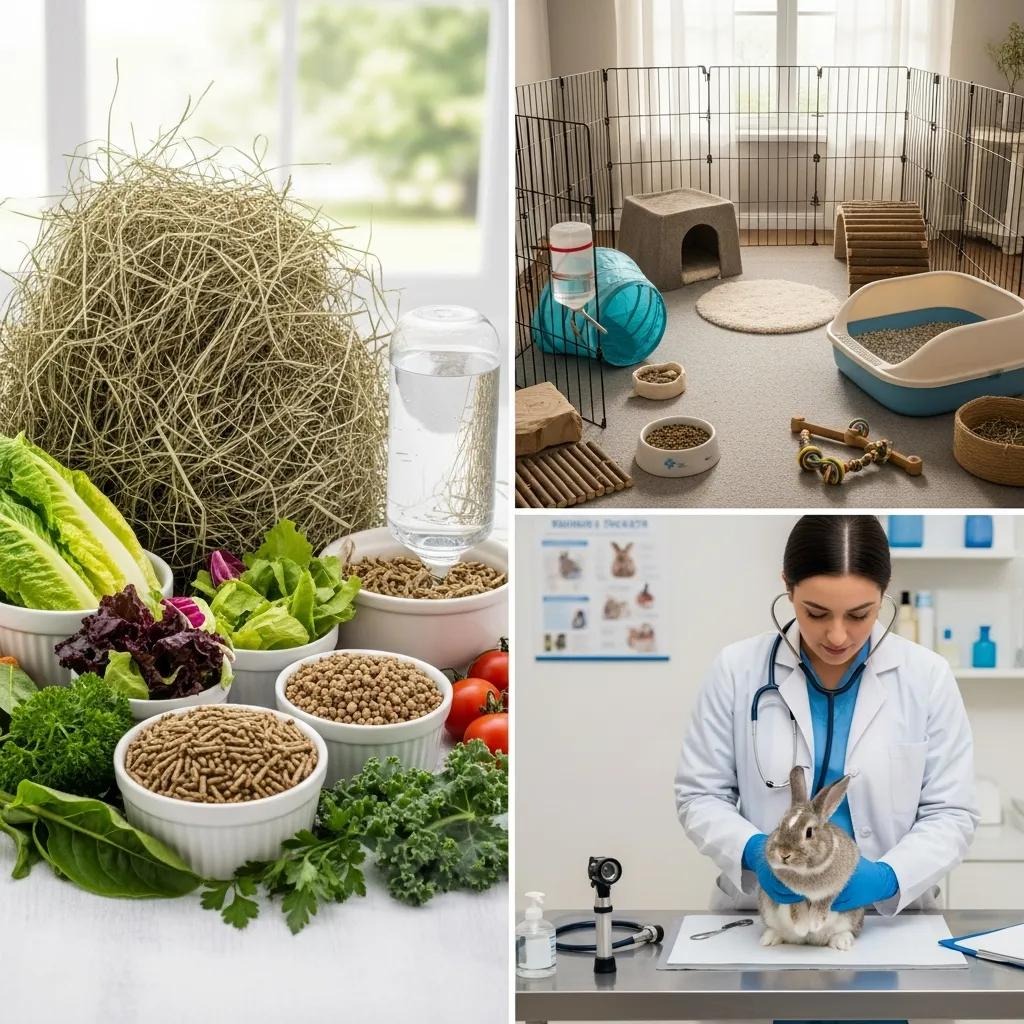
Key factors that affect rabbit longevity include diet and nutrition, housing and environment, veterinary care and reproductive management, genetics and breed, and exercise plus mental stimulation; each factor acts via specific mechanisms such as dental wear, GI motility, stress reduction, and early disease detection to increase or decrease life expectancy.
Addressing these areas with targeted actions—hay-first feeding, safe indoor housing, routine vet checks and spay/neuter, selective breeding awareness, and daily enrichment—reduces the most common causes of premature death. Below is a compact table that maps the primary factors to mechanisms and recommended actions to improve outcomes. After the table, practical dietary guidance follows.
Different factors influence lifespan through distinct biological and behavioral mechanisms, allowing owners to prioritize interventions that yield the largest gains in longevity.
| Factor | Mechanism of effect | Recommended action / value impact |
| Diet & Nutrition | Maintains dental wear and GI motility | Hay-first diet, limited pellets, fresh water; reduces dental disease and GI stasis |
| Veterinary Care | Early detection and prevention of disease | Regular checkups, spay/neuter, dental exams; lowers cancer and untreated-disease mortality |
| Housing & Environment | Reduces stress and exposure to predators | Indoor, climate-controlled space with enrichment; reduces injury and infectious risk |
This factor mapping shows how straightforward, targeted actions can translate into meaningful lifespan gains when applied consistently.
How Does Diet and Nutrition Impact Rabbit Longevity?
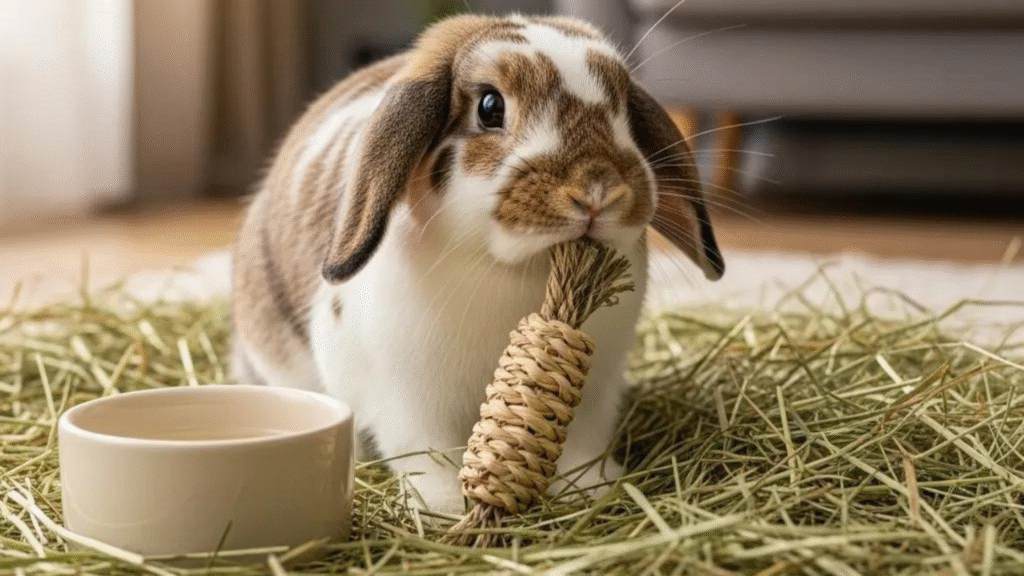
Diet directly controls dental health, gut motility, and body condition; feeding mostly high-quality grass hay maintains tooth wear and fiber-driven GI movement, which reduces the risk of dental overgrowth and GI stasis that can be fatal.
Pellets should be limited to measured amounts based on adult weight, and fresh water and safe leafy greens should supplement hay rather than replace it; this feeding structure preserves normal chewing behavior and digestive function.
Preventing obesity through portion control and appropriate fiber intake lowers the incidence of arthritis and cardiac strain, improving mobility and long-term health. These dietary principles set the stage for the housing and enrichment strategies discussed next.
How Do Housing and Environment Influence Rabbit Life Expectancy?
Housing and environment shape exposure to predators, climate-related stress, and infectious agents while also determining opportunities for exercise and enrichment that protect musculoskeletal and GI health. Indoor housing offers climate control, reduced parasite load, and safer socialization opportunities; rabbits kept indoors with space to hop and supervised free-roam time show fewer injuries and stress-related illnesses.
Minimum space, regular cleaning, safe chew materials, and predator-proof outdoor setups for supervised time are essential environmental controls. Optimizing the living environment complements diet and veterinary care to substantially reduce mortality risks.
Which Rabbit Breeds Live the Longest? Lifespan Comparison of Popular Breeds

Breed and size correlate with lifespan because genetics influence disease predisposition and growth-related stress; generally, smaller and dwarf breeds tend to live longer than giant breeds due to slower growth and fewer musculoskeletal and organ stressors. The table below compares common breeds by size, typical lifespan ranges, and frequent health risks so owners can weigh genetic factors alongside care practices when selecting or caring for a rabbit. After the table, breed-group implications and mitigation strategies are summarized.
Smaller breeds often reach older ages when combined with careful husbandry and preventive veterinary attention.
| Breed | Size | Typical Lifespan | Common Health Risks |
| Netherland Dwarf | Small | 8–12 years | Dental malocclusion |
| Holland Lop | Small | 7–10 years | Obesity, ear infections |
| Mini Rex | Small/Medium | 8–12 years | Dental disease |
| Flemish Giant | Giant | 5–6 years | Arthritis, cardiac stress |
This breed comparison highlights that while genetics set baseline risks, proper diet, housing, and routine veterinary care mitigate many breed-specific challenges.
What Are the Lifespans of Small and Dwarf Rabbit Breeds?
Small and dwarf breeds like Netherland Dwarf, Holland Lop, and Mini Rex commonly fall in the 7–12 year range when provided excellent care, with many individuals reaching the higher end of that span. Their smaller body size tends to produce fewer growth-related orthopedic and cardiac issues compared with giant breeds, and owners can further reduce risks by monitoring dental alignment and preventing obesity. Regular dental checks, portion-controlled feeding, and frequent supervised exercise help these breeds maintain mobility and GI health. These care priorities naturally lead into how giant and standard breeds compare.
How Do Giant and Standard Breeds Compare in Lifespan?
Giant breeds such as the Flemish Giant and French Lop typically have shorter average lifespans—often 5–6 years—largely due to rapid growth, heavier joint loading, and a higher prevalence of size-related conditions like arthritis and cardiac strain. Care strategies that mitigate these risks include weight management, gentle exercise, joint-supportive bedding, and earlier and more frequent veterinary monitoring for musculoskeletal and cardiac signs. While genetics influence baseline lifespan, attentive management of growth and weight can improve outcomes and quality of life for larger rabbits.
How Can You Help Your Rabbit Live Longer? Essential Care Tips for Longevity
Proactive care that focuses on a hay-first diet, timely spay/neuter, routine veterinary checkups, daily exercise, and environmental enrichment yields the largest, evidence-aligned gains in rabbit lifespan by preventing the top causes of early death such as uterine cancer, dental disease, and GI stasis. The checklist and life-stage table below provide actionable steps owners can implement immediately, with emphasis on prevention, monitoring, and early intervention. After the table, practical daily and seasonal care tips are provided to translate these priorities into consistent routines.
Follow these prioritized interventions to lower the most common mortality risks and increase years of healthy life.
| Life Stage | Care priority | Specific steps |
| Kit (0–6 months) | Growth support & socialization | Monitor weight gain, safe chew toys, supervised gentle handling |
| Adult (1–6 years) | Prevention & maintenance | Hay-first diet, spay/neuter, biannual vet checks, daily exercise |
| Senior (7+ years) | Early detection & comfort | More frequent vet visits, dental and mobility checks, adjust diet for chewing |
This life-stage table clarifies which interventions have the greatest impact at each age and how to implement them in practical steps.
Daily care checklist to support longevity:
- Feed a hay-first diet with measured pellets and fresh water every day.
- Provide at least several hours of supervised free-roam or exercise daily.
- Schedule routine veterinary dental checks and spay/neuter as recommended.
Why Is Veterinary Care, Including Spaying and Neutering, Crucial for Lifespan?
Veterinary care enables early detection and treatment of common life-limiting conditions such as dental disease, GI stasis, and reproductive cancers; spaying female rabbits markedly reduces uterine cancer risk, which is a leading cause of mortality in unspayed females, with up to 70-80% developing uterine adenocarcinoma if left unspayed.
Routine exams allow for parasite control, vaccination where applicable, dental trimming or corrective actions, and behavior assessment that can prevent secondary health declines. Owners should follow a veterinarian’s recommended schedule for checkups, with increased frequency for seniors and giant breeds, because proactive screening and timely interventions are strongly linked to longer, healthier lives. Regular veterinary partnership naturally complements diet and exercise strategies discussed next.
How Do Exercise and Mental Stimulation Extend a Rabbit’s Life?
Daily exercise and enrichment maintain muscle mass, support healthy GI motility, prevent obesity, and reduce stress, thereby lowering risks of mobility-related decline and GI stasis that can shorten life. Enrichment can include safe chew toys, tunnels, foraging puzzles, and supervised social interaction, all of which promote natural behaviors and cognitive engagement. Target at least several hours of supervised free-roam and interactive play per day, adjusted for age and mobility, to sustain both physical and mental health. Consistent activity links directly to improved digestion, stronger musculoskeletal health, and a better capacity to recover from illness.
Conclusion
Understanding the factors that influence a rabbit’s lifespan empowers owners to make informed decisions that enhance their pet’s health and longevity. By prioritizing a hay-first diet, regular veterinary care, and a stimulating environment, you can significantly reduce the risks of common health issues. Implementing these strategies not only supports a longer life but also enriches the quality of your rabbit’s daily experience. Discover more actionable tips and resources to ensure your rabbit thrives by exploring our comprehensive care guides today.
Frequently Asked Questions
What are the signs of aging in rabbits?
As rabbits age, they may exhibit several signs that indicate they are entering their senior years. Common signs include decreased activity levels, changes in eating habits, weight loss, and dental issues such as overgrown teeth. Additionally, older rabbits may become less social and more prone to health problems like arthritis or kidney disease. Regular veterinary check-ups are essential to monitor these changes and ensure that any health issues are addressed promptly, helping to maintain their quality of life as they age.
How can I tell if my rabbit is in pain?
Rabbits are prey animals and often hide their pain well, making it crucial for owners to be observant. Signs of pain may include changes in behavior, such as reduced appetite, lethargy, or hiding more than usual. Physical signs can include grinding teeth, a hunched posture, or reluctance to move. If you notice any of these symptoms, it’s important to consult a veterinarian as soon as possible. Early intervention can help manage pain and improve your rabbit’s overall well-being.
What is the best diet for a rabbit to ensure longevity?
A rabbit’s diet should primarily consist of high-quality grass hay, which is essential for maintaining dental health and proper digestion. Fresh vegetables, such as leafy greens, can be offered in moderation, while pellets should be limited to small amounts based on the rabbit’s weight. Fresh water must always be available. Avoid high-calcium foods and sugary treats, as these can lead to health issues. A balanced diet not only supports longevity but also enhances the rabbit’s quality of life.
How often should I take my rabbit to the vet?
Routine veterinary care is vital for a rabbit’s health and longevity. Generally, adult rabbits should have a check-up at least once a year, while senior rabbits (7 years and older) may require biannual visits to monitor for age-related health issues. Additionally, any changes in behavior, appetite, or physical condition should prompt an immediate veterinary visit. Regular check-ups help in early detection of potential health problems, ensuring timely treatment and better outcomes for your rabbit.
Can rabbits be trained, and how does this affect their well-being?
Yes, rabbits can be trained using positive reinforcement techniques, such as treats and praise. Training can include litter box training, teaching tricks, or encouraging desired behaviors. Engaging in training not only stimulates a rabbit’s mind but also strengthens the bond between the rabbit and its owner. A mentally stimulated rabbit is generally happier and less prone to behavioral issues, contributing to overall well-being and potentially extending its lifespan.
What environmental factors should I consider for my rabbit’s health?
Creating a safe and enriching environment is crucial for a rabbit’s health. Indoor housing should be spacious, clean, and free from hazards. Ensure that the area is climate-controlled to protect against extreme temperatures. Provide safe chew toys, hiding spots, and opportunities for exercise to promote physical and mental health. Additionally, minimize exposure to potential toxins, such as houseplants that are harmful to rabbits. A well-designed environment can significantly reduce stress and health risks, contributing to a longer life.