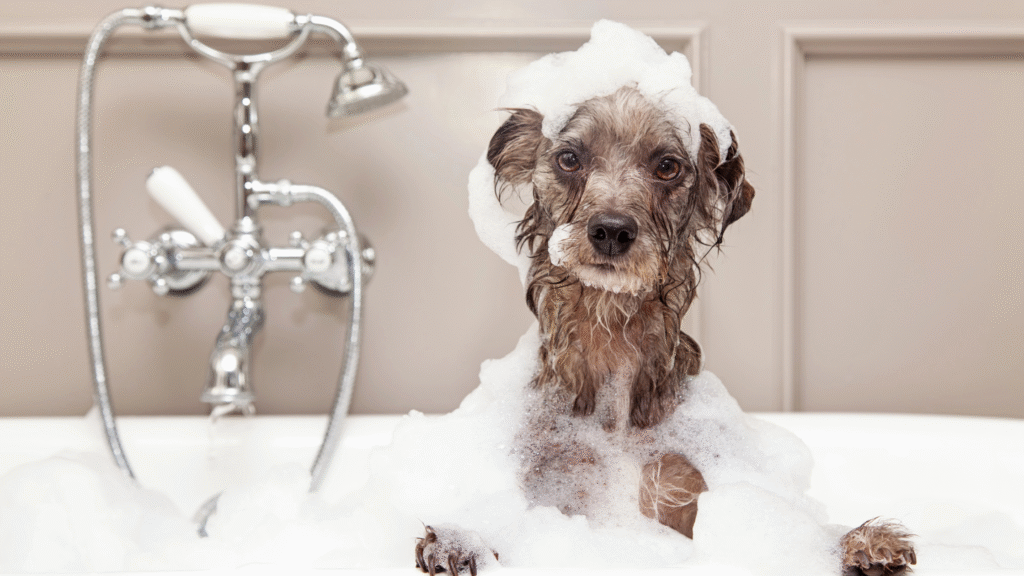
How often should i bathe my dog? Most dogs need a bath every 4–6 weeks, but the exact schedule depends on breed, coat type, age, and activity level. Over-bathing removes natural oils and leads to dry skin, while waiting too long can cause odor, matting, and irritation. Adjust your dog’s bathing schedule based on coat needs and lifestyle.
Dog Bathing Frequency by Breed
Bathing needs vary widely based on the type of coat your dog has. Each coat holds oils differently and traps different amounts of dirt. Matching the schedule to the coat keeps the skin balanced and healthy.
Short-Haired Breeds: Every 8–12 Weeks
Breeds like Beagles, Greyhounds, Pugs, and Dalmatians produce natural oils that protect the skin. Bathing too often can dry these oils and create flakiness.
Long-Haired Breeds: Every 4–6 Weeks
Shih Tzus, Yorkies, Maltese, and Afghans have higher grooming needs. Long coats trap dirt quickly and need regular baths to stay soft and clean.
Curly or Wool Coats: Every 3–4 Weeks
Poodles, Bichons, and Doodles benefit from more frequent baths. Their coats trap debris and need routine cleansing to avoid matting.
Double-Coated Breeds: Every 6–8 Weeks
Huskies, German Shepherds, Labs, and Golden Retrievers have insulating undercoats. Bathing every 6–8 weeks spaced between de-shedding sessions keeps coats fresh without drying the skin.
Hairless Breeds: Weekly
Chinese Cresteds, Xolos, and American Hairless Terriers need weekly baths to remove oil buildup. Without hair to absorb oils, skin becomes greasy fast.
Signs Your Dog Needs a Bath
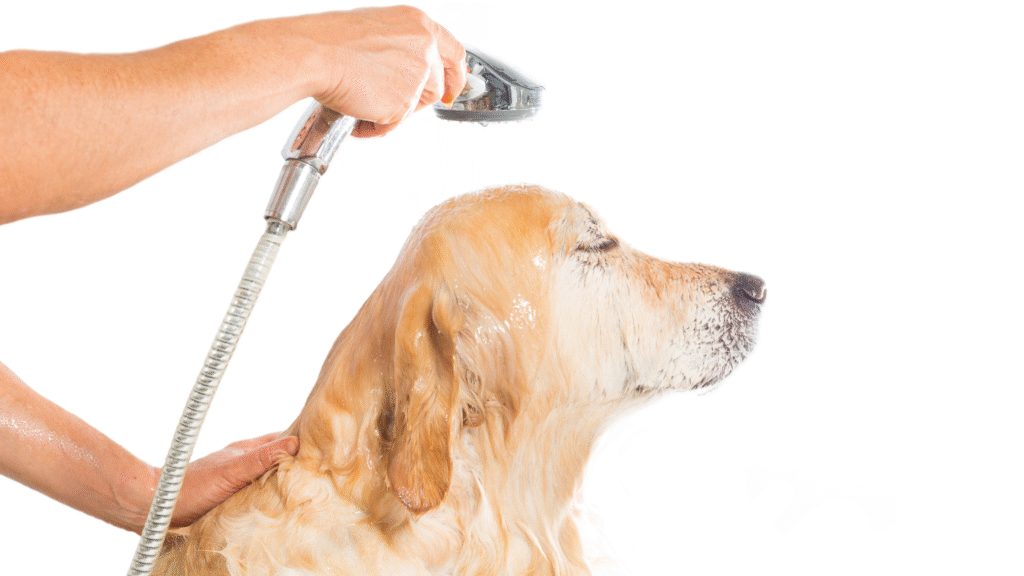
Bathing schedules vary, but certain behaviors or coat changes tell you it’s time for a wash. Dogs build up natural oils, dirt, and bacteria over time, which eventually affects scent and skin health. Paying attention to early signs helps prevent irritation and keeps your dog comfortable.
1. Strong Odor
A persistent “dog smell” often means oils and bacteria are collecting on the coat. When the odor becomes noticeable even after brushing, a bath is usually overdue. Regular grooming helps, but only a proper bath removes deeper buildup.
2. Visible Dirt or Mud
Dogs who play outside can collect mud, dust, or debris that sticks to their fur. Dirt buildup can make the coat feel rough or gritty to the touch. A bath restores softness and prevents skin irritation caused by trapped residue.
3. Skin Irritation or Scratching
Frequent scratching can indicate that the skin is dirty or clogged with debris. When oils and allergens settle on the coat, they can trigger mild discomfort. A gentle bath often brings relief and reduces itchiness.
4. Oily or Greasy Coat
Some dogs develop excess oil on their skin, which makes the fur appear shiny or sticky. This buildup can trap dirt and create a stronger odor over time. Bathing helps reset the coat and bring back a clean, balanced feel.
5. After Swimming
Chlorine, saltwater, and lake bacteria can cling to the coat after swimming. These elements may cause dryness or mild irritation if not rinsed off. A quick bath keeps skin healthy and removes unwanted residue.
6. Rolling in Something Smelly
Dogs instinctively roll in grass, dirt, or strong odors they find outdoors. These smells cling to the coat and can spread through your home. A thorough bath is the easiest way to remove them completely.
How Often to Bathe Puppies
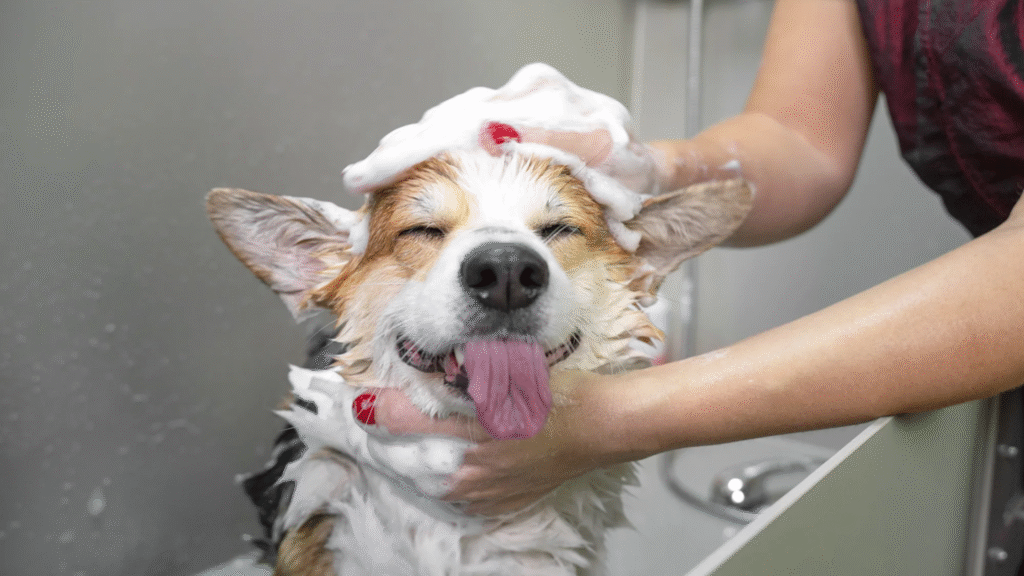
Puppies have sensitive skin that requires gentle care during early development. Their skin barrier is still forming, which makes them more prone to dryness. A proper bathing schedule keeps them clean without overstressing the skin.
Under 8 Weeks: Spot Cleaning Only
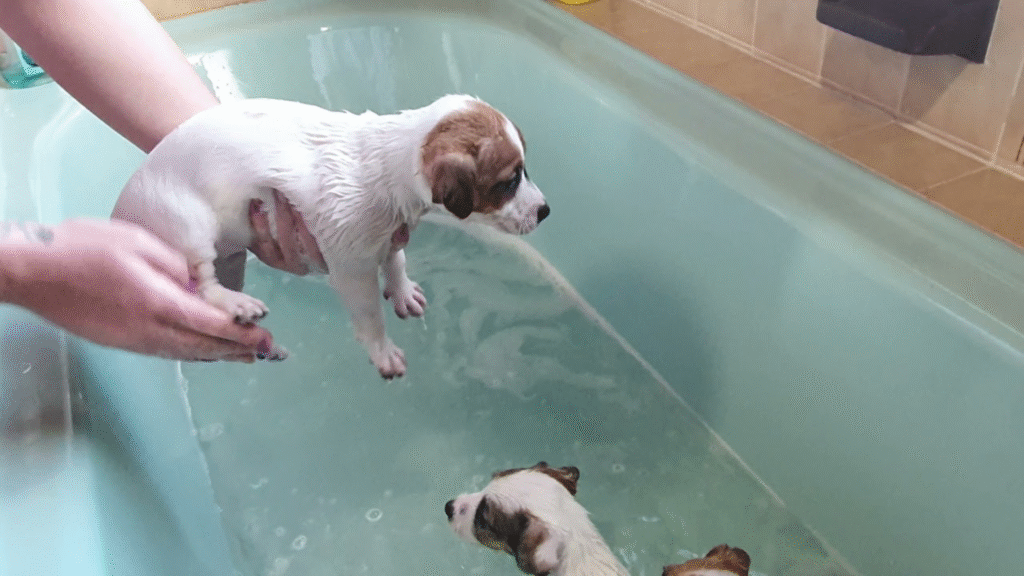
Very young puppies should not have full baths because they cannot regulate body temperature well. A soft cloth or grooming wipe removes small messes safely. Keeping them warm and dry is the priority at this stage.
8–16 Weeks: Every 4–6 Weeks
Puppies can start having light baths using a puppy-safe shampoo. Their bodies produce fewer oils, so gentle products prevent dryness. Always rinse well and dry fully to avoid chills.
4–12 Months: Every 4 Weeks
As puppies grow, they become more active and pick up dirt faster. A monthly bath helps manage odors and keeps the coat clean during this energetic stage. Use warm water and take your time to help them associate bath time with a positive experience.
Puppy Skin Considerations
Puppy skin is delicate, so mild, fragrance-free products are safest. Always dry them completely, especially during cooler weather. Short baths with warm water keep them comfortable and calm.
Factors That Affect Bath Frequency
Every dog has different needs depending on daily routine, health, and environment. Bath frequency changes as these factors shift throughout the year. Observing these influences helps you adjust the schedule correctly.
Activity Level
Active dogs who run, hike, or play outdoors often get dirtier more quickly. Their coats collect dust, pollen, and sweat, which leads to odor over time. More frequent baths help maintain a clean, healthy coat for active pets.
Indoor vs Outdoor Dogs
Indoor dogs stay cleaner and usually require fewer baths. Outdoor dogs come into contact with mud, grass, and allergens daily. Their environment naturally increases the need for regular cleaning.
Skin Conditions
Dogs with allergies, dermatitis, or yeast problems benefit from medicated baths. These conditions often require shampoos recommended by a veterinarian. Regular bathing helps soothe irritation and reduce flare-ups.
Seasonal Changes
Spring and fall bring heavier shedding and more environmental allergens. Bathing during these seasons helps remove loose hair and pollen from the coat. Adjusting frequency during seasonal changes keeps the skin balanced.
Swimming Habits
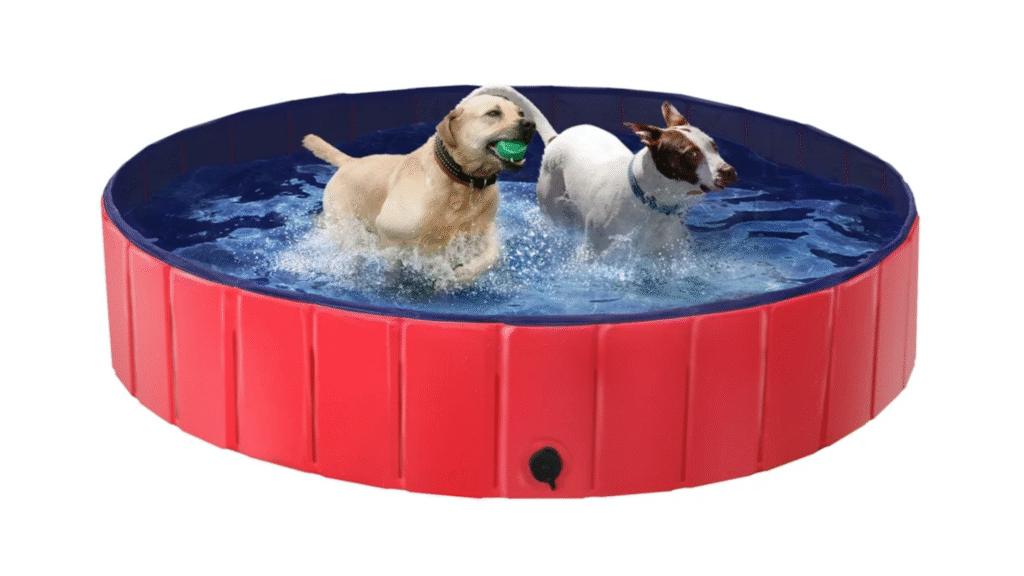
Dogs who swim frequently in lakes, pools, or the ocean may need baths more often. Water can leave residue that affects skin pH and causes mild dryness. Rinsing and bathing after swimming protect the coat and skin.
Step-by-Step Dog Bathing Guide
Bathing your dog correctly helps keep the skin comfortable and the coat shiny. Following each step ensures the process is gentle and effective. A structured routine also makes bath time easier for nervous pets.
1. Brush Before Bathing
Brushing removes tangles and loose fur, making it easier for shampoo to reach the skin. It also helps prevent mats from tightening after exposure to water. Starting with a clean, smooth coat improves the bath overall.
2. Use Lukewarm Water
Water that is too hot can irritate sensitive skin, while cold water may startle your dog. Lukewarm water keeps them comfortable and relaxed. This temperature also helps shampoo lather properly.
3. Choose the Right Shampoo
Select shampoo suited for your dog’s coat type and skin needs. Mild, dog-specific products keep the skin balanced and avoid irritation. Avoid strong fragrances or heavy chemicals that strip natural oils.
4. Massage Gently
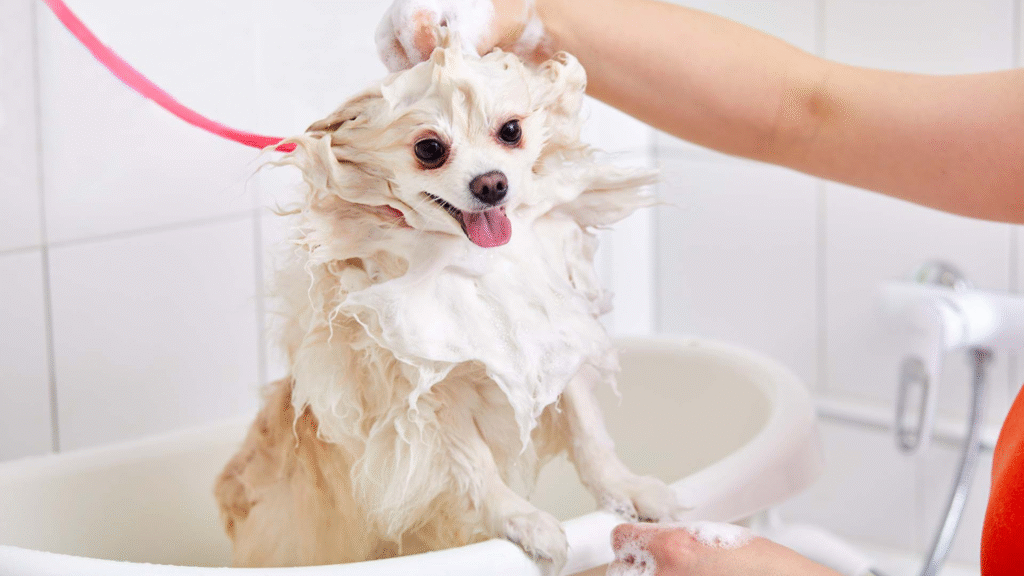
Gentle massaging spreads the shampoo evenly and removes dirt from the coat. This method also helps your dog relax during the bath. Making bathtub time calm builds positive associations over time.
5. Rinse Fully
Shampoo left on the skin can lead to flaking, itching, or mild irritation. Rinse thoroughly until the water runs clear and no bubbles remain. A clean rinse ensures the coat stays soft and healthy.
6. Dry Properly
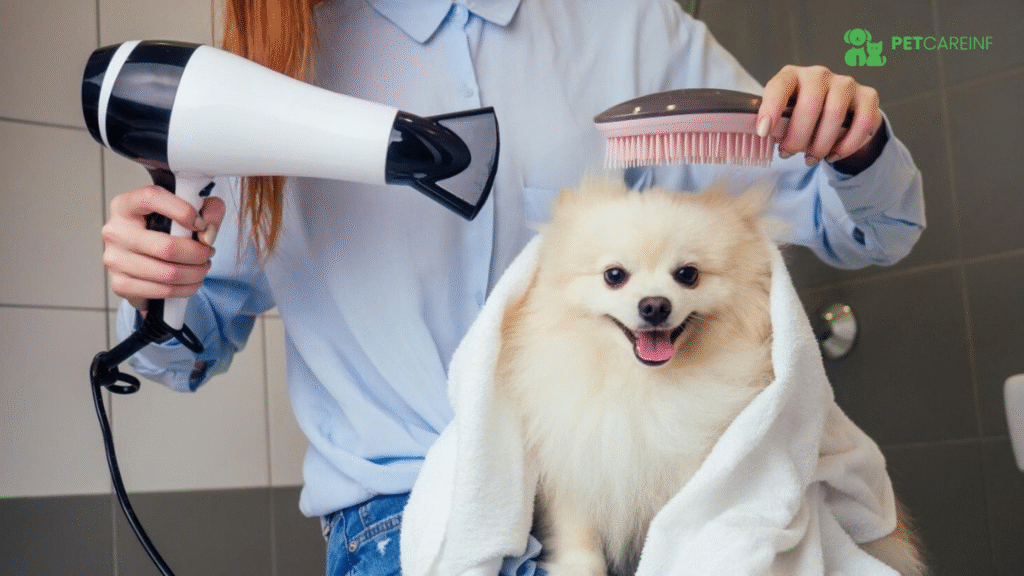
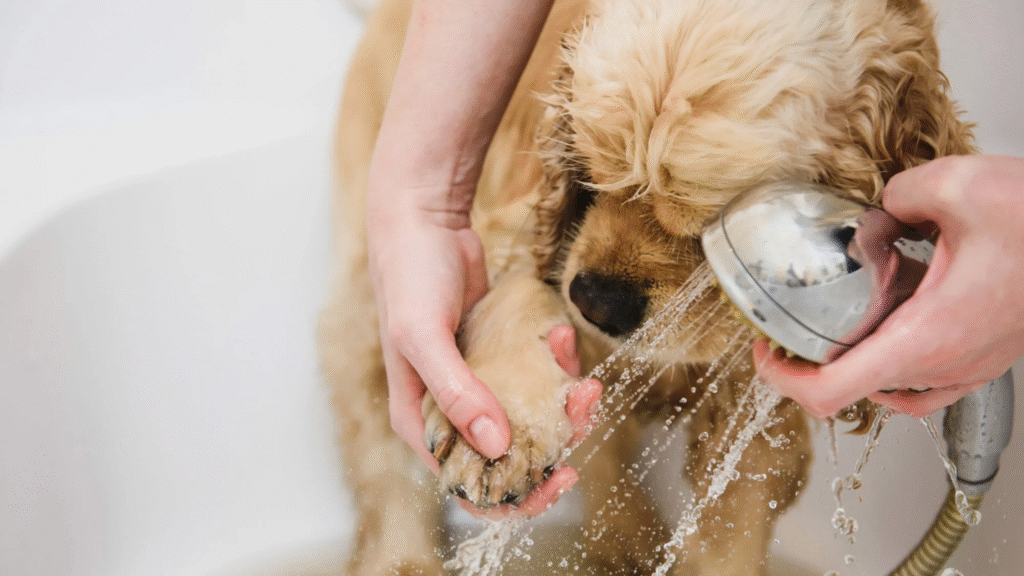
Begin with towel drying to remove surface water. Use a dryer on low heat if your dog has a dense or double coat. Fully drying prevents moisture from getting trapped and causing discomfort.
Best Dog Shampoos by Coat Type
Below is a simple comparison chart to help dog owners pick the right product.
| Coat Type | Recommended Shampoo | Key Ingredients | Why It Helps |
| Short Hair | Oatmeal-based shampoo | Colloidal oatmeal, aloe | Soothes skin, gentle cleaning |
| Long Hair | Detangling shampoo | Keratin, coconut oil | Reduces knots, softens coat |
| Curly/Wool | Moisturizing shampoo | Shea butter, vitamin E | Prevents dryness, adds moisture |
| Double Coat | Deep-clean shampoo | Hypoallergenic formula | Removes dirt trapped in undercoat |
| Hairless | Gentle cleanser | Mild surfactants | Controls oil and keeps skin clear |
Ingredients to Look For
• Oatmeal
• Aloe vera
• Coconut oil
• Vitamin E
• Hypoallergenic formulas
Ingredients to Avoid
• Artificial fragrances
• Alcohol
• Harsh sulfates
• Parabens
• Human shampoos of any kind
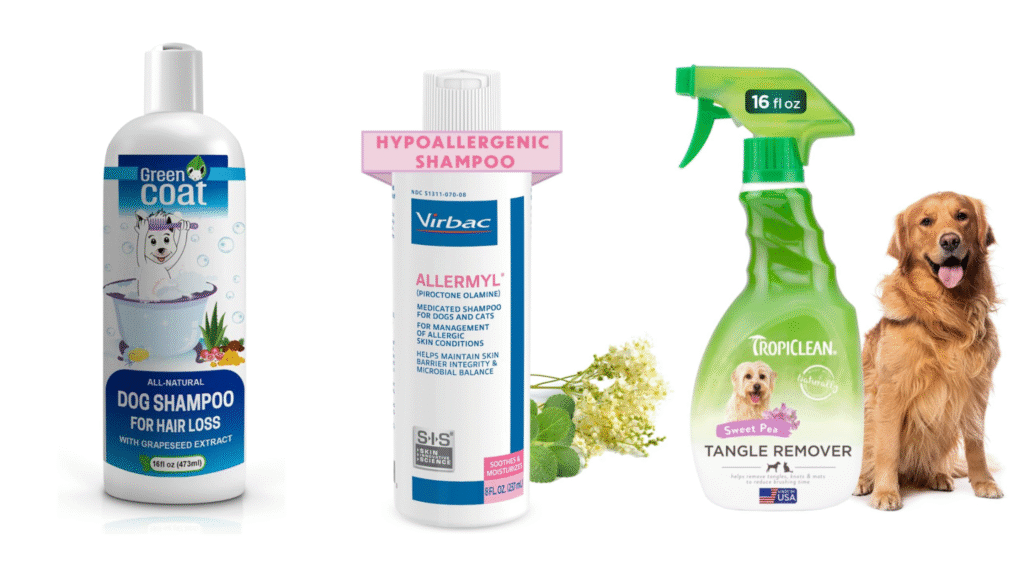
Recommended Best Dog Shampoos by Coat
- Allermyl Medicated Pet Shampoo Hypoallergenic
- TropiClean Dog Detangler Spray Dematting,
- Natural Dog Shampoo for Hair Loss with Grapeseed, Aloe & Cedarwood
Over-Bathing vs Under-Bathing
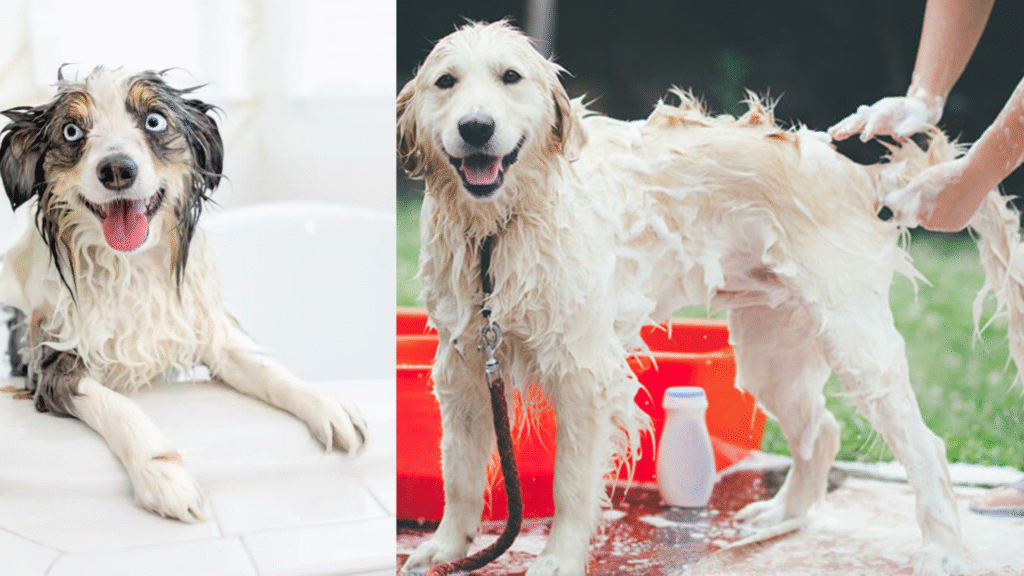
Signs of Over-Bathing
• Dry skin
• Flaky patches
• Dull coat
• Excess shedding
Signs of Under-Bathing
• Strong smell
• Matted fur
• Greasy texture
• Itching or redness
How to Find the Right Balance
Monitor your dog’s skin and coat weekly. If the coat looks healthy, soft, and clean, you’re on track. Adjust the schedule if you see dryness or buildup.
Alternative Cleaning Methods
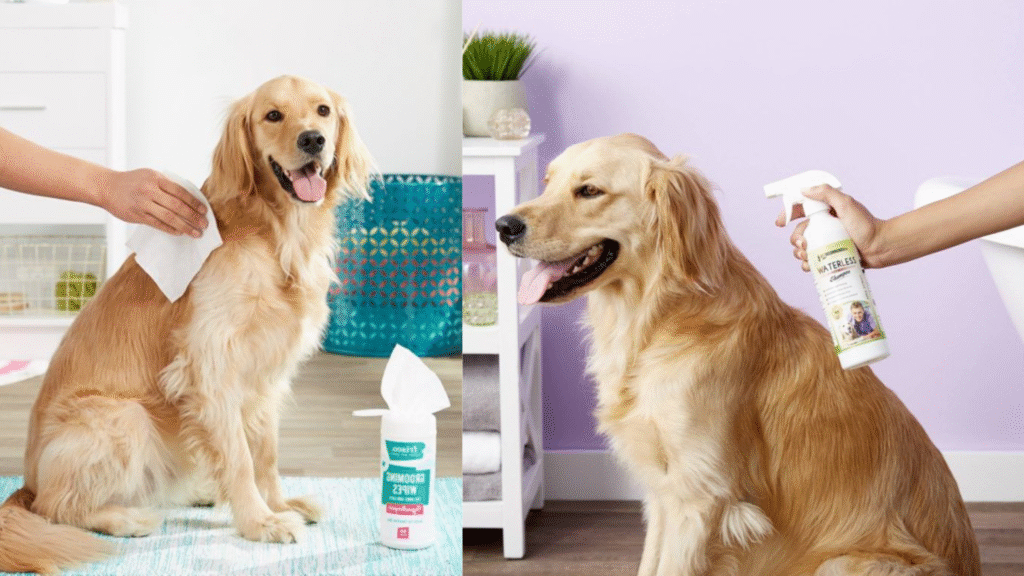
Baths aren’t always needed, especially for dogs who only need light cleaning. These simple grooming tools help keep your dog fresh between full bath sessions. They work well for quick touch-ups or busy schedules.
1. Waterless Shampoos
Waterless shampoos come in foam or spray forms that absorb dirt and refresh the coat. They’re useful for small messes or times when a full bath isn’t practical. Many formulas are gentle and quick to apply.
2. Grooming Wipes
Wipes are ideal for spot cleaning paws, bellies, and sensitive areas. They help remove light dirt and allergens after walks. Wipes are especially helpful for dogs who dislike frequent baths.
3. Dry Shampoo Sprays
Dry shampoo absorbs excess oil and freshens the coat with minimal effort. It also helps extend time between full baths for dogs with oily skin. Use sparingly to avoid residue buildup.
4. Between-Bath Maintenance
Regular brushing keeps the coat shiny and removes loose hair. Brushing also spreads natural oils that protect the skin. With consistent grooming, your dog stays cleaner for longer periods.
Frequently Asked Questions
Can I bathe my dog weekly?
Yes, but only if your dog has a coat type that genuinely needs frequent cleaning, such as hairless or oily-skinned breeds. Most dogs do not require weekly baths and may develop dryness if washed too often. If you choose weekly baths, always use a gentle, moisturizing shampoo to protect the skin barrier.
What happens if I don’t bathe my dog?
A lack of regular bathing can lead to odor, itching, and increased bacteria on the skin. Dirt and oils build up in the coat, which can trap allergens and cause mild irritation. Over time, the coat may become dull, tangled, and uncomfortable for your dog.
Can I use human shampoo on dogs?
No, human shampoos alter the natural pH of a dog’s skin and often cause dryness or irritation. Dog skin is more sensitive and needs products made specifically for canine pH levels. Always choose a dog-safe shampoo to avoid unwanted reactions.
How do I bathe a dog that hates water?
Start with slow movements and keep the environment calm to reduce stress. Offer treats or praise to create a positive association with bath time. A non-slip mat also helps your dog feel secure and prevents slipping, which often increases anxiety.
Can puppies be bathed often?
Puppies should only be bathed according to the recommended schedule for their age. Their skin is delicate and can dry out quickly if bathed too frequently. Always use mild, puppy-safe products and keep baths short to avoid discomfort.