Play Pet and enrichment are structured activities that stimulate a pet’s body and brain, promoting physical fitness, mental stimulation, and improved behavior through predictable routines and engaging challenges. This article explains how targeted play reduces anxiety, prevents destructive behaviors, and supports weight management while outlining practical activities and selection criteria for interactive toys.
Many owners struggle with pets that are bored, overweight, or anxious; evidence from current research shows that combining physical exercise with cognitive tasks improves both wellness and behavioral outcomes. You will learn why play matters, species-specific activities for dogs and cats, how to choose safe and effective toys and DIY projects, and how to build a sustainable daily play pet routine.
Why Is Play Important for Your Pet’s Physical and Behavioral Health?
Play is a multifaceted intervention that combines exercise, problem-solving, and emotional regulation to produce measurable benefits in a pet’s physical health and behavior. By engaging cardiovascular systems and muscles, play supports weight control and overall fitness, while puzzle-driven tasks activate cognition and reduce boredom-driven behaviors.
The result is lowered stress, fewer destructive incidents, and better responsiveness to training; understanding these mechanisms helps choose activities that target specific problems. The next subsection lists the key benefits and examples that illustrate how different activities map to concrete outcomes.
What Are the Key Benefits of Pet Enrichment Activities?
Pet enrichment delivers physical, cognitive, and emotional benefits by design. Physically, regular fetch and supervised outdoor play support cardiovascular health and muscle tone; mentally, puzzle feeders and scent games challenge problem-solving and prevent boredom; emotionally, predictable play pet routines reduce stress and strengthen the human–animal bond.
Recent studies and practitioner reports link enriched environments to reduced obesity rates and fewer behavior referrals to professionals, illustrating practical impact. These outcomes explain why pairing movement with mental tasks should be a routine part of care.
Different enrichment activities produce distinct results; the table below summarizes common activity types and their core outcomes.
| Activity Type | Primary Benefit | Typical Outcome |
| Puzzle feeder | Mental stimulation | Slower eating, reduced overeating |
| Scent work | Cognitive engagement | Reduced separation anxiety symptoms |
| Fetch/agility | Physical exercise | Improved weight control and endurance |
| Interactive play (wand/tug) | Emotional bonding | Decreased attention-seeking behaviors |
This summary highlights how combining activity types gives balanced benefits, and it guides selection toward specific health or behavior goals. Next we’ll examine how play pet specifically reduces anxiety and destructive behaviors.
How Does Play Reduce Anxiety and Destructive Behaviors in Pets?
Play interrupts cycles of uncontrolled energy and provides cognitive tiredness, which reduces the likelihood of anxiety-driven actions like chewing or pacing. Structured activities create predictable cues and rewards that replace frantic behaviors with learned responses, while scent and puzzle tasks occupy attention during triggers such as owner departures.
For example, graduated departure exercises paired with scent work can lessen separation anxiety by shifting focus and building confidence in alone time. Implement these mechanics safely and gradually to avoid overstimulation and to maintain positive associations with play pet.
What Are Effective Play Activities for Dogs and Cats to Boost Health?
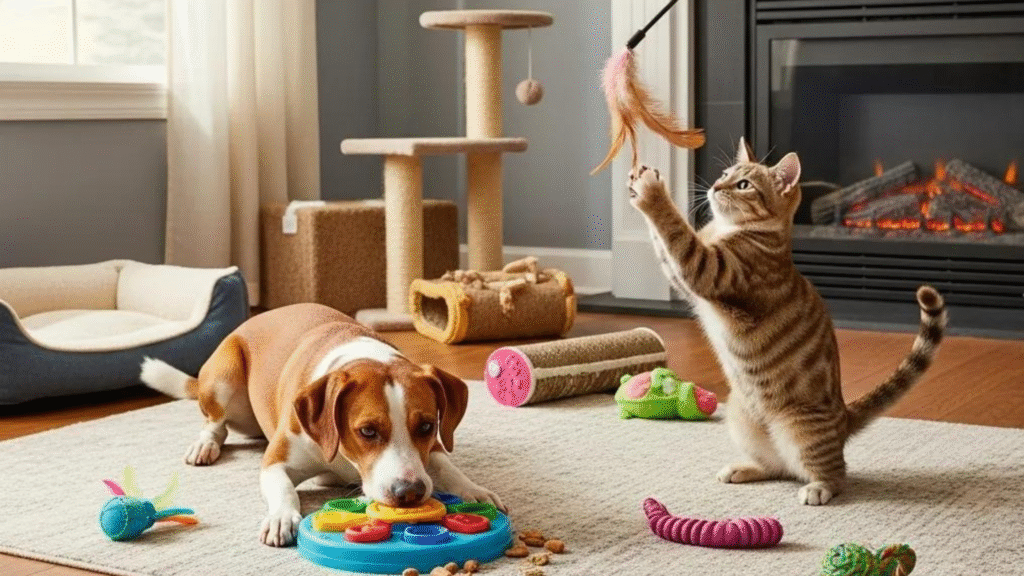
Effective play pet activities target either physical exertion, cognitive challenge, or emotional connection depending on species needs and life stage. Dogs often benefit from scent work, puzzle toys, and obedience games that combine physical effort with problem-solving, while cats respond strongly to short, high-intensity interactive sessions that mimic predatory sequences. Cross-species options like supervised outdoor exploration or enrichment walks can add variety, and rotating activities prevents habituation. The following subsections provide species-specific activity lists and quick implementation tips.
Which Mental Stimulation Activities Are Best for Dogs?
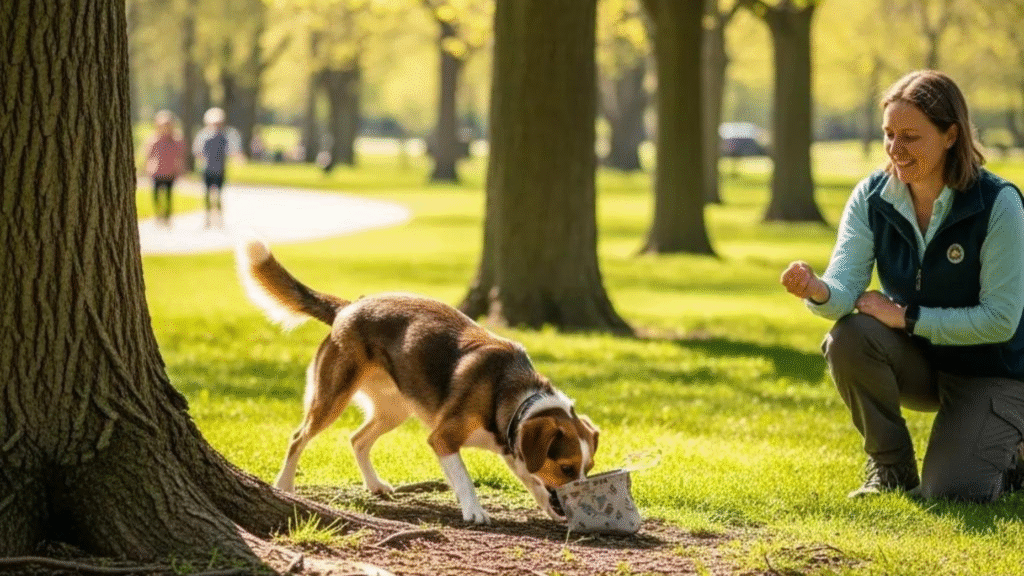
For dogs, mental stimulation commonly includes scent trails, food-dispensing puzzles, and training games that reinforce impulse control and cognitive flexibility. Begin with easy puzzle feeders, progress to multi-step scent searches, and incorporate short training games that reward problem-solving rather than repetition. Monitor for signs of frustration—pause or lower difficulty when a dog shows repeated stress signals—and increase challenge gradually to sustain engagement. These approaches strengthen focus and reduce behaviors driven by boredom and excess energy.
Research indicates that the design of interactive pet toys is evolving to meet advanced user needs through technological intelligence, with a focus on enhancing functional design and user experience.
Innovative Interactive Pet Toy Design: Enhancing Pet Enrichment and Mental Stimulation
The development of pet products has met the advanced needs of users under the trend of scientific and technological intelligence. Pet intelligent toys have gradually received attention and development, strengthening their functional design. Additionally, interactive and adaptive gaming experiences are beneficial for both humans and pets. To enhance the quality of pet toys and improve user experience, it is crucial to study and optimize how users interact with them.
The analytic hierarchy process (AHP) breaks down the overall objective into different levels and combines qualitative and quantitative analysis to make decisions. This study aims to explore the optimization method of innovative interaction pet-toy design using AHP. This paper analyses the needs of all users through questionnaire surveys and in-depth interviews. It clarifies the design elements and establishes a hierarchical analysis model of functional requirements for pet toys using the KJ method. The analytic hierarchy process is then used to calculate the weights of each index system and sort them. This provides a theoretical basis for the design of innovative interactive pet toys.
Research on Innovative Interactive Pet Toy Design Based on Analytic Hierarchy Process, 2024
What Creative Play Pet Ideas Support Cat Health and Happiness?
Cats thrive on short, frequent play sessions that replicate hunting: stalking, chasing, pouncing, and consuming a reward. Use feather wands for 5–10 minute active bouts, set up vertical spaces like shelves or perches, and offer snuffle mats or puzzle feeders to extend foraging behavior.
DIY options such as cardboard boxes, paper bags, and simple fleece snuffle mats are inexpensive and effective when supervised and refreshed regularly. Rotate toys weekly and combine physical play with puzzle feeding to keep cats mentally and physically healthy.
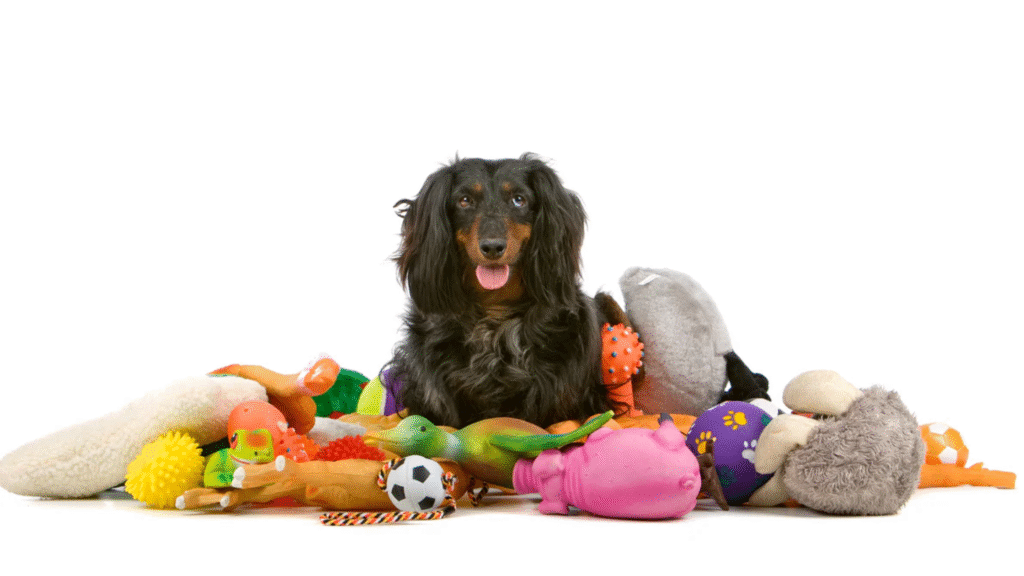
How Can You Choose the Right Interactive Toys and Play Tools for Your Pet?
Choosing the right toys depends on life stage, chewing behavior, medical conditions, and the intended enrichment goal—durability, difficulty level, and safety are the core selection criteria. A good toy matches a pet’s strength and cognitive level, is easy to clean, and contains no small detachable parts for chewers.
Understanding these attributes helps you buy wisely and create safe DIY alternatives; the checklist and table below guide choices by durability, difficulty, and age suitability. After making a selection, test new toys under supervision to confirm fit and interest.
What Factors Should You Consider Based on Pet Age and Behavior?
Age and behavior determine activity intensity and toy complexity: puppies and kittens need short, frequent sessions with teething-safe items, adults tolerate longer and harder puzzles, and seniors often prefer gentle mental tasks and low-impact play.
For high-energy breeds choose higher-durability toys and longer sessions, while seniors or injured pets should have shortened, low-impact activities that emphasize scent work or gentle puzzle feeding. Adjust session frequency and difficulty based on individual response, and consult a veterinarian for health constraints. These distinctions keep enrichment appropriate and reduce injury risk.
Which DIY Pet Enrichment Toys Can You Make at Home?
DIY toys can be cost-effective and highly customizable when built with safe materials and straightforward designs. Simple projects include a snuffle mat made from fleece strips tied to a rubber mat, a treat bottle puzzle using a cleaned plastic bottle and a few holes, and a cardboard-foraging box layered with hiding spots. Each DIY toy should be tested for loose parts, washed regularly, and retired at the first sign of wear. These projects offer low-cost enrichment that supports problem-solving and foraging instincts while allowing precise control over difficulty.
| Toy | Durability | Suitable For |
| Rubber puzzle ball | High | Heavy chewers, adult dogs |
| Fabric snuffle mat | Medium | Cats, seniors, gentle chewers |
| Feather wand | Low | Cats, supervised play |
| Treat bottle puzzle | Medium | Curious dogs and cats |
This comparison helps prioritize attributes when choosing between store-bought and homemade toys. Up next, we define practical routine timing by life stage.
How Do You Implement a Safe and Effective Play Pet Routine for Your Pet?
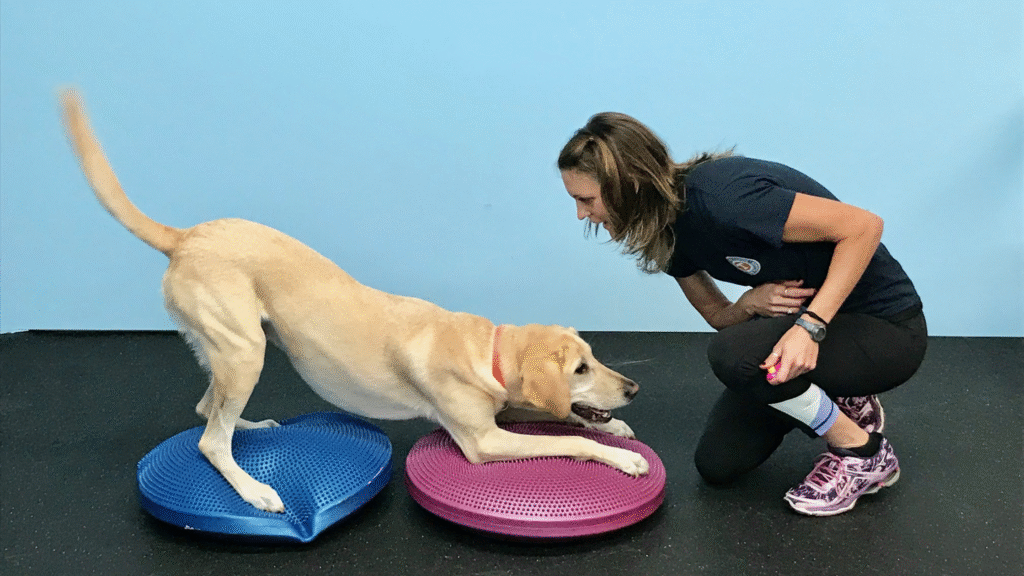
A safe, effective routine balances mental and physical play pet with clear frequency and duration tailored to life stage and health; consistency builds expectations and reduces problem behaviors. Recommended schedules mix several short sessions for cats with longer, combined sessions for dogs that include walks, training, and puzzle time. Safety practices—regular toy inspection, supervised use, and gradual difficulty progression—prevent injury and frustration while preserving engagement. The following table and lists present sample schedules and concrete safety tips to build a balanced plan.
How Often and How Long Should Play Pet Engage in Activities?
Recommended daily engagement depends on life stage: puppies and kittens need multiple short sessions totaling 30–60 minutes, adult dogs benefit from 60–90 minutes including walks and active play pet, and seniors typically require 20–60 minutes focusing on low-impact activity and cognitive tasks.
Watch for signs of overexertion such as heavy panting, limping, or sudden disengagement and reduce intensity accordingly. Gradually increase duration as fitness and interest allow; structured variability maintains motivation and supports long-term behavior change. The schedule table below gives practical starting points.
| Life Stage | Sessions / Day | Minutes / Session |
| Puppy / Kitten | 4–6 short sessions | 5–15 minutes |
| Adult Dog | 2–3 sessions | 20–45 minutes |
| Senior Pet | 2–4 gentle sessions | 10–20 minutes |
| Indoor Cat | 4–6 short sessions | 5–15 minutes |
This matrix clarifies expectations and supports gradual scaling of activity. Apply these timings while monitoring individual tolerance and progress.
What Safety Tips Ensure Healthy and Positive Play Experiences?
Safety hinges on appropriate toy selection, supervision, and hygiene to prevent choking and infection. Inspect toys weekly for loose seams or small parts, select materials suited to chewing strength, and wash fabric or puzzle feeders regularly to control bacteria.
If aggression or escalated arousal appears, pause the session and reintroduce calmer, structured interactions; consult a veterinarian or behaviorist if concerning behaviors persist. These steps preserve the benefits of enrichment while protecting physical health and emotional wellbeing.
- Inspect toys for damage before each use.
- Supervise new toys until durability is confirmed.
- Rotate and clean toys regularly to maintain interest and hygiene.
Conclusion
Engaging in structured play pet and enrichment activities is essential for enhancing your pet’s physical health, mental stimulation, and emotional well-being. By incorporating interactive toys and tailored routines, you can effectively reduce anxiety and prevent destructive behaviors, leading to a happier, healthier pet. Explore our comprehensive resources to discover the best activities and toys suited for your furry friend. Start transforming your pet’s playtime today for lasting benefits!
Frequently Asked Questions
What are some signs that my pet needs more enrichment activities?
Pets may show signs of boredom or stress when they lack sufficient enrichment activities. Common indicators include destructive behaviors, excessive barking or meowing, restlessness, and attention-seeking actions. If your pet seems disinterested in their usual toys or activities, or if they exhibit anxiety when left alone, it may be time to introduce new forms of play and mental stimulation. Regularly observing your pet’s behavior can help you identify when they need more engagement to maintain their well-being.
How can I tell if a toy is safe for my pet?
To ensure a toy is safe for your pet, consider its size, material, and durability. The toy should be appropriately sized to prevent choking hazards and made from non-toxic materials. Avoid toys with small detachable parts that could be swallowed. Additionally, inspect the toy for any signs of wear or damage before each use. Regular cleaning is also essential to prevent bacteria buildup. If a toy shows signs of deterioration, it should be replaced immediately to ensure your pet’s safety.
Can pets play together safely, and what should I consider?
Yes, pets can play together safely, but supervision is crucial. Consider their size, temperament, and play styles to ensure compatibility. For example, a large dog may unintentionally harm a small cat during play. Introduce them gradually in a controlled environment, and monitor their interactions closely. If any signs of aggression or stress appear, separate them immediately. Providing separate toys and spaces can also help prevent competition and ensure a positive play experience for both pets.
What are some low-cost enrichment options for pets?
Low-cost enrichment options for pets include DIY toys and activities that stimulate their minds and bodies. For example, you can create a snuffle mat using fleece strips tied to a rubber mat or use cardboard boxes for foraging games. Simple scent trails with treats can engage your pet’s natural instincts. Additionally, rotating existing toys and incorporating household items like paper bags or old socks can provide new experiences without significant expense. Regularly refreshing these activities keeps your pet engaged and happy.
How can I incorporate play into my pet’s daily routine?
Incorporating play into your pet’s daily routine can be achieved by scheduling short, frequent sessions throughout the day. For dogs, combine walks with interactive play, such as fetch or tug-of-war. For cats, use feather wands or laser pointers for quick bursts of activity. Aim for consistency by setting specific times for play, which helps establish a routine. Additionally, consider varying the types of activities to keep your pet engaged and prevent boredom. Always monitor their energy levels and adjust the intensity as needed.
What should I do if my pet shows signs of frustration during play?
If your pet shows signs of frustration during play, such as growling, snapping, or disengagement, it’s essential to pause the activity. Assess the situation to determine if the difficulty level is too high or if the play is overstimulating. Gradually reduce the challenge and introduce simpler tasks to rebuild their confidence. Providing breaks and allowing your pet to calm down can also help. If frustration persists, consult a veterinarian or a pet behaviorist for tailored advice to improve your pet’s play experience.