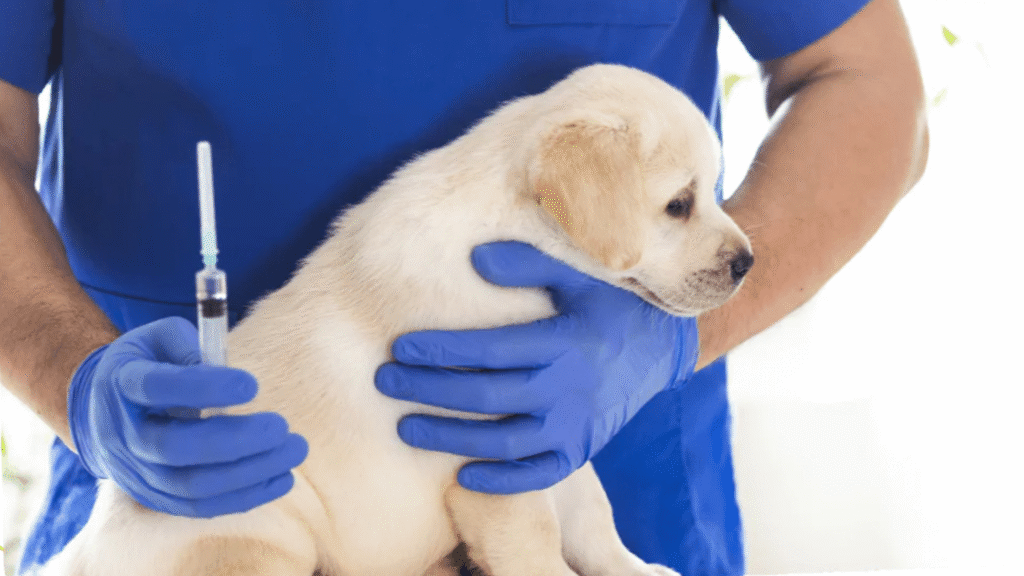
Puppies need vaccines starting at 6–8 weeks of age. Core vaccines like distemper, parvovirus, and rabies protect them from severe diseases. The basic puppy vaccination schedule follows this order: 6–8 weeks (first shot), 10–12 weeks (booster), 14–16 weeks (final booster), then yearly boosters. Staying on schedule keeps your puppy safe during their most fragile growth period.
Why Puppy Vaccines Are Critical
Puppies rely on antibodies passed from their mother, but these start dropping by 6–8 weeks. At this age, the immune system becomes weak and unable to fight infections on its own. Vaccines protect puppies from dangerous viruses while their natural defense develops.
Young dogs are highly vulnerable to diseases such as parvovirus and distemper. These illnesses spread quickly and can cause severe symptoms in a short time. Early vaccination reduces the chance of serious illness during this sensitive stage.
Vaccination also protects the wider dog community by lowering spread. This helps prevent outbreaks in neighborhoods, shelters, and parks. Vaccines safeguard not only your puppy but also other pets around them.
Rabies vaccination is required in many regions. The rabies shot ensures safety for pets and people. Staying compliant avoids legal issues and keeps public spaces protected.
Core vs Non-Core Vaccines
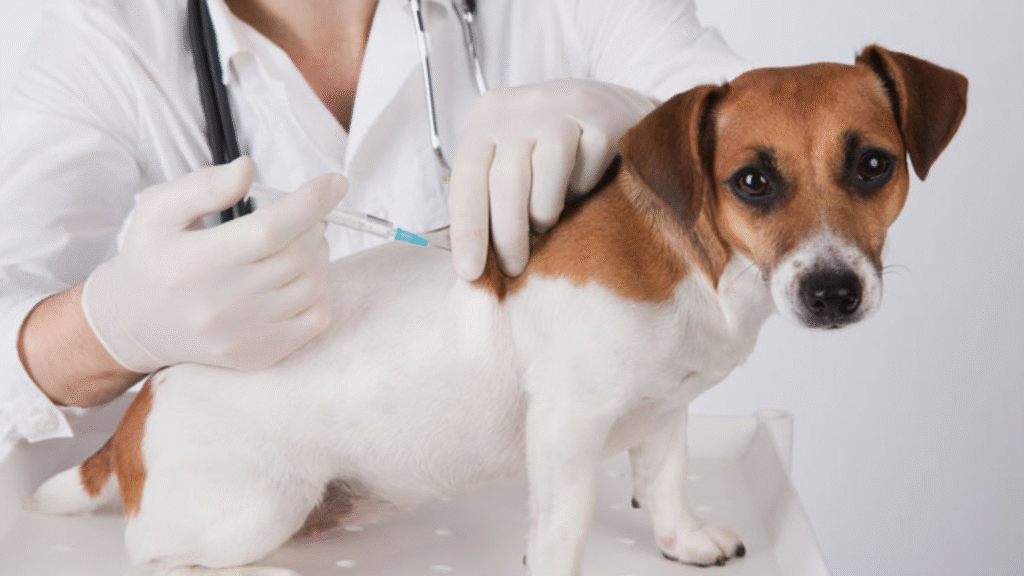
Puppy vaccines fall into two main groups. Core vaccines are needed for every dog because they prevent common and life-threatening diseases. Non-core vaccines are optional and depend on lifestyle or local risks.
Core Vaccines (Required)
These shots protect against severe illnesses found worldwide. Most vets recommend these for all puppies, regardless of breed or environment.
• Distemper
• Parvovirus
• Adenovirus (Hepatitis)
• Rabies
Core vaccines form the base of every puppy vaccine plan. They provide strong and lasting protection. Keeping these up to date is essential throughout your dog’s life.
Non-Core Vaccines (Optional)
These are given based on exposure risk, travel plans, or environment. Dogs in rural areas may need different vaccines than dogs in apartments.
• Bordetella (Kennel Cough)
• Leptospirosis
• Lyme Disease
• Canine Influenza
Vets recommend non-core vaccines when puppies interact with other dogs, visit parks, go to daycare, or live in areas with wildlife exposure. These vaccines add an extra layer of defense for active lifestyles.
Complete Vaccination Timeline (6 Weeks to 16 Months)
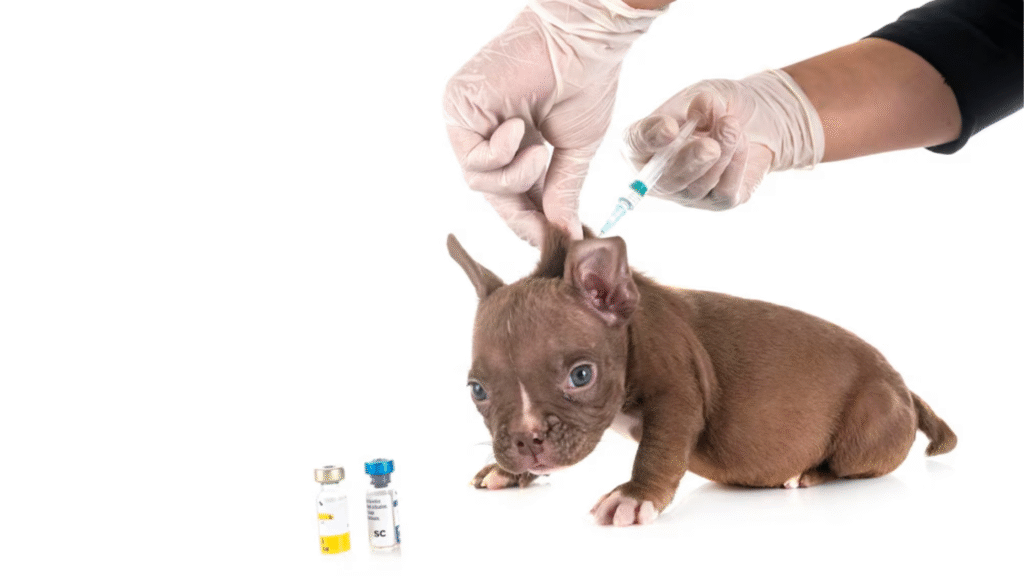
Below is the full puppy vaccination schedule followed by most veterinarians in 2026. Each stage supports the immune system as maternal antibodies fade.
6–8 Weeks: First Puppy Shot
Vaccine: DHPP
(Distemper, Hepatitis/Adenovirus, Parvovirus, Parainfluenza)
Cost: $15–30
This first vaccine begins the foundation of immunity. It protects puppies from infections they may encounter as they socialize. Early vaccination is key for puppies coming from shelters or breeders.
10–12 Weeks: Booster Shot
Vaccine: DHPP booster
Optional: Bordetella, Leptospirosis
Cost: $20–40
The booster builds on the first dose and increases immunity strength. Puppies at this age may start short social visits in controlled environments. Optional vaccines are helpful for dogs who spend time outdoors or near other animals.
14–16 Weeks: Final Puppy Booster
Vaccine: DHPP final booster
Vaccine: Rabies (required by law)
Cost: $25–50
This is the final stage of the initial puppy series. Rabies vaccination becomes mandatory in many regions at this time. After this point, most puppies are safe to visit parks, meet other pets, and enjoy outdoor activities.
12–16 Months: First-Year Boosters
Vaccine: DHPP annual booster
Vaccine: Rabies booster (1-year or 3-year option)
These boosters lock in long-term immunity. They help maintain a stable defense through adulthood. After the first year, your dog may continue with boosters every 1–3 years depending on your vet’s advice.
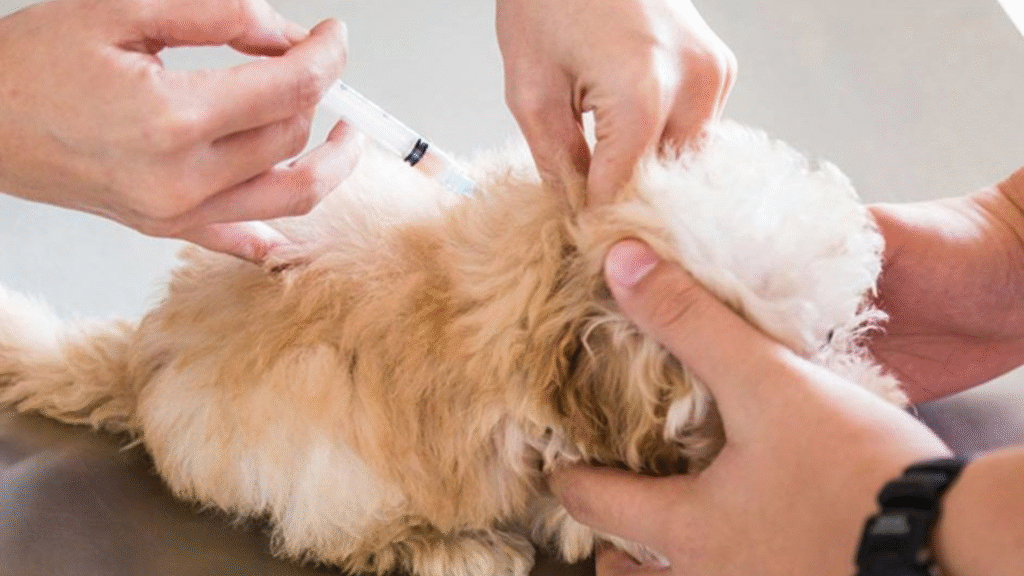
Printable Puppy Vaccination Chart (2026)
| Puppy Age | Vaccine | Protects Against | Common Side Effects |
| 6–8 Weeks | DHPP | Distemper, Hepatitis, Parvo, Parainfluenza | Mild soreness, sleepiness |
| 10–12 Weeks | DHPP + Optional | Same as above + Bordetella/Lepto | Low fever, reduced appetite |
| 14–16 Weeks | DHPP + Rabies | Core diseases + Rabies | Swelling at injection site |
| 12–16 Months | DHPP + Rabies | Long-term immunity | Mild fatigue |
Side Effects and What’s Normal
Most puppies handle vaccines well with only mild reactions. These effects usually fade within 24–48 hours. Light soreness or increased sleepiness is typical after a vet visit.
Normal reactions include a low-grade fever or reduced appetite. Puppies may prefer quiet rest as their body builds immunity. These symptoms improve naturally without treatment.
More serious reactions are rare but require immediate attention. Signs such as vomiting, hives, or breathing difficulty may indicate an allergy. Call your vet right away if any severe symptoms appear.
To comfort your puppy, offer a warm blanket and keep activity levels low. Avoid touching the injection area and allow your dog to rest. Fresh water and a calm environment help recovery.
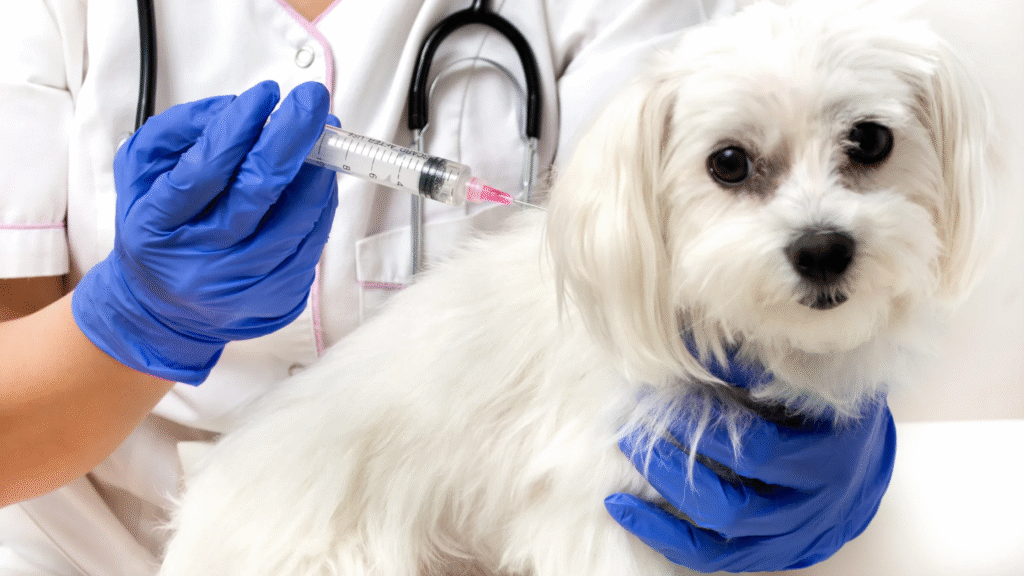
Cost Breakdown by Region
The price of puppy vaccines varies depending on location, clinic type, and additional services. The national average for a full puppy vaccination series ranges from $75 to $200. Urban clinics may charge more than rural areas due to higher operating costs.
Low-cost clinics and local shelters often provide discounted vaccines. These events help new pet owners keep dogs protected without financial strain. Many communities offer monthly vaccine days at reduced prices.
Pet insurance plans may include vaccine coverage in wellness add-ons. These plans typically cover routine shots, exams, and occasional boosters. Checking policy details early helps manage long-term expenses.
What Happens If You Miss Vaccines
Missing a scheduled shot delays immunity and increases health risks. In some cases, the vaccine timeline must be adjusted to rebuild protection. Young puppies are especially sensitive to gaps in coverage.
If the delay is short, your vet may continue the puppy vaccination schedule as normal. Longer delays sometimes require restarting certain vaccines. A quick consultation helps determine the safest path forward.
Delaying shots leaves puppies vulnerable to diseases found in parks, sidewalks, and shared spaces. Staying consistent reduces these risks and supports a smooth transition to adulthood.
Vaccination Requirements by Situation
Many public or shared spaces have specific vaccination rules. Keeping your puppy current ensures safe entry and reduces disease spread.
Boarding Kennels
Kennels require rabies, DHPP, and often Bordetella. These vaccines protect pets in shared spaces.
Dog Daycare
Most daycares ask for proof of DHPP, Bordetella, and sometimes influenza. Frequent interaction increases exposure.
Grooming Salons
Groomers often require rabies and DHPP before accepting appointments. This protects both pets and staff.
Dog Parks
Rabies and DHPP are strongly recommended. Parks carry high bacteria levels from shared ground.
Air Travel
Airlines require proof of rabies and sometimes additional vaccine documents. Travel rules vary by destination.
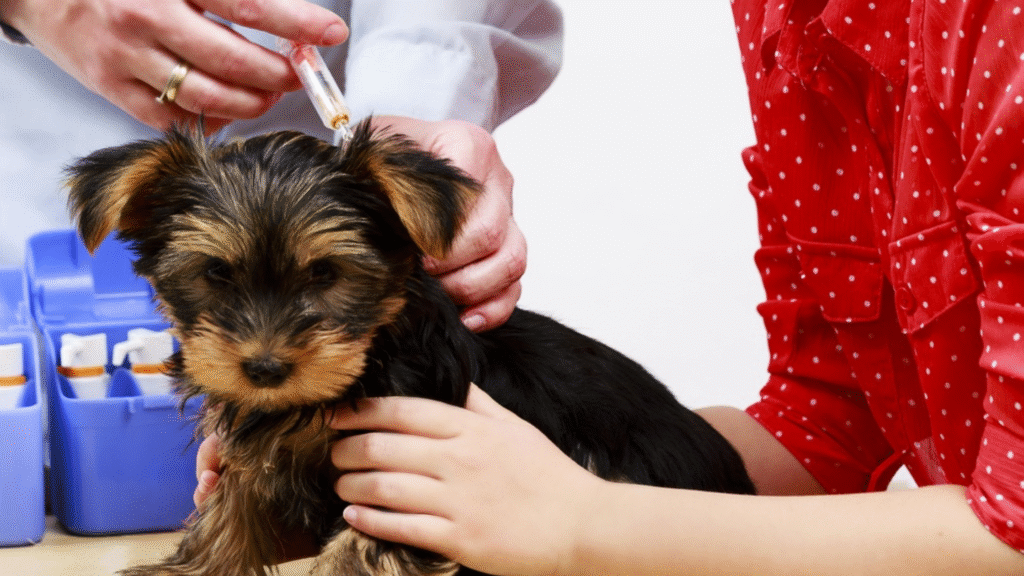
Frequently Asked Questions
Can puppies go outside before all shots?
Short, controlled outings in safe areas are usually fine. Avoid parks and places with unknown dogs until vaccines are complete. Early socialization is important but must be done carefully.
Are puppy vaccines 100% effective?
Vaccines greatly reduce the risk of serious illness but do not eliminate it entirely. Completing the full series improves protection. Boosters keep immunity steady throughout adulthood.
Can I vaccinate my puppy myself?
At-home vaccines exist, but vet-administered shots are safer and more reliable. Vets confirm correct dosage and monitor reactions. Rabies shots must be given by a licensed professional.
What if my puppy misses a booster?
Contact your vet to adjust the puppy vaccination schedule. Short delays are manageable, but longer gaps may require restarting certain vaccines. Timely boosters help maintain strong immunity.