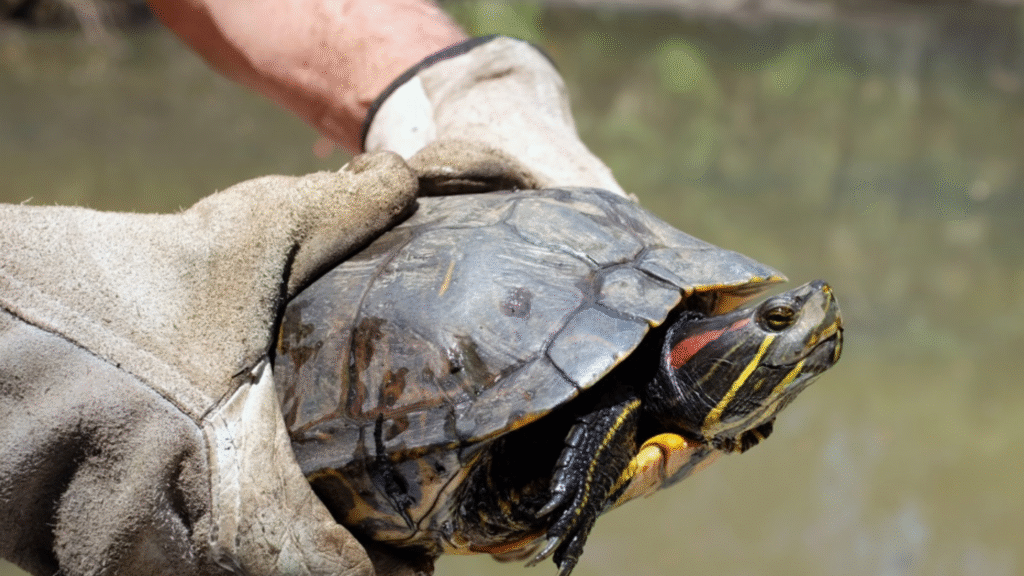
Red-eared sliders (Trachemys scripta elegans) are a popular semi-aquatic pet that require specific habitat, nutrition, and maintenance to thrive. Proper red eared slider turtle care prevents common illnesses, supports healthy growth, and reduces stress-related behaviors, which together extend lifespan and improve welfare. This guide explains how to set up an appropriate tank, balance juvenile and adult diets, recognize and prevent common diseases, and follow a practical cleaning and monitoring routine.
Readers will find clear specifications for tank size, temperature and lighting, feeding schedules by life stage, quick symptom checklists for conditions like metabolic bone disease and shell rot, and step-by-step daily, weekly, and monthly maintenance. Throughout, this article uses current research-based recommendations and semantic clarity to help new and experienced keepers build a safe, enriching environment for their slider.
What Are the Ideal Habitat Requirements for a Red Eared Slider Turtle?
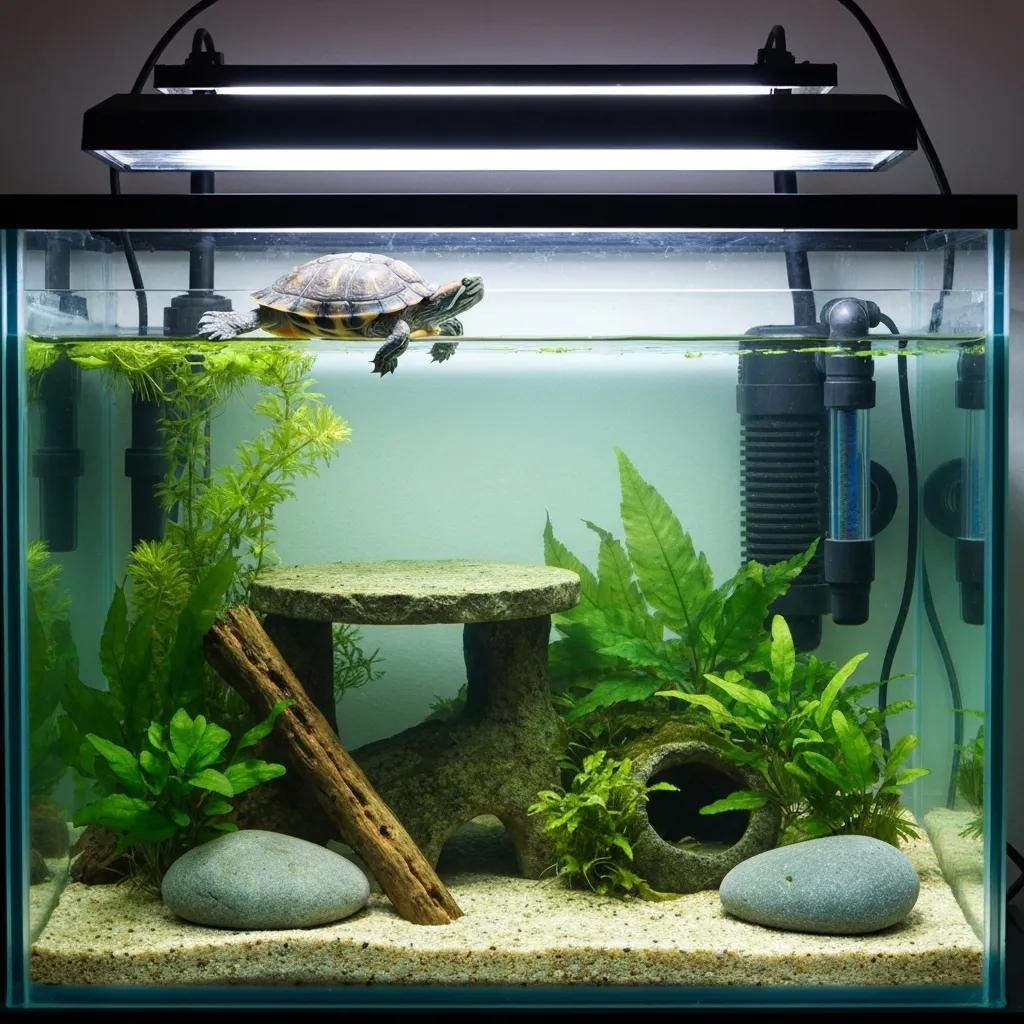
An ideal habitat for a red-eared slider combines adequate water volume, efficient filtration, a dry basking platform, and UVB lighting to support shell and bone health. These elements work together because water quality controls pathogens, filtration removes high waste loads, basking allows thermoregulation and digestion, and UVB enables vitamin D3 synthesis for calcium uptake.
Setting each component correctly reduces disease risk and supports natural behaviors like swimming and basking. Below are concise, snippet-ready habitat facts followed by a reference table that summarizes key specifications for quick setup.
- Tank size guideline: 10 gallons per inch of shell length as a minimum rule of thumb for long-term housing.
- Water depth: at least 1.5–2× shell length so sliders can swim but still surface easily.
- Filtration: robust canister or large-capacity filters to handle heavy bioloads.
- Basking area: stable platform with easy ramp access and non-abrasive surface.
- Lighting: full-spectrum UVB plus a heat lamp positioned to create a basking gradient.
This quick list highlights primary habitat priorities and sets up the more detailed sizing and equipment guidance below.
Different tank and environment specifications summarized for reference:
| Tank Element | Specification | Practical Value |
| Minimum tank size | 10 gallons per inch of shell length | Ensures adequate swim space and growth allowance |
| Water depth | 1.5–2× shell length | Allows natural swimming and surfacing |
| Basking temperature | 90–95°F (32–35°C) | Supports digestion and drying of shell |
| Water temperature | 75–80°F (24–27°C) | Maintains metabolic health and activity |
| Filtration | Canister or high-flow external filter | Manages turtle waste and reduces ammonia buildup |
How Large Should a Red Eared Slider Tank Be?
Tank sizing follows a simple rule: provide at least 10 gallons per inch of adult shell length to allow natural movement and reduce stress. This metric works because sliders are active swimmers whose muscle and shell growth demands more water volume than many other pets; inadequate volume concentrates waste and impairs oxygen exchange.
For example, a 6-inch juvenile needs a minimum of 60 gallons as a long-term home, while many adults do better in 75–100+ gallon systems. Owners with limited space can use temporary smaller enclosures for brief periods but should plan for a full-size aquarium as the turtle grows.
Practical tip: prioritize horizontal swim area over decorative substrate to maximize usable volume and make cleaning easier. Providing extra room also reduces aggressive interactions if housing more than one turtle and supports normal activity levels.
What Are the Best Filtration and Lighting Options for Their Habitat?
Choose filtration and lighting that match the slider’s high waste output and UVB needs; both are essential for preventing disease and promoting bone health. Canister filters typically offer superior mechanical and biological filtration compared with small internal units, handling larger flow rates and biological media for nitrification.
For lighting, use a broad-spectrum UVB tube or specialized reptile bulb mounted over the basking site to deliver consistent UV index and support vitamin D3 synthesis. Position the heat lamp to create a basking gradient while keeping UVB and heat sources safely above the platform.
- Filter maintenance: clean pre-filters weekly and deep-clean media monthly to preserve beneficial bacteria.
- Bulb replacement: replace UVB bulbs per manufacturer timelines (typically 6–12 months) even if light remains visible.
- Placement: mount lights so turtles cannot touch bulbs and maintain recommended distance for effective UV exposure.
UV Lighting Guide for Reptiles and Amphibians: UV-Tool
Guidance is almost non-existent as to suitable levels of UV lighting for reptiles and amphibians, or how to achieve satisfactory UV gradients using artificial lighting. The UV-Tool is a working document that seeks to address this problem, by considering the range of UV experienced by each species in the wild. The UV-Tool contains an editable and expanding database of the microhabitat requirements and basking behaviour of reptile and amphibian species, as derived from field studies, or inferred from observed behaviour in captivity.
Since an animal’s UV-B exposure is determined by its behaviour within its native microhabitat, estimation of its natural range of daily UV-B exposure is then possible. The current version of the UV-Tool assigns 254 species to each of four ‘zones’ of UV-B exposure (Ferguson zones) based upon UV-index measurements. Once the likely UV requirement of any species of reptile or amphibian is ascertained, the next step is to plan safe but effective UV
How much UVB does my reptile need? The UV-Tool, a guide to the selection of UV lighting for reptiles and amphibians in captivity., 2016
How Should You Feed a Red Eared Slider Turtle for Healthy Growth?
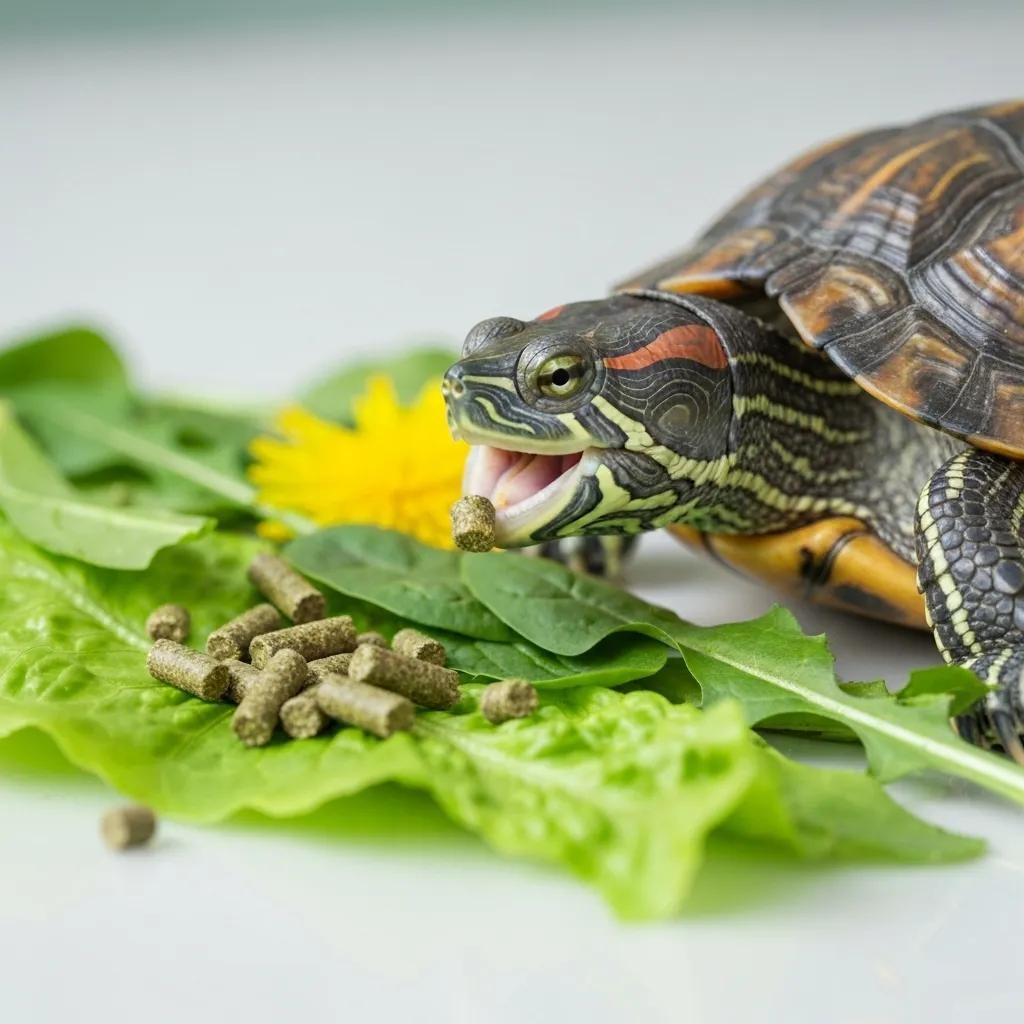
Feeding a red-eared slider requires life-stage adjustments and a mix of commercial and fresh foods to provide balanced protein, vitamins, and calcium. Juveniles need protein-rich diets to support rapid growth, while adults benefit from a shift toward more vegetables and aquatic plants to reduce metabolic strain. Proper supplementation of calcium and controlled vitamin D3 exposure via UVB lighting prevents metabolic bone disease. The following table compares recommended foods and feeding frequency by life stage and a short list highlights safe items and supplements.
| Life Stage | Recommended Foods | Frequency |
| Juvenile | High-quality commercial turtle pellets, live/frozen protein (insects, fish), occasional leafy greens | Daily, small meals to satiation |
| Subadult | Pellets, more plant matter, occasional protein treats | Every 1–2 days, portion-controlled |
| Adult | Primarily leafy greens, aquatic plants, pellets as supplement, occasional protein | Every 2–3 days, smaller portions |
What Is the Difference Between Juvenile and Adult Diets?
Juveniles require higher protein ratios to support rapid shell and tissue growth, which is why commercially formulated pellets and occasional live protein are staples early on. Protein fuels cellular growth and repair, but excessive long-term protein in adults can stress kidneys and promote shell deformities. As turtles reach maturity, increase leafy greens and plant-based foods while reducing high-protein treats to balance calcium-to-phosphorus ratios. Monitoring weight and shell development provides feedback on dietary adequacy.
Transition feeding gradually over weeks, offering incremental increases in vegetable content to allow digestive adaptation and reduce refusal of new foods.
Which Foods and Supplements Are Safe and Recommended?
Safe core foods include commercial pellets formulated for aquatic turtles, a variety of leafy greens (e.g., romaine, collard), and occasional protein sources like feeder fish or insects in moderation. Avoid high-oxalate vegetables (such as spinach and beet greens) and processed human foods that interfere with mineral absorption. Use calcium supplementation—powdered calcium dusted on foods or cuttlebone in the habitat—to maintain shell mineralization, and ensure UVB lighting provides natural vitamin D3 synthesis rather than relying solely on oral D3. Prepare fresh foods with thorough washing and remove uneaten items promptly to maintain water quality.
- Supplement tip: apply calcium to 1–2 feedings per week for adults and more frequently for growing juveniles as recommended by reptile nutrition guidelines.
What Are Common Health Issues in Red Eared Sliders and How Can You Prevent Them?
Common conditions include metabolic bone disease (MBD), shell rot, respiratory infections, and parasitic or bacterial issues that emerge from poor habitat or nutrition. Each condition links directly to environmental factors: UVB and calcium deficits lead to MBD, dirty water and abrasions predispose to shell rot, and low water temperatures promote respiratory problems. Early recognition and corrective husbandry often resolve mild issues, while clear red flags require veterinary care. The short troubleshooting table below helps owners triage symptoms and take immediate preventive actions.
- Keep in mind that Salmonella is a zoonotic risk associated with turtles; strict handwashing after handling and careful food hygiene reduce transmission risk.
- Routine observation and record-keeping of appetite, activity, and shell condition enable early intervention before conditions progress.
| Condition | Key Symptoms | Prevention / Immediate Actions |
| Metabolic Bone Disease (MBD) | Soft or deformed shell, tremors, lethargy | Ensure UVB, calcium supplementation, raise basking temps; seek vet if severe |
| Shell Rot | Discolored spots, pitting, foul odor | Improve water quality, isolate injured turtle, clean and consult vet |
| Respiratory Infection | Wheezing, open-mouth breathing, mucus | Increase ambient temps to ideal range, improve sanitation, veterinary antibiotics if needed |
What Symptoms Indicate Metabolic Bone Disease or Shell Problems?
Visible signs of MBD include soft or misshapen shells, reluctance to move, and reduced muscle tone, which stem from chronic calcium or UVB deficiency and signal an urgent husbandry review. Shell rot typically appears as soft, discolored, or odorous patches that may worsen into deep lesions if left untreated, and these lesions often originate from prolonged exposure to contaminated water or physical injury. Owners should watch for changes during handling and regular basking observations because early external signs allow prompt corrective steps. When red flags such as severe shell softening, inability to swim, or systemic lethargy occur, seek a reptile veterinarian promptly.
Addressing the root husbandry cause—improving lighting, diet, and water hygiene—is essential to successful recovery and prevention.
How Does Proper Habitat and Diet Help Prevent Illness?
Adequate UVB lighting and a calcium-rich diet directly prevent MBD by enabling vitamin D3-dependent calcium absorption, which in turn supports normal shell mineralization and bone strength. Clean water and sufficient filtration reduce bacterial and fungal loads that cause shell and skin infections, and maintaining correct water and basking temperatures prevents immune suppression and respiratory issues. Balanced feeds and appropriate supplementation sustain immune function and growth without overloading organs. Implementing these husbandry measures consistently forms the primary defense against the most common red-eared slider diseases.
Routine checks and incremental habitat improvements are often enough to prevent recurring problems and support long-term turtle vitality.
How Do You Maintain Daily Care and Cleanliness for a Red Eared Slider Turtle?
Daily care focuses on feeding management, spot-cleaning waste, and observation for abnormal behaviors or signs of illness, while weekly and monthly tasks handle water changes, filter maintenance, and deeper cleaning. A structured schedule minimizes pathogen buildup and preserves stable water chemistry, which is critical because turtles generate substantial waste and are sensitive to ammonia and nitrite. Use the checklist and schedule below to maintain consistent hygiene and monitor temperature and water parameters.
The following step-by-step cleaning schedule provides a copyable routine to keep the habitat healthy and reduce disease risk.
- Daily: Remove uneaten food and feces, check basking and water temperatures, observe turtle behavior.
- Weekly: Perform a ~25% water change, rinse mechanical filter components, and test water for ammonia/nitrite/nitrate.
- Monthly: Deep-clean the tank decorations and substrate as needed, replace or deep-clean filter media per manufacturer guidance.
What Is the Recommended Cleaning Schedule for Tank and Water?
A consistent cleaning cadence prevents toxic spikes and keeps the environment comfortable for red-eared sliders, beginning with daily spot-cleaning to remove solids and ending with monthly deep maintenance to address biofilm and substrate buildup. Daily removal of waste limits ammonia production and reduces pathogen exposure, while weekly partial water changes and filter checks maintain nitrification efficiency. Monthly deep-cleaning should avoid sterilizing beneficial media—use gentle rinses and stagger full media replacements to preserve bacterial colonies. Keep a log of tests and changes to identify trends that need corrective action.
This preventative maintenance reduces emergency trips to the vet and supports long-term turtle vitality.
How Can You Monitor and Manage Water Temperature and Quality?
Accurate thermometers and reliable submersible heaters help maintain target water temperatures of 75–80°F (24–27°C) and basking temperatures of 90–95°F (32–35°C), which are essential because temperature directly influences digestion, immunity, and activity. Place thermometers in both the water column and the basking area to monitor gradients, and check readings daily to catch heater failures early.
Test water weekly for ammonia, nitrite, and nitrate and act immediately on any detectable ammonia or nitrite results by increasing water changes and reviewing filtration. Consistent monitoring combined with prompt corrective steps prevents stress-related illnesses and supports steady growth.
Keeping simple testing tools and a temperature log gives owners confidence and early warning of problems.
Conclusion
Providing optimal care for your red-eared slider turtle ensures a healthy, vibrant life by meeting their habitat, dietary, and health needs. By implementing the guidelines outlined in this guide, you can create a thriving environment that minimizes disease risk and promotes natural behaviors. Regular maintenance and observation are key to long-term success, allowing you to enjoy the companionship of your turtle for years to come. Start enhancing your turtle’s life today by exploring our additional resources and products tailored for red-eared slider care.
Frequently Asked Questions
What is the lifespan of a red-eared slider turtle in captivity?
Red-eared slider turtles can live for 20 to 40 years in captivity, provided they receive proper care. Factors such as habitat quality, diet, and health management significantly influence their lifespan. Regular veterinary check-ups, a balanced diet rich in calcium and vitamins, and a clean, well-maintained environment are essential for promoting longevity. Many owners report their turtles living well into their 30s with attentive care, making them a long-term commitment for pet enthusiasts.
Can red-eared sliders be kept with other turtle species?
While red-eared sliders can sometimes coexist with other turtle species, it is generally not recommended due to potential aggression and territorial behavior. Different species may have varying habitat and dietary needs, which can complicate care. If you choose to house multiple turtles, ensure that the tank is large enough to provide adequate space and hiding spots to minimize stress and aggression. Always monitor interactions closely to prevent injuries.
How often should I take my red-eared slider to the vet?
It is advisable to take your red-eared slider to the veterinarian at least once a year for a wellness check-up. Regular veterinary visits help catch potential health issues early, such as respiratory infections or shell problems. If you notice any changes in behavior, appetite, or physical condition, schedule an appointment sooner. A vet experienced with reptiles can provide tailored advice on diet, habitat, and preventive care to ensure your turtle remains healthy.
What should I do if my turtle is not eating?
If your red-eared slider is not eating, first check for environmental factors such as water temperature, cleanliness, and stressors in their habitat. Ensure that the water temperature is within the recommended range and that the tank is clean. Offer a variety of foods, including different types of greens and protein sources, to entice them. If the lack of appetite persists for more than a few days, consult a veterinarian to rule out underlying health issues.
How can I tell if my red-eared slider is healthy?
A healthy red-eared slider will exhibit active behavior, a clear and bright eye appearance, and a firm, well-shaped shell. Regular basking and swimming are good signs of vitality. Monitor their eating habits, as a consistent appetite is crucial. Additionally, check for any unusual signs such as lethargy, swelling, or discoloration of the shell or skin. Keeping a log of their behavior and health can help you identify any changes that may require attention.
What is the best way to introduce a new turtle to an existing one?
Introducing a new turtle to an existing one should be done gradually to minimize stress and aggression. Start by keeping them in separate tanks but allow them to see and smell each other. After a week or two, you can try a supervised introduction in a neutral space. Monitor their interactions closely, and be prepared to separate them if aggression occurs. Ensure both turtles have ample space and hiding spots to retreat to if needed.