Among the behaviors exhibited by dogs as a sign of dog anxiety is excessive barking, destructive chewing, pacing, trembling, and restlessness. Some of them are most often separation, high noise levels, new surroundings, and previous trauma. Such calming methods include behavioral training and exercise, supplement, pheromone diffusers, and anxiety vests.
What Is Dog Anxiety?
Stress response Dog anxiety is a psychological reaction to stress that is demonstrated through behavior, mood, and bodily reactions. It happens when the dogs are expecting to be in danger or are uncertain about what is going on. Anxiety is some level that many dogs undergo at various stages of life and when there is a shift in the environment or routine.
Dogs have three major forms of anxiety. Separation anxiety is a condition that arises when a dog is stressed when left alone. Anxiety related to fear can be caused by loud noises, strangers or unexpected changes. In old age, anxiety is manifested in the elderly dogs as the cognitive deteriorates.
The way dogs handle the feeling of anxiety is not the same as it is in humans. They are not able to use words to show they are afraid, so it is the body language that will play the central role. The knowledge of these cues will assist the owners to react more promptly and avoid the aggravation of behaviors.
15 Signs Your Dog Has Anxiety
Ages, personality, and the environment make dogs an anxious animal in a number of ways. There are some signs of anxiety in dogs that are not noticeable and there are those that develop abruptly whenever a person is under pressure. Being able to detect such behaviors will make you respond promptly before the dog anxiety high gear.
1. Excessive Barking or Whining
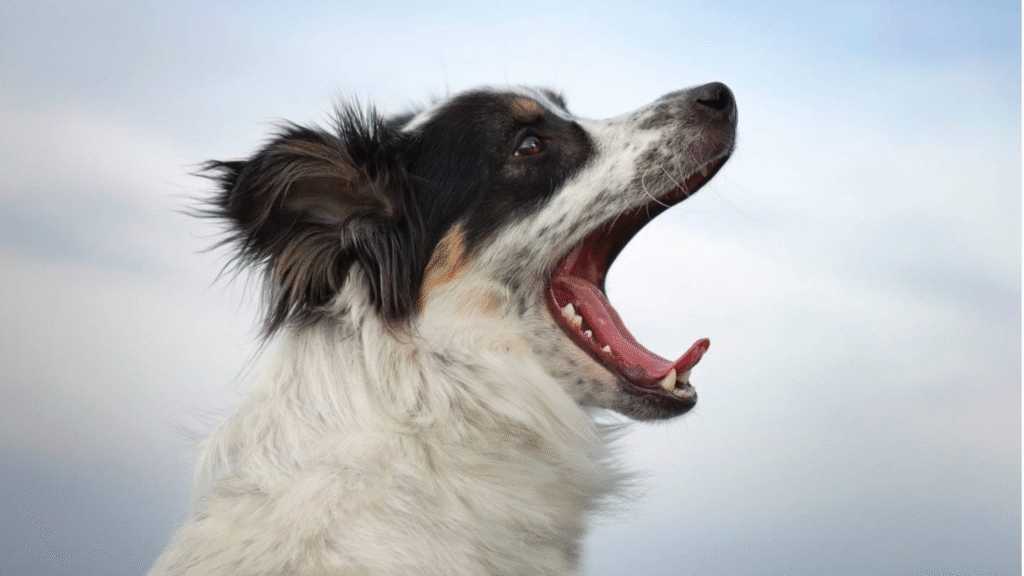
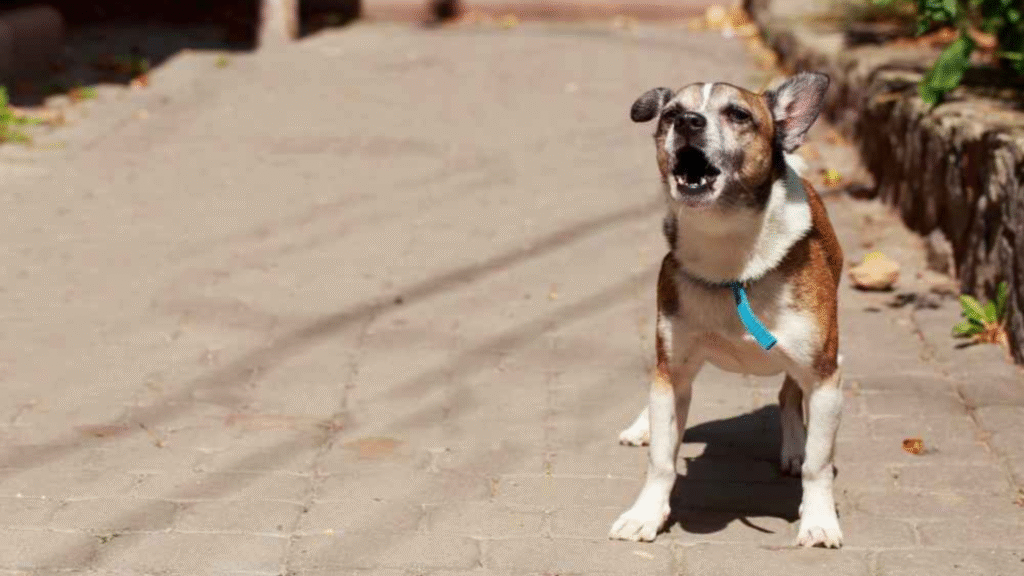
Incessant whining or barking is a symptom of distress or insecurity. Dogs can either speak when alone or when they feel that something alarming is going on. Unless this is treated with calming patterns, it may aggravate the behavior.
2. Destructive Chewing
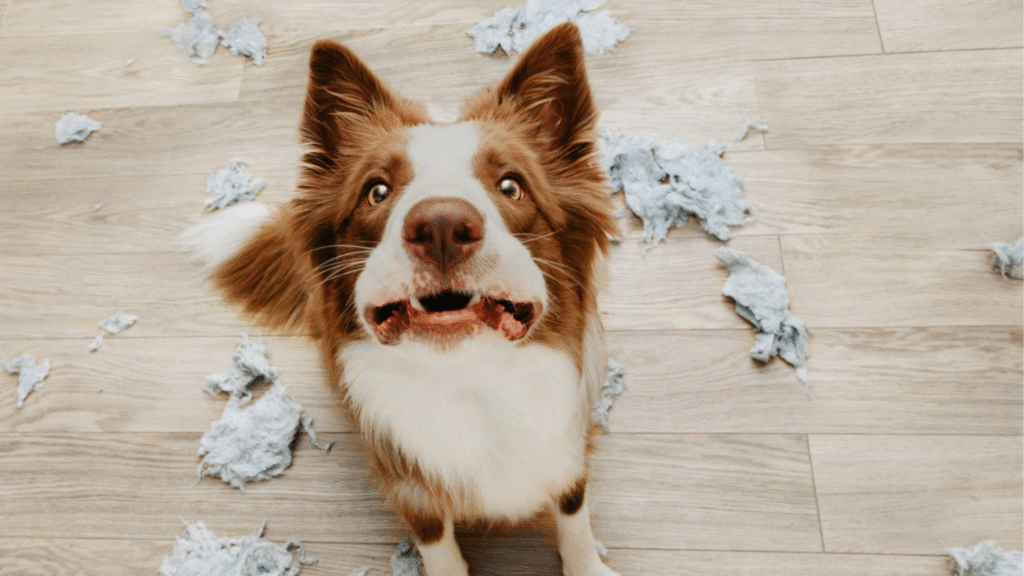
Coping mechanisms may include chewing of furniture, shoes or door frames. When dogs are overwhelmed, dogs relieve this tension by chewing. In case this occurs at the time of your departure, the problem might be the separation dog anxiety.
3. Pacing or Restlessness
Dogs can take their walks around the house aimlessly or circling about. This is an indication of stress that they cannot rest. During thunderstorms or fireworks people tend to become restless.
4. Trembling or Shaking
Shaking is usually an expression of fear or uncertainty. It may occur when a person is at the vets, riding a car, or in a noisy situation. There are dogs who are trembling and shaking.
5. Hiding or Cowering
When dogs are nervous they can run under the beds, behind the furniture, or to the dark places. This concealment offers a feeling of security against the threats. It is more common in panic anxiety.
6. Excessive Licking or Drooling
There are dogs that also lick their feet or their bodies to calm themselves in times of stress. Drooling can also be intensified during anxious states. In case of constant licking, it can cause skin irritation.
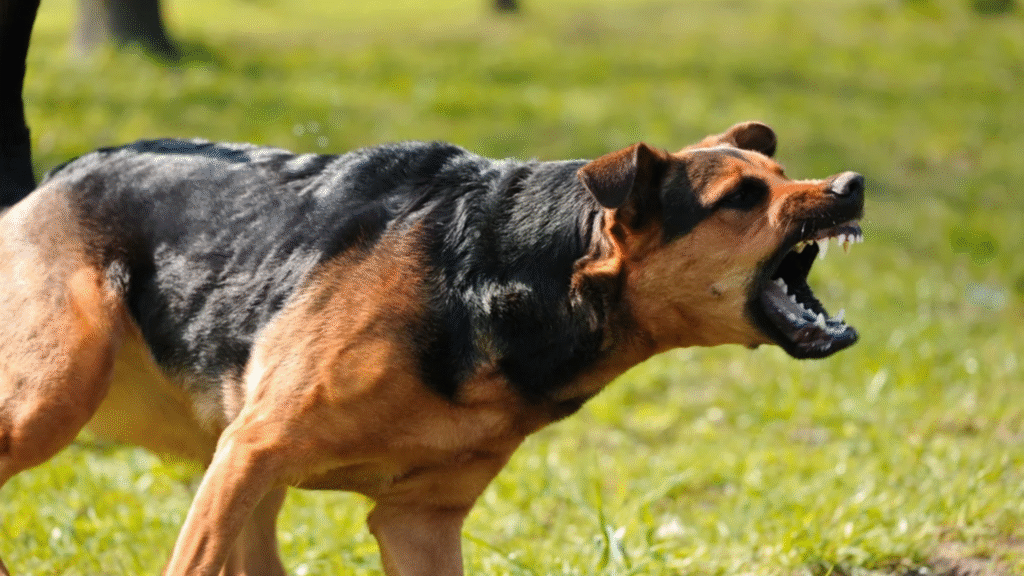
7. Aggression
A frightened dog will either growl, snap or display teeth when it is trapped or overwhelmed. This violence is actually a self-defense mechanism and not necessarily animosity. Knowledge of the trigger would aid in avoiding escalation.
8. House Soiling Despite Training
Even the house trained dogs can have accidents in the house when they are anxious. Stress influences the ability to control the bladder and may interfere with the usual habits. This is mostly experienced in times of anxiety on separation.
9. Loss of Appetite
Dogs can reject food in case they are overwhelmed or unsafe. Fear makes it impossible to digest and lacks pleasure in eating. Loss of appetite may be an indication of emotional distress.
10. Attempting to Escape
There are those dogs that attempt to escape through scratching doors and tunneling under fences or pushing through holes. Such attempts of escape demonstrate panic in the stressing situations. Separation anxiety is a recurring behavior of dogs.
11. Panting When Not Hot
Breathing fast or panting as a result of stress, which is not a result of physical activity. The body attempts to get rid of strain by taking more oxygen. This usually occurs with noises of high intensity or with travelling.
12. Dilated Pupils
The enlargement of the pupil is a direct expression of fear. It demonstrates that their body is getting ready to take some stressful situation. This symptom tends to go hand in hand with other nervous behaviors.
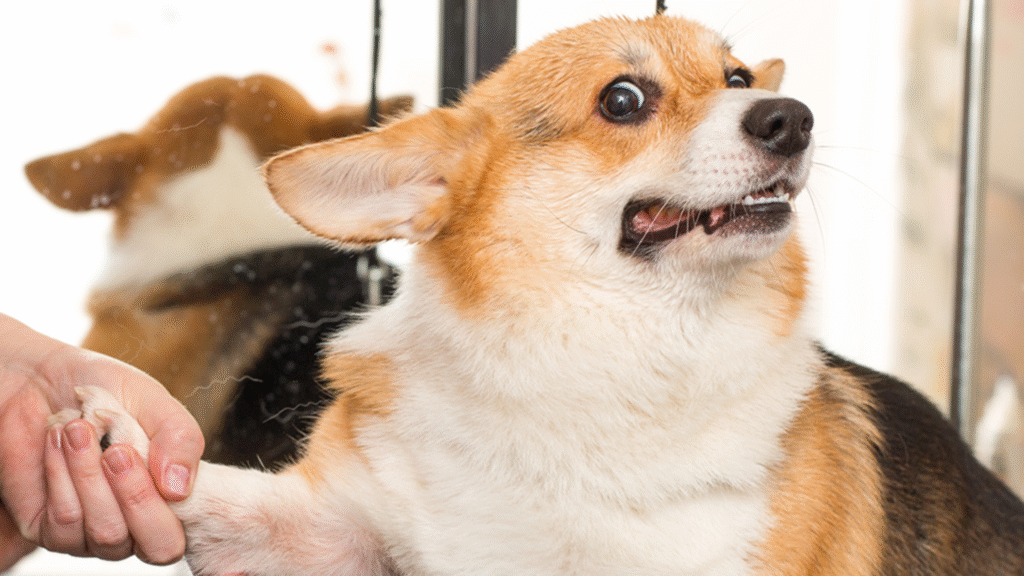
13. Pinned Ears
Hold back ears are a sign of uneasiness or lack of confidence. When dogs are not known what to do with their surroundings, they do this. It is observable in either mild or severe anxiety.
14. Tail Tucked Between Legs
Fear and low confidence are depicted through a tucked tail. Dogs adopt this position when encountering some overwhelming stimuli. It appears coupled with trembling or hiding a lot of times.
15. Refusing to Be Alone
Dogs can be with their masters everywhere and fear to be alone. Such clinginess usually results in complete separation anxiety. Early training is a way of avoiding this dependency.
Common Causes of Dog Anxiety
Dogs may be anxious because of environmental and biological reasons. Knowing the cause of the problem enables you to adopt the correct method of calmness. There are numerous reasons associated with childhood experiences.
Separation From Owner
The last major trigger of dog anxiety is being left alone. Dogs are also very connected and could panic when they feel that the connection is interfered with. Puppies are more sensitive at a tender age.
Loud Noises
Many dogs are overwhelmed with thunder, fireworks, alarms, and sounds of constructions. These noises cause fear reactions that take a long time before they fade away. Certain dogs are found to be noise sensitive in the long run.
New Environments or People
Changing of homes or encountering strangers or going to places that are not familiar may lead to stress. Dogs require time to acclimatize to new environment. Progressive exposure assists in the development of confidence.
Vet Visits or Car Rides
There are dogs that relate these activities with pain. The fear is caused by some past experiences or smell. Tolerance is enhanced through gentle treatment and positive reinforcement.
Past Trauma or Abuse
Rescue dogs can be burdened with some emotional scars in the previous life. Such experiences define their reaction to stress. The trust is built with the help of additional patience and patient training.
Lack of Socialization
Those dogs that were not introduced to the new sights and sounds at an earlier age, could develop fear in later life. Dogs learn how to deal with new circumstances through proper socialization. The early start reduces the risk of anxiety.
Medical Conditions
Dog anxiety can be imitated by pain, hormone problems or neurological problems. A vet check will help to exclude physical causes. Correct diagnosis is the key to the correct treatment.
Separation Anxiety Specifically
One of the most usual behavioral issues in dogs is separation anxiety. It manifests itself when a dog is left very troubled by itself. This kind of dog anxiety usually results in the formation of vicious habits and endless talking.
Some dogs are more prone to separation anxiety. Dogs that have single primary caregivers, breeds that get along well and rescue dogs are likely to have more pronounced responses. When unsupervised, early signs of anxiety in dogs are the barking, chewing as well as the soiling of houses.
Separation anxiety can be formed when there is a significant transition like a relocation, change in the schedule or rehoming. Puppies that are abandoned too abruptly have difficulties adjusting. The gradual independence training averts this behavior.
Confidence is developed by training the puppies to be able to stay long enough by themselves. Begin with short and relaxed walks and gradually extend the period. It is a strategy to minimize dependency and promote good autonomy.
12 Proven Calming Solutions
Dogs also do not respond to how to calm anxious dog techniques in the same way, and thus use the options that suit your dog and its needs. A combination of training, environment adaptation, and supportive products represent the best results to many of the owners.
1. Behavioral Training
The behavioral training assists the dogs to acquire new responses to stressful stimuli. In Desensitization the reaction is reduced by gradually exposing the dog to the cause of anxiety. The exposure in stages makes them calm down in time.
Counter-conditioning relates stressful events with a positive thing. In case of a thunder, say, by giving the dog a treat, the dog will learn to associate the sound to something comfortable. This repetition will always give rise to new emotional patterns.
Anxious dogs can also be assisted through the use of crate training provided they are done in a gentle manner. A cage is a safe environment and dogs feel safe. It must never be a disciplinary place, it must always be a pleasant place.
2. Exercise and Mental Stimulation
Exercise lowers stress and wastes unnecessary energy associated with anxiety. The 30-60-minute routine daily can achieve the consistency of behavior. Fetch games and long walks as well as play keep the mind on track.
The puzzle toys can stimulate the brain and eliminate boredom. The most basic tasks like snuffle mats or balls that dispense treats provide a mental activity. Training helps in strengthening communication and building confidence.
Constant stimulation helps to avoid the accumulation of dog anxiety during the day. A weary body and mind result in relaxed demeanor. Regular practices are the most significant
3. Calming Supplements
The supplements are useful to aid in relaxation in time of stress. Most of the relaxing products contain soft ingredients like L-theanine, chamomile, and melatonin. Most dogs feel comfortable when fed on these ingredients without feeling drowsy.
Another popular one is CBD oil in dogs. It can be used to relieve stress and contribute to a balanced behavior in case of responsibility. Take always as advised by the veterinarian.
Use supplements gradually and observe the response of your dog. There are those dogs that are better within few days, and others might require constant use. Select the items that are specifically designed for dogs.
4. Anxiety Vests and Wraps
Anxiety vests cause mild pressure over the torso. The regular compression usually soothes the dogs. The process is similar to the use of weighted blankets by human beings.
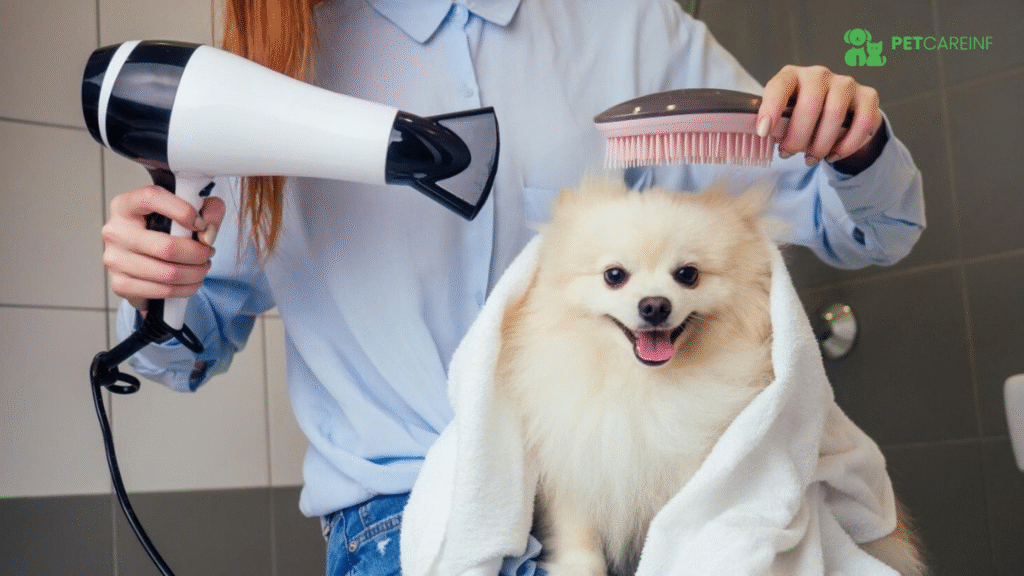
Thundershirt is one of the most popular products. Most dogs demonstrate a more relaxed attitude towards storms or traveling when in it. It should be presented at the time of calmness to ensure that the dog identifies it with comfort.
Wear vests when in predictable circumstances like fireworks, car rides, or grooming. They are more effective in combination with general relaxation exercises. There are those that the dogs react as soon as they are used, whereas others require repetition.
5. Calming Music and White Noise
The soft frequencies also assist in mostration of stress through maskation of sudden sounds. The music that is targeted at dogs tends to use slow rhythms that help them to relax. There are numerous playlists devoted to the comfort of dogs.
White noise machines are devices that develop a constant background noise. This can be used to prevent unexpected distractions such as traffic or construction. Dogs usually relax better when they hear the same audio.
The use of soothing sounds when events that cause stress occur teaches the dogs that they are in a safe environment. It gets integrated into a calming ritual that they can count on. It is an easy and successful approach to a large number of households.
6. Pheromone Diffusers
Some of the products like Adaptil secrete synthetic pheromones that resemble the natural soothing cues of mother dogs. They are odorless and indoor safe. A lot of owners can observe a slight change in the behavior of their dogs.
The effect of pheromones is to make the environment familiar and reassuring. They assist in relieving stress at the time of transition or stress. Results of studies indicate positive results of dogs in mild anxiety.
There are collars, sprays and diffusers. Both possibilities have 24/7 support of nervous dogs. They should be applied consistently within the same location of the house.
7. Safe Space Creation
The cool and relaxing environment will assist dogs to withdraw during the stressful situations. Select a room or an area that is not near windows and noises. Low lighting and soft bedding introduce the feeling of security.
The use of recognizable smell, a blanket or your garments, makes it even more personal. Familiar smells to the dogs make them relax more. Ensuring that this space is clean makes them feel relaxed.
Fear based anxiety is particularly susceptible to safe spaces. Dogs are taught that they can get out of overwhelming situations without panicking. This turns out to be a reliable haven over time.
8. Routine and Structure
Dogs enjoy repetitive schedules. Uncertainty is minimized by regular feeding times, walks and sleep schedules. This predictability reduces stress as it gives dogs a feeling of control.
Organized days eliminate unpredictable transitions, which can bring fear. They remain stable when they are aware in advance what is coming. Minor modifications are not a big deal provided that the main routine remains the same.
Having a plain, everyday schedule can be of significant difference. Anxious dogs have the advantage of consistent schedules that help in the provision of emotional safety. Routine is among the most convenient relaxation techniques.
9. Professional Training
There are certain cases which require the assistance of a professional trainer or behaviorist. These professionals find triggers and develop individual training programs. Their instructions accelerate the advancement of anxiety once it begins to be difficult.
Certifications and experience with anxious dogs are some of the attributes to consider when hiring a trainer. It is necessary to be patient and friendly. The improvement schedule will depend on the past of the dog.
Exercising with a trainer provides techniques to manage dog anxiety in the long run. They instruct behavioral modification and techniques of communicating with owners. Various owners experience gradual enhancement within a few weeks.
10. Medication (Vet-Prescribed)
In severe anxiety, medication might be required. Depending on the symptoms, vets can recommend short term or long term prescriptions. These drugs assist the dogs to work more comfortably during training in as far as it is concerned.
The usual choices are SSRIs, benzodiazepines, and other relaxing drugs. Depending on age and health, your veterinarian will select the safest alternative. It is also necessary to monitor to make the dosage adjustments.
Drug use must be accompanied by behavioral techniques. It offers dogs a base on which they acquire new coping skills. Patient communication is the key to safe use.
11. Natural Remedies
Supporting relaxation can be achieved with the help of gentle interventions such as lavender aromatherapy. Light massage also assists in the reduction of tension and the bonding. Other owners administer valerian root but this should be guided by the vet.
Mild general anxiety can be treated using natural approaches. They may be used along with systematic practices in order to achieve more regular outcomes. Never implement remedies abruptly so that you can see how your dog reacts to them.
These soft techniques bring relief in the face of daily stressors. They assist in the establishment of a relaxing ambience that is helpful to the dog in the long-run. Natural cures represent a gentle initial step prior to the use of more powerful ones.
12. Avoid Punishment
Punishment or scolding of an anxious dog will increase symptoms. Dogs fail to associate punishment with the reason that they fear. This causes confusion and emotional strain.
Good reinforcement promotes a more relaxed behavior. Small achievements should be rewarded which would create confidence and trust. Soft direction assists dogs in learning fearlessly.
Punishment should be avoided to provide a conducive environment. Dogs are in their best mood when they are secure and comprehended. The practice enhances the human-animal relationship.
Product Recommendations (Neutral Overview)
Below is a simple comparison table with real product names and neutral descriptions. These are commonly used by dog owners for anxiety support.
| Product | Type | Pros | Cons | Price Range |
| Thundershirt | Compression vest | Easy to use, reusable | Not effective for all dogs | $35–$50 |
| Adaptil Diffuser | Pheromone diffuser | Scent-free, continuous support | Works best for mild anxiety | $30–$60 |
| Zesty Paws Calming Bites | Supplement | Soft chews, gentle ingredients | Not suitable for every dog | $20–$35 |
| PetHonesty Calming Hemp Chews | Supplement | Natural formula | May take time to see effects | $25–$40 |
| Furbo Dog Camera | Monitoring tool | Helps with separation routines | Higher cost | $150–$250 |
| Honest Paws CBD Oil | CBD supplement | Simple dosing | Vet guidance needed | $35–$90 |
| SmartPet White Noise Machine | Sound tool | Blocks loud noises | Needs outlet access | $20–$40 |
| CozyPet Calming Bed | Comfort item | Creates safe space | Varies by dog preference | $25–$60 |
When to See a Veterinarian
Certain anxiety symptoms require professional intervention. Careful eating may cause injury in the case of severe reactions like self-harm or the desire to leave. The sudden behavioural change also needs examination to eliminate the medical conditions.
In case the dog anxiety continues beyond the period of four weeks despite the home measures, a visit to the vet is encouraged. A veterinarian is able to examine the general state of health and recommend specific therapies. The early intervention avoids emotional distress in the long term.
Intensively phobic dogs might require extra support other than home remedies. Treatment, treatment schedules, and diagnostic procedures could be required. The steps that you should take are safe and will be explained by your vet.
Frequently Asked Questions
Can dog anxiety go away on its own?
There are mild cases that are ameliorated through routine, training and environmental support. Greater anxiety tends to require systematic therapy. A behavioral problem should be addressed early to prevent future behavioral problems.
Is anxiety more common in certain breeds?
Yes, other breeds (Border Collies, German Shepherds, and Vizslas) are more sensitive. Such breeds tend to attach well to owners and respond to the changes very fast. Major roles are played by personality and upbringing.
Can puppies have anxiety?
Anxiety is a behavior exhibited by puppies that may manifest as a result of new experiences. Socialization and positive training help to avoid long-term problems. Early signs of anxiety in dogs must be dealt with tenderly and in a constant manner.
How long does anxiety medication take to work?
Other medicines will act within hours whereas it may take several weeks to work. Depending on the prescription, your vet will tell you of the expected timeline. Periodic follow-up assists in following up.