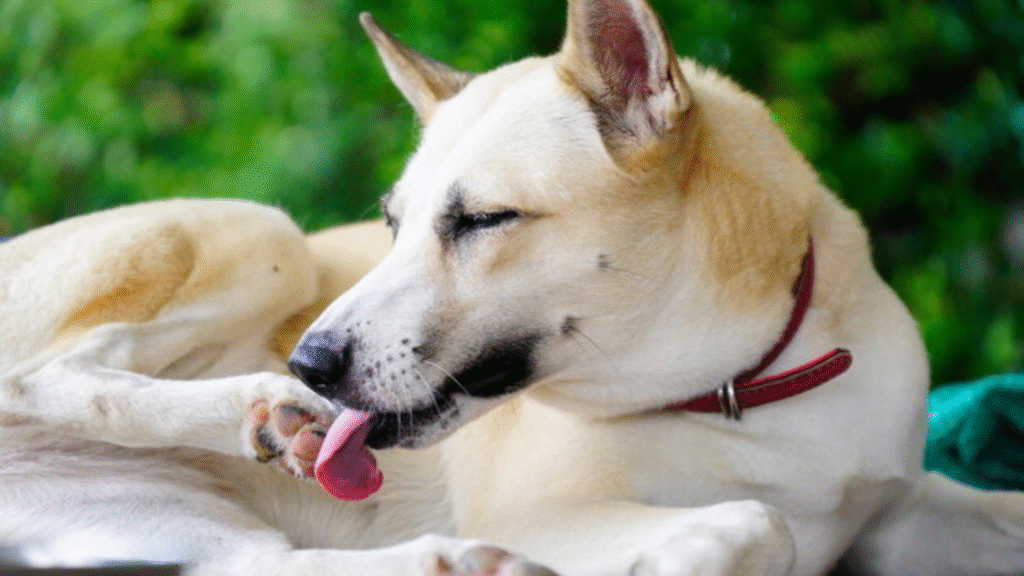
Many dog owners wonder why do dogs lick their paws and wonder whether it’s simple grooming or a sign of a deeper problem. This article explains why dogs lick their paws, how to tell routine grooming from excessive or harmful licking, and what owners can do safely at home before involving a veterinarian. You will learn the common causes—medical and behavioral—how to spot warning signs like redness, swelling, odor, or limping, and the diagnostic steps vets typically use to identify allergies, infections, injuries, or compulsive behaviors.
The guide also provides practical home-care steps, prevention strategies for seasonal hazards, and clear contraindications for DIY remedies so you can act confidently and avoid making things worse. Each H2 section breaks down causes, observable signs, when to seek veterinary care, and step-by-step safe home treatments, with quick lists and comparison tables to help triage symptoms.
Read on for concise, actionable advice to protect your dog’s paw pads, toes, and overall comfort while learning when professional care is needed.
What Are the Common Causes of Dog Paw Licking?
Paw licking is driven by a few primary categories: allergies, infections (bacterial or yeast), injuries or foreign bodies, parasites, and behavioral causes like anxiety or compulsive licking. Each cause produces overlapping but distinguishable signs such as seasonal timing for allergies, foul odor for yeast, or sudden limping for injury.
Understanding these categories helps owners triage observations and decide whether home care, environmental changes, or veterinary diagnostics are appropriate. The short comparison table below highlights typical owner observations to speed this triage and guide next steps.
Common causes you can watch for:
- Allergies: Itchy, seasonal or persistent licking often linked to pollen or food.
- Yeast or bacterial infection: Smelly, greasy discharge with redness and scaling.
- Injury or foreign body: Sudden licking with limping and localized pain.
This quick list clarifies likely causes and leads into how allergies specifically trigger paw licking.
How Do Allergies Cause Dogs to Lick Their Paws?
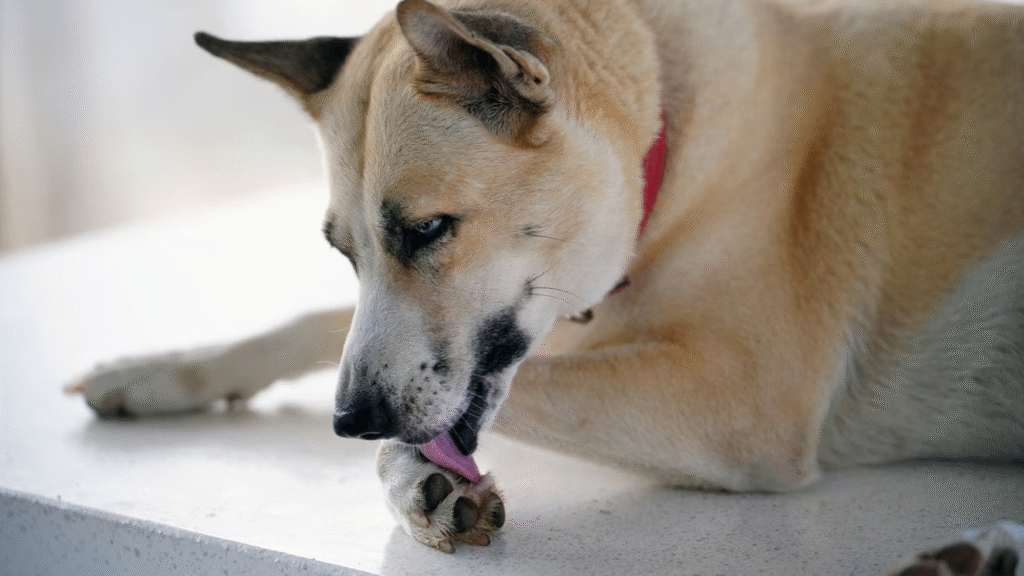
Allergies cause paw licking when the immune system reacts to environmental, food, or contact triggers and releases inflammatory mediators that produce intense itching. Environmental allergies (pollen, dust mites) often show seasonal patterns, while food allergies tend to be persistent and may involve other areas like ears and belly.
Contact allergies (chemicals, de-icers) produce localized irritation on pads or between toes shortly after exposure, and owners can often link onset to new products or walks on treated surfaces. If you suspect allergies, note timing and patterns and discuss elimination diets or allergy testing with your veterinarian for targeted control.
Veterinary science has established that fleas, aeroallergens, and food allergens are common culprits behind allergic reactions in animals, affecting various body systems.
Veterinary Allergy Diagnosis: Guidelines and Future Perspectives
1. Fleas, several aeroallergens as well as many food allergens are the most common allergenic sources for animals and frequent cause of allergic reactions with different target organs such as skin, eyes, and respiratory or digestive systems.
2. Allergy diagnosis needs to follow well-established guidelines under clinical and laboratory approaches. Since 1980 with the Hanifin & Rajka’s criteria for the diagnosis of atopic dermatitis (AD) in humans, successive proposals have been developed to identify atopic dermatitis in dogs. A consensual plan was first proposed by Willemse in 1986 undergoing several modifications in 1994. Prélaud and colleagues made important changes to the plan in 1998 and it was further adjusted by Favrot in 2009. In 2010, this plan was approved by the International Task Force on Canine Atopic Dermatitis (CAD). It was subjected in 2015 to minor updates with regard to therapeutic options.
3. To improve diagnostic accuracy by integrating the basic knowledge on sensitization development and allergen nature and diversity, allergen sources and implicated molecular allergens for animals should be clearly identified. As well as in human medicine, this molecular epidemiology concept is essential for the veterinary allergy diagnosis in the near future, standing as the basis of a component-resolved diagnosis (CRD). Besides current pharmacotherapy, it will be highly relevant to increase the efficiency of the avoidance measures and specific immunotherapy.
4. Clinical guidelines will lead to at least 80 % of positive diagnosis of atopy, but newer laboratory methods in veterinary medicine aiming to a more precise diagnosis and a better integration of the clinical/laboratory diagnostic course are needed.
5. Allergoms identification for animals, from different allergen sources proteoms should become a priority in veterinary allergology, in order to allow the intended CRD, which is essential to understand the cross-reaction phenomena, allowing a more precise a
Veterinary allergy diagnosis: past, present and future perspectives, LL Martins, 2016
| Cause Type | Typical Signs | What the Owner Sees |
| Environmental allergy | Seasonal itching | Licking after walks, paw redness in spring/summer |
| Food allergy | Persistent itch, ear involvement | Constant licking, chronic ear infections |
| Contact allergy | Localized irritation | Sudden licking after exposure to cleaners or salts |
This table helps separate allergy types and supports targeted follow-up with a vet.
Can Injuries and Pain Lead to Excessive Paw Licking?
Yes—trauma, foreign bodies, burns, nail injuries, and chronic pain like arthritis commonly lead a dog to lick a specific paw to soothe pain or clean a wound. Injury-related licking is often unilateral and accompanied by limping, reluctance to bear weight, visible swelling, or sensitivity when the paw is touched.
Immediate at-home steps include careful inspection, gentle cleaning with saline, and preventing further licking with a protective covering until you can access veterinary care.
If you see deep punctures, heavy bleeding, embedded objects, or persistent lameness, seek veterinary attention promptly because untreated injuries can lead to infection or chronic pain.
What Are the Signs of Excessive or Problematic Paw Licking?
Excessive paw licking becomes problematic when it causes secondary skin changes, infection, or interferes with mobility and quality of life. Red flags include persistent redness, hair loss around the paw, scabbing, a foul odor (suggesting yeast or bacterial overgrowth), and changes in gait such as limping.
Frequency and duration matter: occasional post-walk grooming is normal, but repeated fixated licking for more than a few days requires intervention. Use the checklist below to gauge severity and decide whether to try home care or consult a veterinarian.
Recognize these red flags:
- Redness or swelling: Indicates inflammation or infection.
- Open sores or scabs: Risk of deeper infection.
- Foul odor or discharge: Strong sign of yeast or bacterial infection.
These observable signs point to the need for deeper assessment and are discussed next in terms of urgency and timing for care.
Why Do Dogs Lick Their Paws Symptoms Indicate a Serious Paw Problem?
Certain symptoms suggest an urgent condition: severe swelling, continuous bleeding, systemic signs like fever or lethargy, inability to bear weight, or a rapidly spreading infection. A foul-smelling discharge or visible pus also indicates that bacterial or yeast infection has advanced and requires veterinary treatment, sometimes with systemic antibiotics or antifungals.
Timing guidance: if severe signs appear, seek immediate care; for moderate signs that don’t improve in 48–72 hours of basic first aid, schedule a veterinary visit. Acting early prevents complications such as deep-tissue infection or chronic acral lick granuloma.
The persistent, focused licking characteristic of acral lick dermatitis can lead to significant skin lesions.
Acral Lick Dermatitis: Understanding Obsessive Licking in Dogs
Acral lick dermatitis is a skin injury commonly noticed in dogs with obsessive licking behavior. The lesions are usually noticed on the distal extremities which become raised, thickened, and plaque-like.
How Can You Differentiate Normal Grooming from Excessive Licking?
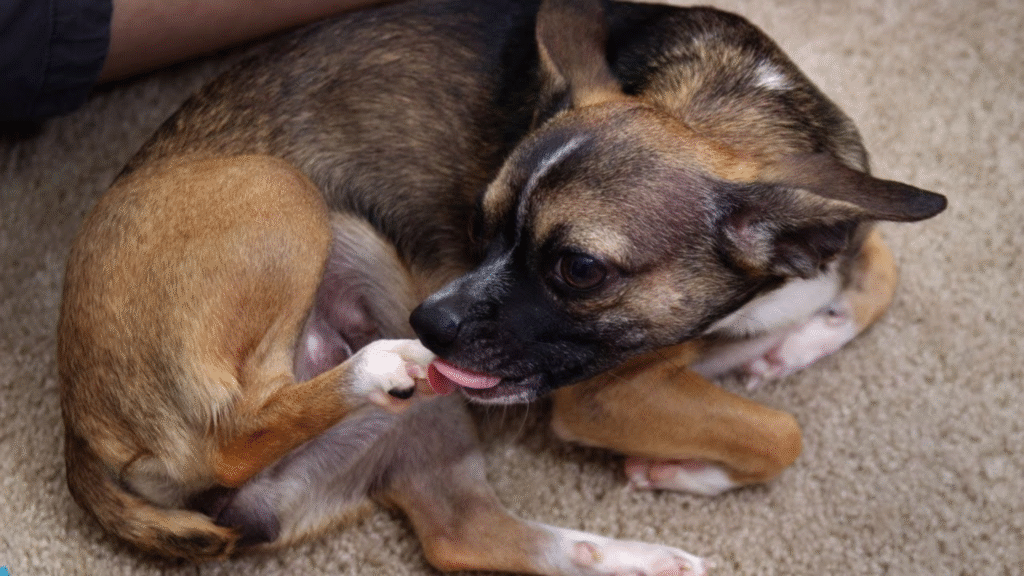
Normal grooming is brief, symmetrical, and part of a routine, while excessive licking is repetitive, focused on one area, and often leaves secondary damage such as hair loss or dermatitis. Measure frequency (multiple prolonged sessions daily suggests excess), check for targeted areas (one paw vs all paws), and observe context—licking after stressors, during storms, or when alone points to behavioral causes.
Keep a simple diary of episodes and triggers to present to your veterinarian or behaviorist, which helps distinguish medical from behavioral drivers and guides targeted treatment.
Understanding the underlying causes, whether medical or behavioral, is crucial for effective treatment, and sometimes psychogenic factors play a significant role.
Acral Lick Dermatitis in Dogs: Psychogenic Triggers and Diagnosis
Lick granuloma on left fore limb in dog diagnosed with psychogenic trigger.
When Should You Worry About Your Dog Licking Their Paws?
You should worry and seek veterinary evaluation if paw licking is accompanied by severe pain, systemic illness, non-healing wounds, or signs of infection. Immediate vet attention is warranted for deep punctures, heavy bleeding, embedded foreign bodies, high fever, or sudden severe lameness.
For less acute but persistent issues—ongoing redness, recurring infections, or progressive lesions—book a routine veterinary appointment within a few days to weeks depending on severity. Vets typically triage by exam, cytology, cultures, and sometimes imaging to pinpoint cause and start appropriate therapy.
Key vet-trigger signs to watch for:
- Severe pain or inability to use the limb: Seek urgent care.
- Systemic signs (fever, lethargy): Indicates spreading infection.
- Non-healing or worsening lesions: Needs professional treatment.
These triggers lead into the common diagnostic and treatment approaches veterinarians use.
What Warning Signs Mean It’s Time to See a Veterinarian?
Warning signs include persistent swelling, open wounds that don’t improve, recurrent or worsening redness, and signs of infection such as pus or a bad smell. If your dog shows systemic symptoms—loss of appetite, fever, lethargy—or if a previously responsive condition suddenly worsens, seek immediate veterinary assessment rather than delaying care.
Timing: for severe signs, go to emergency care right away; for moderate signs, arrange a vet visit within 48–72 hours. Early diagnosis protects against chronic problems like acral lick granuloma or secondary infections.
How Do Veterinarians Diagnose and Treat Paw Licking Issues?
Veterinarians start with a full physical and dermatologic exam, then use cytology (microscopic skin smears), skin or ear cultures, allergy testing (intradermal or serologic), and occasionally X-rays to check for bone or deep foreign bodies. Treatment depends on diagnosis: topical antiseptics, systemic antibiotics or antifungals, anti-itch medications, and in behavior-driven cases, enrichment plans or behavioral therapy are common.
Follow-up often includes assessing response to therapy within days and adjusting medications or referring to a veterinary dermatologist or behaviorist if the problem is refractory. Understanding the likely tests and timelines helps owners prepare and comply with treatment plans.
How Can You Safely Treat and Prevent Dog Paw Licking at Home?
Start home care with safe first-aid: gently clean paws with saline or a mild, vet-approved cleanser, dry thoroughly, and protect pads from further irritation with booties or a short cone to prevent licking while healing occurs. Use preventive routines like weekly paw inspections, trimming hair between pads, and applying vet-recommended paw balms to restore cracked pads; avoid home remedies that sting or are contraindicated on open wounds.
Behavioral prevention includes enrichment, increased exercise, and redirecting attention when licking begins, while environmental steps mean rinsing paws after walks to remove pollen, salts, or chemicals. The EAV table below summarizes common home remedies, when to use them, and precautions to prevent worsening an issue.
| Remedy | When To Use | Precautions/Contraindications |
| Saline soaks | Minor cuts, debris removal | Do not use if deep puncture; keep sterile |
| Diluted apple cider vinegar (1:3) | Mild yeast overgrowth (not open wounds) | Avoid on raw or bleeding skin |
| Vet-formulated paw balm | Cracked pads, dry skin | Check ingredients for allergies |
| Protective booties | Outdoor protection (salt, hot pavement) | Ensure proper fit to avoid chafing |
This table helps choose safe, situation-appropriate home steps and highlights when to seek veterinary care.
What home treatments are effective and safe?
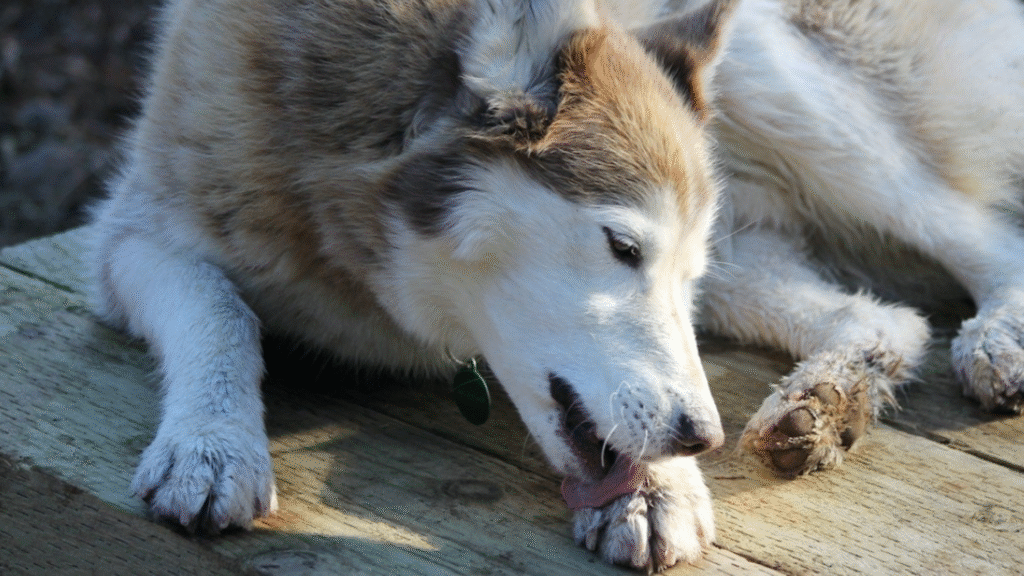
- Gentle cleaning: Rinse with saline or mild cleanser to remove irritants and reduce bacteria.
- Soaks for yeast: Short diluted-soak approaches can reduce yeast when skin isn’t broken.
- Topical barrier: Vet-recommended balms protect pads from environmental damage and support healing.
After trying safe home steps, monitor for improvement within 48–72 hours and avoid substances that sting or delay healing; if signs worsen, contact your veterinarian.
What Home Remedies Are Effective for Dog Paw Licking?
Effective home remedies focus on cleansing, drying, and protecting the paw while reducing irritants that perpetuate the itch-lick cycle. Saline rinses safely remove debris; short diluted soaks or vet-approved antifungal washes can help yeast issues when the skin is intact; and protective balms or booties prevent re-exposure to environmental triggers like de-icing salt or hot pavement.
Precautions are critical: never apply vinegar, alcohol, or essential oils to open wounds, and do not bandage a paw tightly without veterinary guidance. Monitor response closely—if redness, discharge, or pain worsen, stop home treatment and seek veterinary care.
How Can You Prevent Paw Licking Through Care and Environment?
Prevention combines regular paw maintenance, environmental management, and behavioral enrichment to reduce triggers for licking. Daily or weekly paw inspections and rinses after walks remove pollen and salt, protective booties and paw balms shield pads in extreme temperatures, and consistent nail care reduces nail-related discomfort.
Behavioral prevention includes toys, interactive play, and scheduled exercise to relieve boredom or anxiety that can lead to compulsive licking. Seasonal adjustments—extra rinsing in spring/summer for pollen and booties in winter for de-icing salt—reduce exposure and lower the chance that licking becomes chronic.
Conclusion
Understanding why do dogs lick their paws is essential for maintaining their health and comfort, as it can indicate underlying issues such as allergies, infections, or injuries. By recognizing the signs of excessive licking and knowing when to seek veterinary care, you can ensure your furry friend receives the appropriate treatment. Implementing preventive measures and safe home care can significantly reduce the likelihood of paw licking becoming a chronic problem. For more insights and resources on dog care, explore our comprehensive guides today.
Frequently Asked Questions
What should I do if my dog is licking their paws excessively?
Why do dogs lick their paws excessively, first, observe for any signs of redness, swelling, or discharge. If these symptoms are present, it’s important to consult your veterinarian to determine the underlying cause. In the meantime, you can gently clean their paws with saline and prevent further licking by using protective booties or a cone. Keeping a diary of the licking episodes and any potential triggers can also help your vet diagnose the issue more effectively.
Can certain dog breeds be more prone to paw licking?
Yes, some dog breeds are more prone to paw licking due to genetic predispositions to allergies or skin sensitivities. Breeds like Bulldogs, Retrievers, and Terriers may experience higher rates of allergies, leading to excessive licking. Additionally, dogs with longer fur may have more issues with debris and irritants getting trapped between their paw pads, which can also trigger licking. Regular grooming and monitoring can help manage these tendencies.
How can I tell if my dog’s paw licking is due to anxiety?
To determine if your dog’s paw licking is anxiety-related, observe their behavior in different contexts. If licking occurs during stressful situations, such as thunderstorms or when left alone, it may indicate anxiety. Look for other signs of stress, such as pacing, whining, or destructive behavior. Keeping a log of these behaviors can help you identify patterns. Consulting a veterinarian or a canine behaviorist can provide strategies to manage anxiety effectively.
Are there any dietary changes that can help reduce paw licking?
Yes, dietary changes can sometimes help reduce paw licking, especially if allergies are suspected. Switching to a hypoallergenic diet or a limited-ingredient diet may alleviate symptoms if food allergies are the cause. Additionally, incorporating omega-3 fatty acids can improve skin health and reduce inflammation. Always consult your veterinarian before making significant dietary changes to ensure they are appropriate for your dog’s specific health needs.
What are some common environmental triggers for paw licking?
Common environmental triggers for paw licking include pollen, dust mites, mold, and chemicals like de-icing salts or lawn treatments. Seasonal changes often exacerbate these triggers, particularly in spring and summer when pollen counts are high. To minimize exposure, rinse your dog’s paws after walks, avoid walking on treated surfaces, and maintain a clean living environment. Monitoring your dog’s reactions to different environments can help identify specific triggers.
How can I effectively clean my dog’s paws after walks?
To effectively clean your dog’s paws after walks, use a gentle saline solution or a vet-approved cleanser. Rinse each paw thoroughly to remove dirt, pollen, and irritants, paying special attention to the areas between the toes and pads. After rinsing, dry the paws completely to prevent moisture-related issues. Regular cleaning can help reduce the likelihood of paw licking and keep your dog’s paws healthy and comfortable.
What are the long-term effects of untreated paw licking?
Untreated paw licking can lead to several long-term issues, including chronic skin infections, dermatitis, and the development of acral lick granulomas, which are painful lesions caused by obsessive licking. These conditions can significantly affect your dog’s quality of life, leading to discomfort and behavioral changes. Early intervention and treatment are crucial to prevent these complications and ensure your dog remains healthy and happy.