
It can be truly scary to see your dog lose hair. Dogs do not lose their hair overnight without any cause. Although shedding is a natural process of a coat cycle, the loss of hair is another thing. Fur is also taken out in clumps, leaving bald areas, or exposing sore skin, and that is normally an indication of an underlying problem that cannot be overlooked. Veterinarians even treat dogs who lose their hair due to mere seasonal shedding to serious body ailments such as allergies, skin infections, parasites, hormonal diseases and nutritional deficiencies.
Very often hair loss is the initial observable manifestation of health issue far before other types of symptoms are manifested. Dogs also avoid showing discomfort and this implies that the changes in coats are one of the most obvious early signs of discomfort that owners may recognize. To know the reason why dogs hair falling out is what makes you respond accordingly. Other cases can solve with simple treatment, including better grooming or diet. To avoid the aggravation of the skin damage, persistent infections, or permanent loss of fur, others need veterinary care. In this guide, we’ll explain the most common causes of fur loss in dogs, how to tell normal shedding from a medical problem, when to see a vet, and what you can do to protect your dog’s coat and overall health.
Is Hair Loss in Dogs Normal?
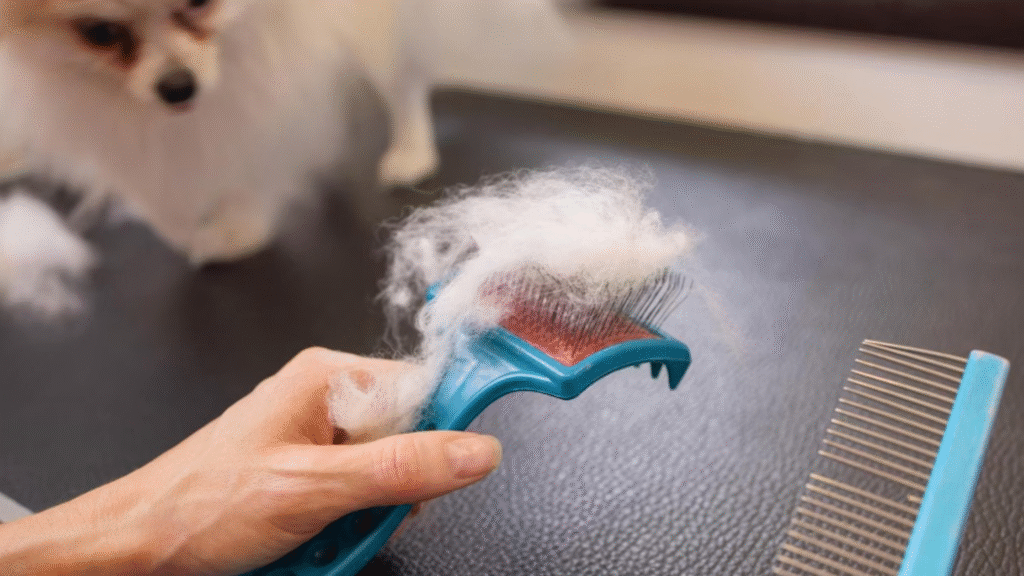
Hair loss is not necessarily shedding, as normal among dogs. Majority of the dogs shed all year round with the high shedding in spring and fall period as they adapt to changing temperatures. Huskies, Labs and German Shepherds are breeds that shed more naturally and Poodles and other breeds with low shedding have very little visible shedding. Normal shedding occurs in the body in equal amounts. The coat might be thinner, though the skin is not to be seen showing, neither are there supposed to be bald spots. The skin is not to be red, flaky or sore. When fur drops off in clumps, or leaves some bald patches or shows irritated skin, the issue of hair loss becomes problematic.
This is usually an indication of some underlying issue like allergies, parasites, infection or hormonal imbalance. In contrast to seasonal shedding, abnormal shedding does not tend to cease on its own, as it is commonly accompanied by itching, licking, odor, or skin changes. Short-term increases in dog lose hair may occur in hot weather, upon events of stress or following illness. But, when the loss of hair persists in weeks, gets worse or your dog feels uncomfortable, then it is no longer a normal shedding process, but one that should be checked by a veterinarian.
Common Causes of Hair Loss in Dogs
When a dog lose hair, it is not that likely that there is only one cause. The loss of hair may be superficial such as infestations of parasites or internal causes. It is important to know who caused it, as the solution to each one is quite dissimilar. These are the most common reasons vets see fur loss in dogs.
Allergies and Skin Irritations
One of the most common causes of the dogs hair falling out is allergies. The dogs can respond to the food ingredients like chicken, beef, dairy or grains. Some become environmentally allergic to dust mites, pollen or mold. Dermatitis due to allergies to fleas is the most widespread, in which a single bite causes severe itching. The repetitive scratching, licking or even chewing ruptures the hair and destroys the skin barrier. This will eventually cause the fur to become thin or bald (mostly on the paws, belly, ears and the tail base). The irritations of the skin can happen due to harsh shampoos, scented cleaners or frequent bathing as well as aggravating hair loss.
Infections and Parasites
Patchy loss of hair is often caused by bacterial and fungal infections. Ringworm is a fungal infection, although it is said to be circular in shape due to its resemblance to rings that leave the skin flaky or scaly and makes it bald. Yeasts infections usually result in reddish skins, greasy skins and unpleasant odor and loss of fur. Another significant trigger is parasites. Mange mites infect the skin causing it to crust and become thickened with large bald patches. Ticks and fleas do not inhabit the skin but when itchy enough, they can even draw the hair out. Such cases tend to deteriorate rapidly.
Hormonal and Internal Issues
Some forms of dog disease hair loss start inside the body rather than on the skin. Hypothyroidism is known to dry the hair particularly at the sides, tail, and neck, weight gain and fatigue. The disease of Cushing normally causes the dog lose hair in a symmetrical fashion, pot bellied appearance and thirst. Hormonal hair loss is normally not dry. The skin can appear normal, though the coat is dull, sparse and retarded to grow. Temporary changes in coats may also occur in female dogs after pregnancy or spaying but this is expected to improve with time.
Stress and Behavior
Hair loss is not always medical. Stress behavior may also result in bald spots particularly on the legs, belly or sides. One of them may be repeatedly licked or chewed by dogs as a way of coping with anxiety or boredom or routine changes. Such hair loss is typically clean-cut and can alternately appear and disappear according to the environment of the dog. The hair will continue to fall out in the absence of taking care of the underlying stress despite the skin being healthy.
Other Causes
The older age of senior dogs may cause their coat to become thin in appearance, although no serious bald areas are age-related. The second cause that is neglected is poor nutrition. Thirdly, diets that are deficient of adequate protein, necessary fatty acids or important vitamins may result in brittle hair and slow the growth.
The habits of owners can also be contributory. Excessive bathing, application of human shampoos or harshly scrubbing coat deprives the skin of natural oils. This causes weakness along the hair shaft and shedding and breaking deteriorates with time.
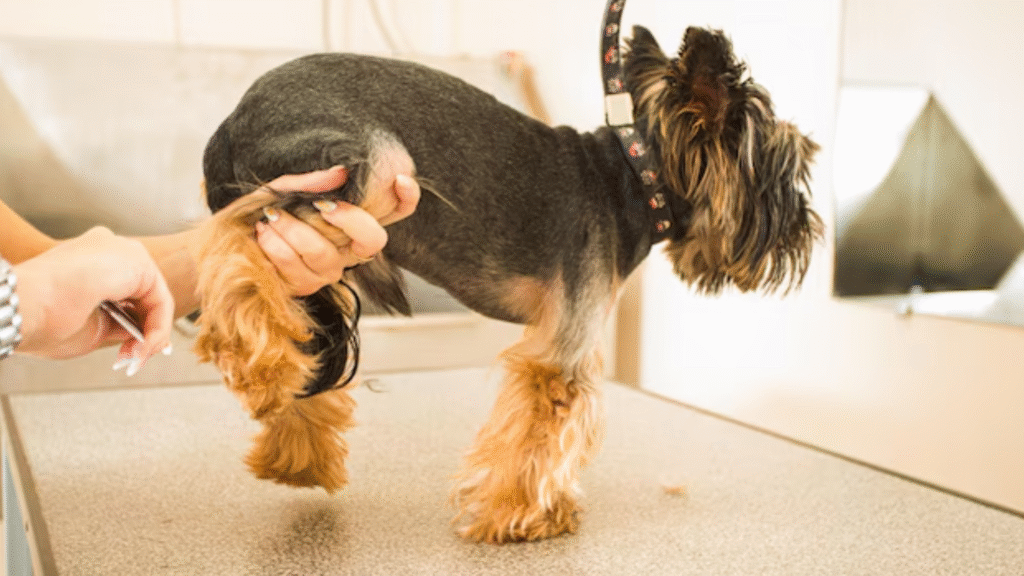
Diagnosing Fur Loss in Dogs
When a dog lose hair, it can be guessed at home and cause procrastination of appropriate treatment. There are numerous causes that they are similar on the surface, but the solution to these similarities is extremely different. The most secure method of knowing whether the issue is straightforward or associated with a health issue is a veterinary exam.
Physical Exam and Skin Evaluation
The first thing a vet does is to check the skin and the coat. They examine the redness, scaling, odor, sores, pattern of hair loss and the itchiness or pain of the skin. The most prominent initial clue is often given by the place and the shape of bald spots.
Skin Scrapings and Tests
The vet can examine the skin under the microscope using the skin scraps to determine the presence of mites like mange. Fungal tests assist in determining the presence of ringworm that is not always determined by just the appearance. These are fast tests that are frequently conducted at the visit.
Blood Tests
Bloodwork helps detect internal causes of dog disease hair loss. Laboratory tests are likely to reveal thyroid disorders, Cushing disease, and other hormonal disorders such as thyroid before the other symptoms manifest. Blood tests are also essential whenever the hair becomes symmetrical or not itchy.
Allergy Evaluation
In case of an exclusion of parasites and infections, allergies are usually considered. Food tests or allergy tests can be prescribed to identify reactions to proteins, grains, pollen, or dust mites. Hair loss associated with allergy is typically itchy, licked and frequently irritated.
Medical History and Breed Risk
The issue of age, breed and previous health issues is important. Some breeds have increased susceptibility to hormonal disorders, allergies, or skin disorders. The diet of dogs, grooming schedule, the level of stress, and the history of flea prevention all help to narrow the cause.
Balding Dogs: When to Worry
The shedding of all dogs is one thing, but balding dogs are another. Normal shedding makes the hair thin uniformly over the body and is normally seasonal. When fur falls off in spots or to reveal the skin, or not to grow up again, hair loss becomes an issue of concern. In case you see bald spots with scabs, sores, redness, thickened skin or excessive flaking, you are supposed to have a closer look. An unpleasant or strong smell is frequently an indication of bacterial or yeast infections. Losing hair that is spread rapidly, especially in a sudden dog, is an alarming sign that might be the cause of parasites, fungus, or an immune-related skin disease.
Alteration of general health is as important as the skin itself. If fur loss in dogs appears alongside weight gain, lethargy, increased thirst, frequent urination, or behaviour changes, hormonal disorders such as hypothyroidism or Cushing’s disease should be considered. The shedding in seasons is symmetrical, painless, and predictable. Loose, scratchy, swollen, or stinking dog lose hair is not normal. In the event of these signs, it is wise to have a veterinarian examine them in order to avoid permanent skin damage and persistent discomfort.
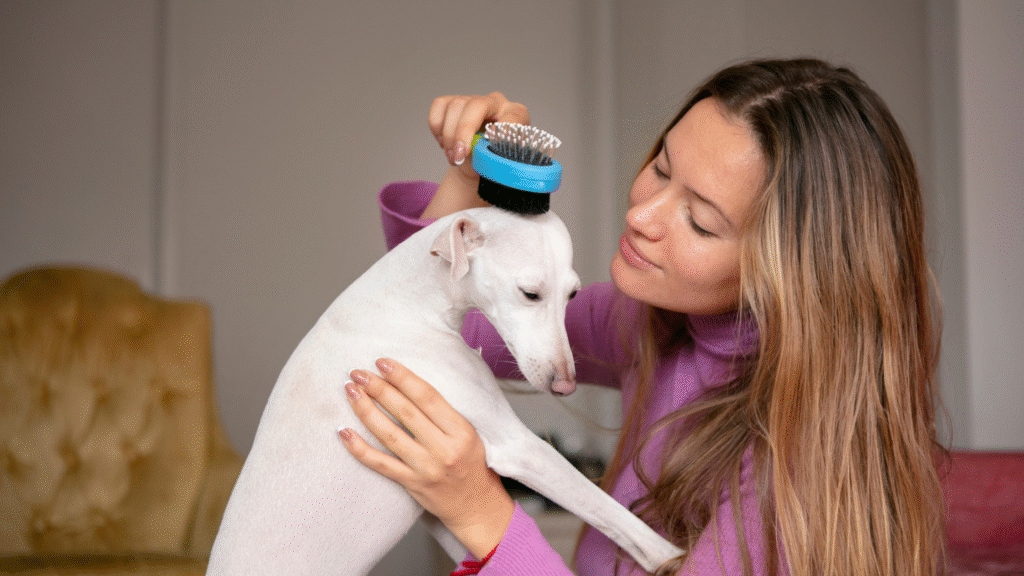
Treatment Options for Hair Loss in Dogs
When a dog lose hair, no single treatment is applicable to each case. One of the symptoms is the loss of hair, not the disease itself. Treatment of the problem absolutely depends on the cause of the issue, therefore, a proper diagnosis is essential. Home support and veterinary care can be used effectively.
Veterinary Treatments
- Infections: In case the bald spots are combined with the scabs, the odor, reddening, or discharge, it should be expected that it is a bacterial or fungal infection. Antibiotics, antifungal agents, medicated shampoos or topical creams can be prescribed by vets depending on the severity.
- Skin conditions: Prescription shampoos or sprays are commonly used in the treatment of chronic itch, flaking, or thickening of the skin. These products decrease inflammation, regulate yeast or bacteria, and aid in healing the skin and hair growth.
- Hormonal disorders: Such conditions as Cushing disease or hypothyroidism need prolonged medication. When hormone levels are brought down, the quality of the coat tends to improve but it may take several months before it grows again.
- Allergies: Antihistamines, steroid alternatives, special diets, or allergy injections may be required by dogs with allergic skin disease. The trigger is important to control, otherwise it will keep on coming back.
At-Home Care
- Nutrition improvements: Hair is made of protein. Dogs that are kept on poor diets usually exhibit fading coats. Replacement of skin repair and healthier regrowth relies on switching to food with a high amount of animal protein and healthy fats.
- Parasite prevention: Regular flea and tick treatment is important. A single dose can re-initiate itching, scratching and loss of hair, particularly in flea-sensitive dogs.
- Gentle grooming: Bathing too much and coarse shampoos deprive the skin of the protective oil. Wash with gentle, dog friendly items and bathe only when necessary.
Natural Remedies (with care)
There are home remedies which can help in comfort but they not only treat the underlying cause.
- Baths in oatmeal can be calming to the itchy or irritated skin.
- Coconut oil can be used to treat focal dryness in small doses.
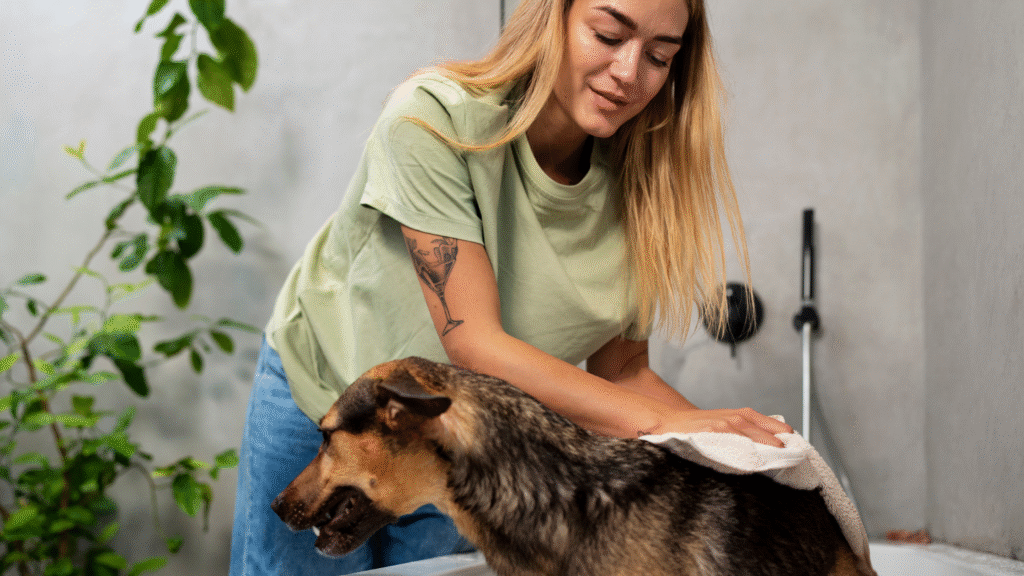
Preventing Fur Loss in Dogs
It is very easy to prevent dog lose hair than to treat it when it starts getting bald. The majority of coat issues begin gradually, and that is why taking care of your dog daily is extremely important to maintain the well-being of its fur.
- A dog is a replica of the food it consumes. Poor quality kibble does not have sufficient protein and essential fatty acids, which cause the skin to dry and weak hair. The diets are based on the first ingredient of real meat and healthy fats such as omega-3s found in salmon or fish oil to stimulate the growth of hair and healthier skin.
- Washing your hair a couple of times a week brushes out dead hair, distributes natural oils and makes you notice when something is wrong, early enough to fight with fleas, rash, or irritated skin. When such problems are caught early, then there can be no spreading of hair loss.
- The use of flea and ticks should not be overlooked. The bite of a single flea may cause severe itching, particularly in sensitive dogs, which result in scratching and bald spots. Regular prevention is safeguarding the skin and coat.
- Shampoos in humans and the mean vicious dog shampoos strip the skin of protective oils. Use unharsh dog friendly shampoos and do not bath the dog regularly even in cases where a vet recommends it.
- Dogs that are anxious or bored tend to lick or chew their fur. Daily exercise, mental activities, and play assist in diminishing the stress-linked loss of hair.
- Annual examinations are likely to identify thyroid disease or allergies or skin conditions at an early stage before fur loss is noticed. Treatment at a tender age helps to safeguard the health and coat of your dog.
- With proper nutrition, parasite control, gentle grooming, and routine vet care, many causes of fur loss in dogs can be prevented before they ever become a problem.
Conclusion
It is always frightening when you stumble on clumps of fur on the floor or a bald patch on your dog, and it is natural to be afraid of the worst. The fact is that the dog lose hair does not necessarily indicate a severe illness. Fur loss may be observed due to common problems such as fleas, allergies, issues in the diet or even due to repetitive licking. Pattern and progression are all that count. Bad-smelling hair loss, lightning speed, inflamed hair, and always itchy must never be overlooked. Such ailments as mange, infections, and hormonal disorders do not go away by themselves. The encouraging news is that most cases of fur loss in dogs are treatable once the cause is identified. When early intervention is made, with correct treatment and veterinary advice, the coat usually grows back, and your dog will feel good and well again.
Frequently Asked Questions
My dog is itching and losing hair, but no fleas — what does it mean?
In case of the exclusion of fleas, the most frequent cause is allergies. Dogs may respond to food contents, pollen, or dust mites, grass or even domestic cleaning products. These effects result in itchiness, licking and splitting of hair. In case redness, sores, or persistent pain are observed, a vet check-up is necessary.
Dog hair loss home remedies do they work?
Home remedies may be temporary and not permanent. Itchy skin can be helped with oatmeal baths and omega-3 supplements can help maintain coat health. Nevertheless, when the hair loss persists or becomes severe, it cannot be cured in homes alone, as infections, parasites, and hormonal issues cannot be remedied. Frequently, veterinary treatment is demanded.
Dog losing hair in patches and scabs — why?
Scabbing patchy loss of hair is normally indicative of a medical problem; either mange, ringworm, bacterial infection, severe allergies. Such problems usually bring inflammation, smell, or pain and cannot go away without treatment. A military diagnosis is necessary to prevent the transmission and encourage recovery.
Old dog lose hair — normal or not?
Normal aging of dogs includes mild thinning of the coat but does not involve any bald patches. Hair loss in older dogs is commonly associated with thyroid disease, Cushings disease or chronic skin diseases. These issues are detected during early stages of bloodwork during annual vet visits.
How to stop hair fall of dog?
Begin with the fundamentals: regular flea treatment, a healthy quality diet with sufficient protein and healthy fats, and regular brushing. Neighbor Shampoos: Do not use strong shampoos or bathe too often. In case of persistent hair loss, spreading or accompanied by itchiness or skin alterations, the veterinary diagnosis is the most secure follow-up.