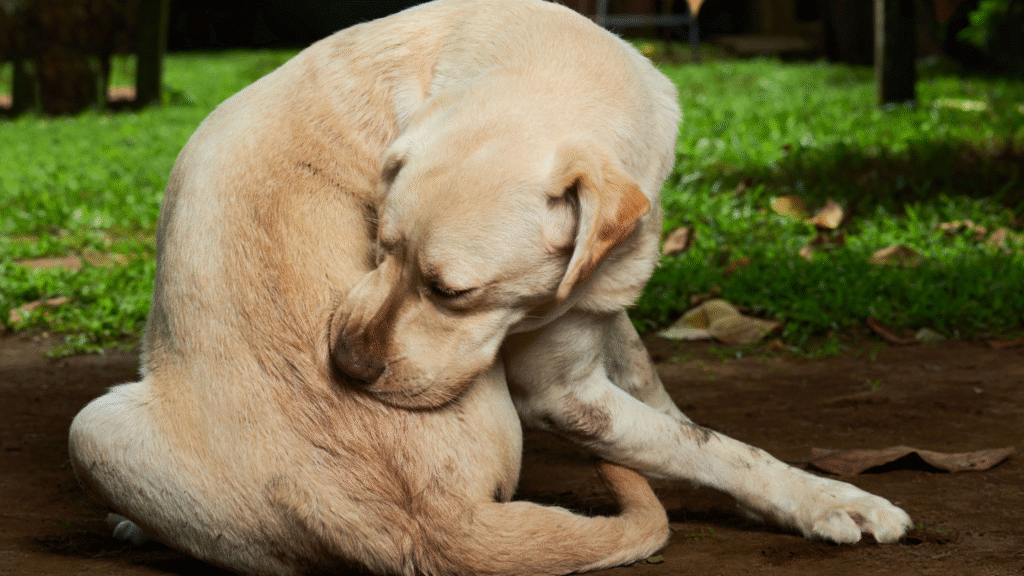
Scooting is one of the most common signs that a dog has discomfort around the rear area. When a dog drags their bottom on the floor, it usually points to anal gland pressure, inflammation, or an itchy anus. These problems rarely improve on their own, and early care can prevent pain. Home remedies for dog scooting help when the cause is mild and easy to manage.
Some dogs deal with swollen anal glands, while others struggle with rear-end itch. Both can lead to the same behavior. Before trying any home remedies for dog scooting, you should understand common triggers, how irritation starts, and when a vet visit is needed.
When At-Home Care Helps
Basic care works best when your dog shows light swelling, mild itch, or early anal gland buildup. In these situations, targeted steps such as warm compresses, fiber support, or safe topical cleaning can give quick relief. These approaches also help with related concerns such as home remedies for dog anal gland pressure and home remedies for dog’s itchy anus.
To choose the right option, you need a clear idea of what causes scooting and how each cause affects your dog. Once you understand that, you can follow the most effective remedy and know when it is time for a vet visit.

Causes of Dog Scooting
Scooting begins when something around the rear area becomes uncomfortable. Each source creates a different type of irritation, which is why understanding the origin helps you choose the right care at home.
Blocked Anal Glands
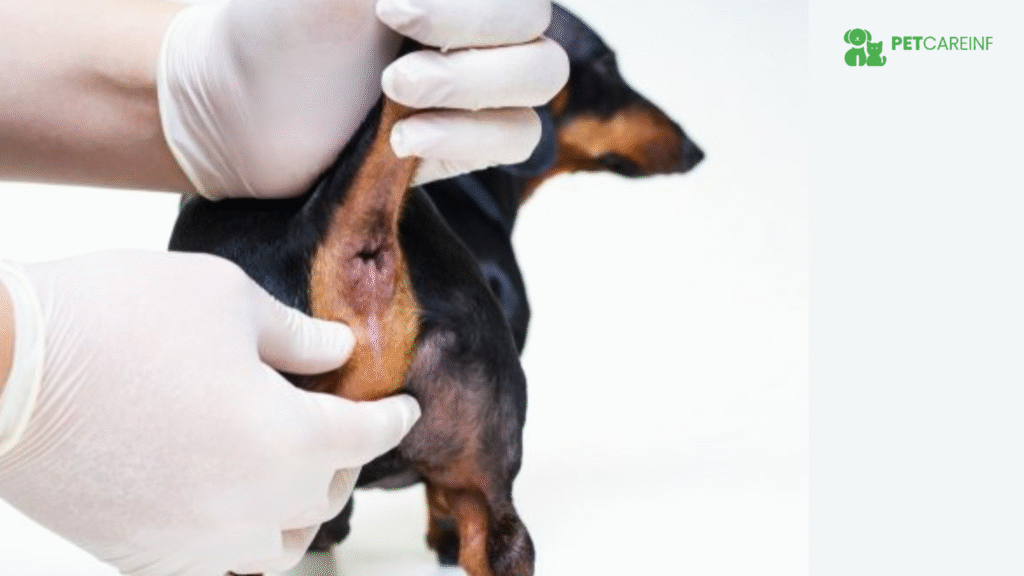
Dogs rely on their anal glands to release fluid during bowel movements. When the glands do not empty well, the fluid thickens and causes pressure. You may see sudden sitting, turning to look at the area, or dragging on the floor. Early blockage may improve with gentle support at home, but advanced swelling needs a vet.
Skin or Hygiene Irritation
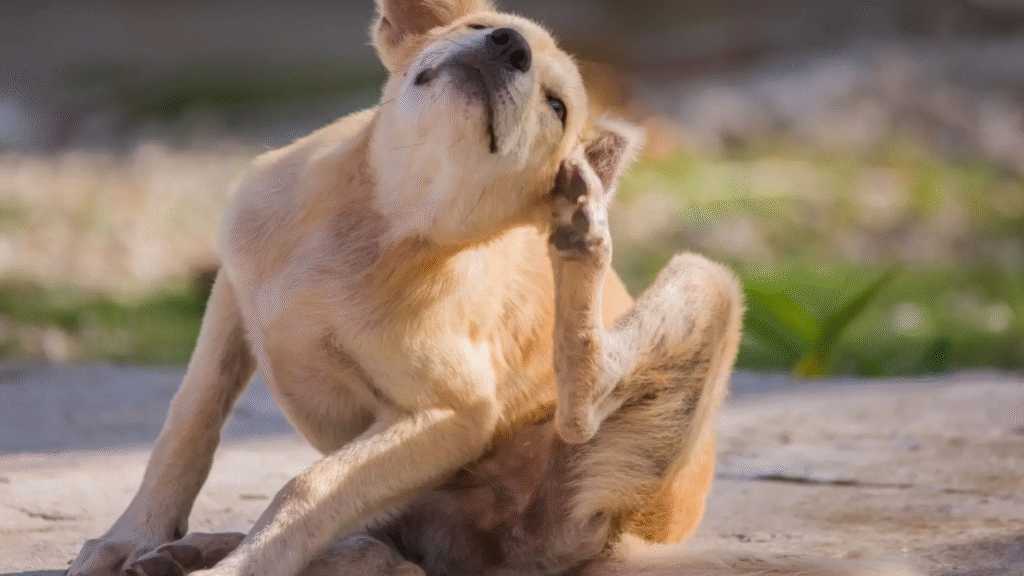
Moisture, dried stool, or minor skin inflammation can create itch around the anus. Dogs try to fix this on their own by scooting. This problem often improves with simple cleaning and close monitoring, especially when redness is mild.
Parasites and Worms
Certain parasites irritate the tissue around the anus. This leads to scooting along with signs like scooting after bowel movements or small segments near the stool. A proper diagnosis comes from a stool exam, and treatment depends on the type of parasite found.
Digestive Sensitivities
Some dogs react to specific ingredients or sudden diet changes. When digestion becomes irregular, the anal glands can be affected, and the area may feel uncomfortable. You may also see loose stool, gas, or changes in appetite. Tracking food patterns helps identify the cause.
Understanding these triggers prepares you for the next step, which covers practical home remedies for dog scooting that offer safe relief when the problem is mild.
Safe Home Remedies for Dog Scooting
At-home care works best when the symptoms are mild and there is no sign of infection or severe swelling. These remedies focus on reducing pressure, calming irritation, and supporting healthy anal gland function.
Warm Compress for Anal Comfort
A warm compress helps soften gland fluid and reduce tension. Use a clean cloth soaked in warm water, then hold it on the area for a few minutes. This can ease minor pressure and support normal emptying.
Repeat once or twice daily when your dog shows early signs of discomfort.
Supportive Fiber Intake
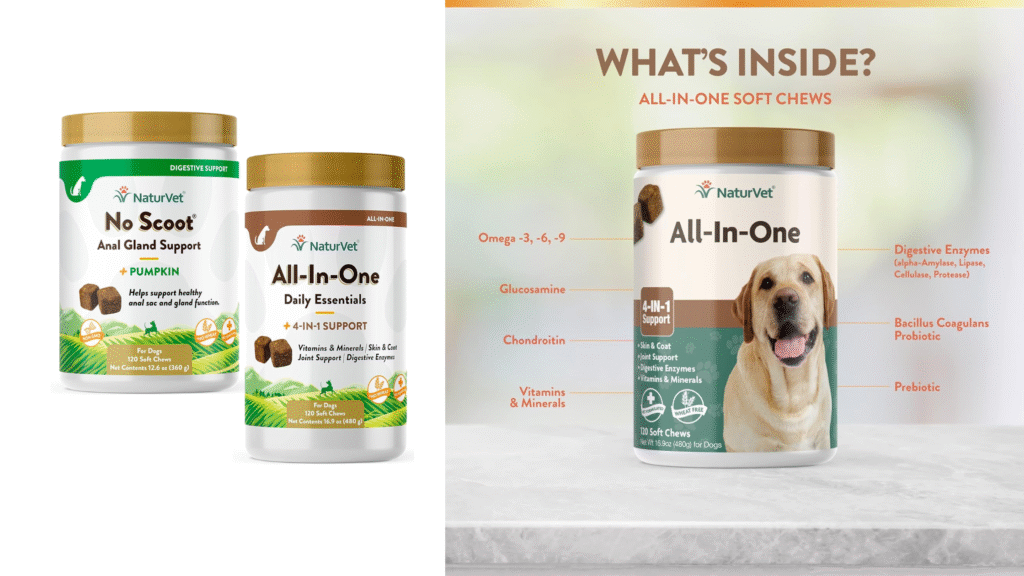
Fiber helps create firm stool, which can stimulate natural anal gland emptying. Small amounts of plain canned pumpkin or a vet-approved fiber supplement can help. Introduce fiber slowly so your dog adjusts without stomach upset.
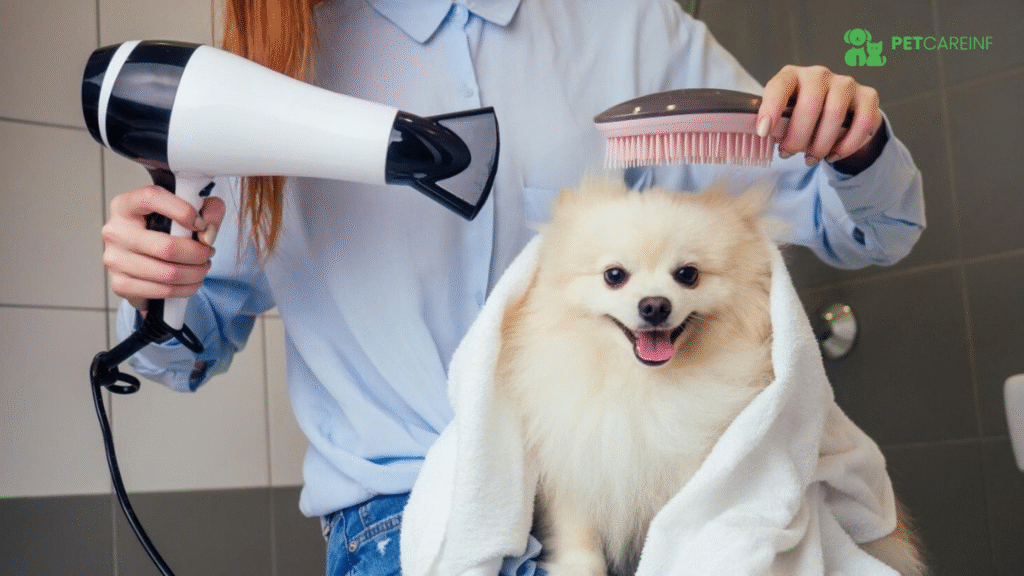
Gentle Rear-End Cleaning
If your dog shows signs of mild itch or irritation, simple cleaning can help. Use warm water and a soft cloth to remove debris around the anus. This is helpful when owners are looking for home remedies for dog’s itchy anus or temporary relief between vet visits.
Safe Use of Diluted Vinegar
Some people ask about home remedies for dog scooting at home vinegar. Vinegar must be diluted to avoid burning the skin. A safe mix is one part white vinegar to three parts water. Apply lightly around the outer skin only. Never use it inside the anus or on broken skin.
Balanced Diet for Ongoing Support
A stable diet helps prevent digestive changes that affect the anal glands. Dogs with sensitive stomachs often respond well to predictable feeding routines and single-protein diets. This supports consistent stool, which lowers the chances of future scooting.
These natural remedies for dog scooting help when symptoms are light and your dog stays comfortable. The next section will explain when at-home care is not enough and why some cases need a vet right away.
When to See a Veterinarian
At-home care is helpful for mild cases, but some signs show that your dog needs medical attention. These symptoms point to deeper gland problems, infection, or issues that cannot improve with home support.
Signs of Infection or Severe Swelling
If the anal area looks red, swollen, or has a foul smell, the glands may be infected. Pus, bleeding, or sudden pain during touching are strong indicators that you should stop home care. Dogs with these symptoms often refuse to sit normally or react sharply when the area is examined.
Ongoing Scooting or Repeated Episodes
Scooting that continues for several days, even after trying home remedies for dog scooting, suggests a blockage that needs professional treatment. Recurrent scooting also raises concern for chronic gland problems, allergies, or underlying digestive issues. A vet can empty the glands safely and check for any developing complications.
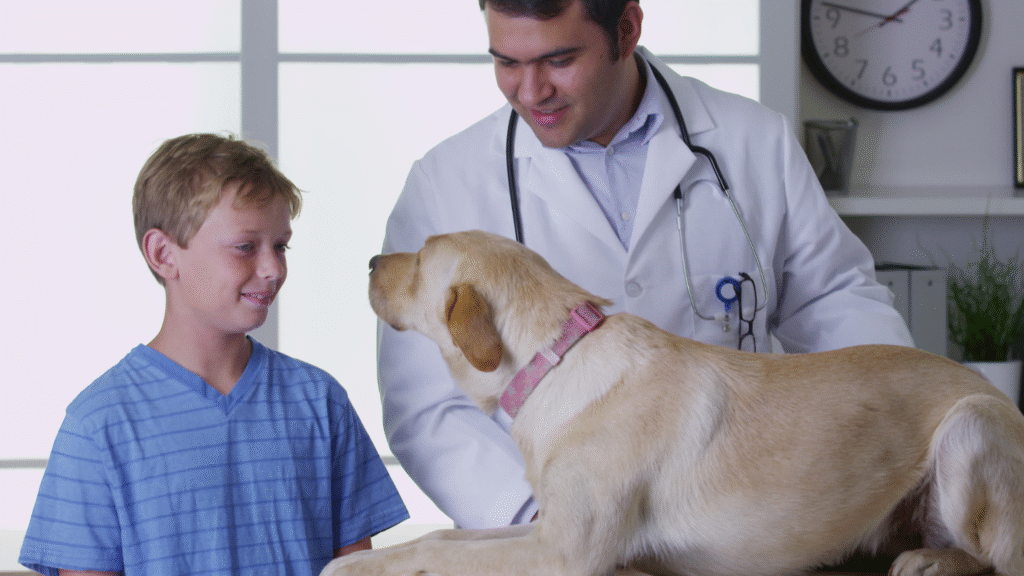
Dogs with fever, reduced appetite, or changes in stool should be seen as soon as possible. These signs show that the problem extends beyond simple irritation and requires proper medical care.
How to Prevent Future Scooting
Prevention focuses on reducing irritation, keeping the anal glands working well, and avoiding triggers that lead to pressure or itch. Simple daily habits can lower the chance of repeated scooting episodes.
Support Healthy Digestive Function
Consistent, firm stool helps the anal glands empty during bowel movements. A stable diet with enough fiber keeps digestion predictable and reduces strain on the glands. Dogs that react to certain foods benefit from slow diet changes and clear tracking of their meals.
Routine Cleaning and Skin Care
Regular cleaning around the rear area prevents buildup that can irritate the skin. A quick check after outdoor activity or bowel movements helps you catch early signs of redness. Dogs with long hair near the anus may need careful trimming to prevent debris from sticking to the area.
Exercise also supports gland health by keeping bowel movements regular. Daily walks help maintain a smooth digestive rhythm and can reduce the chance of future scooting.
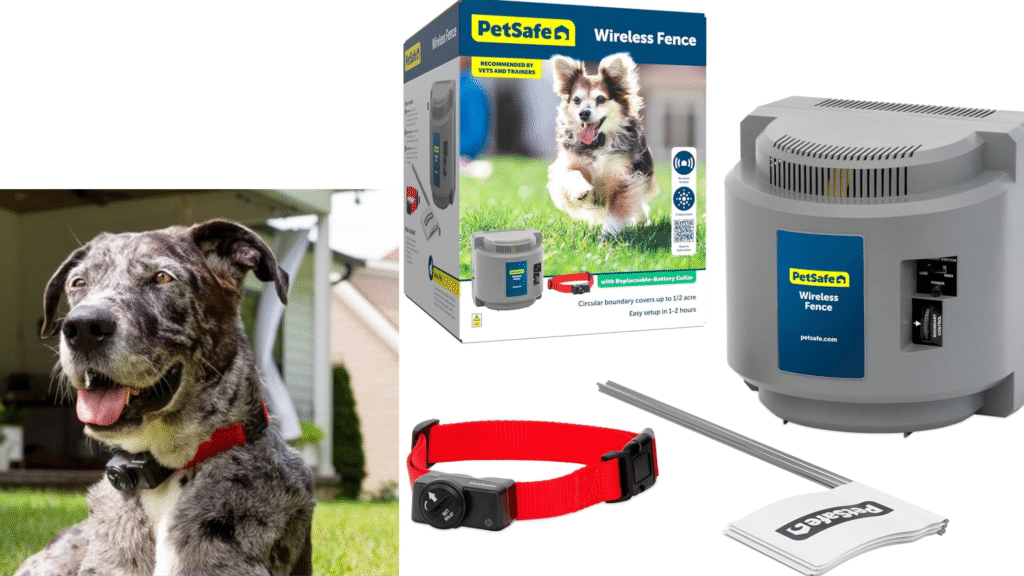
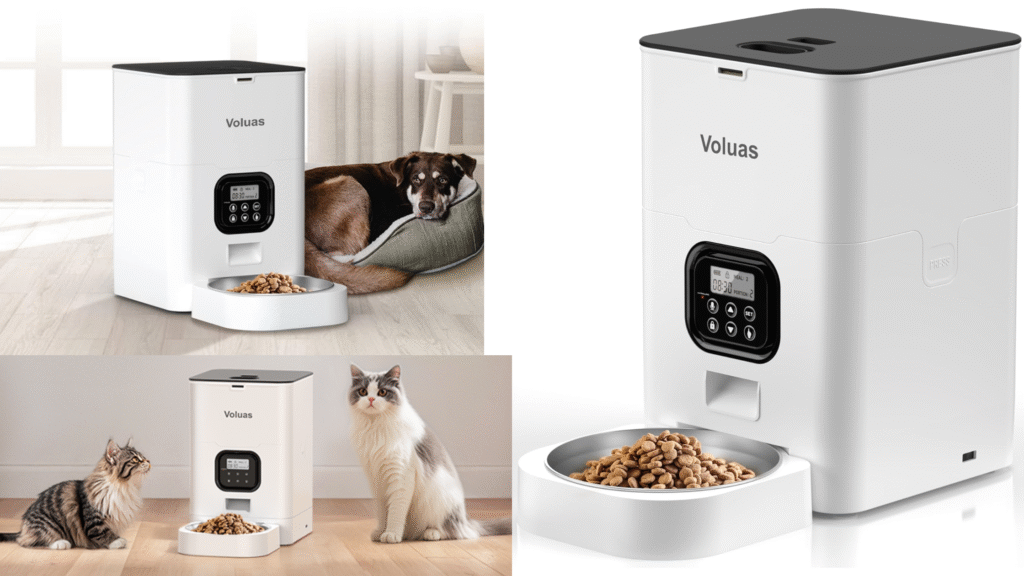
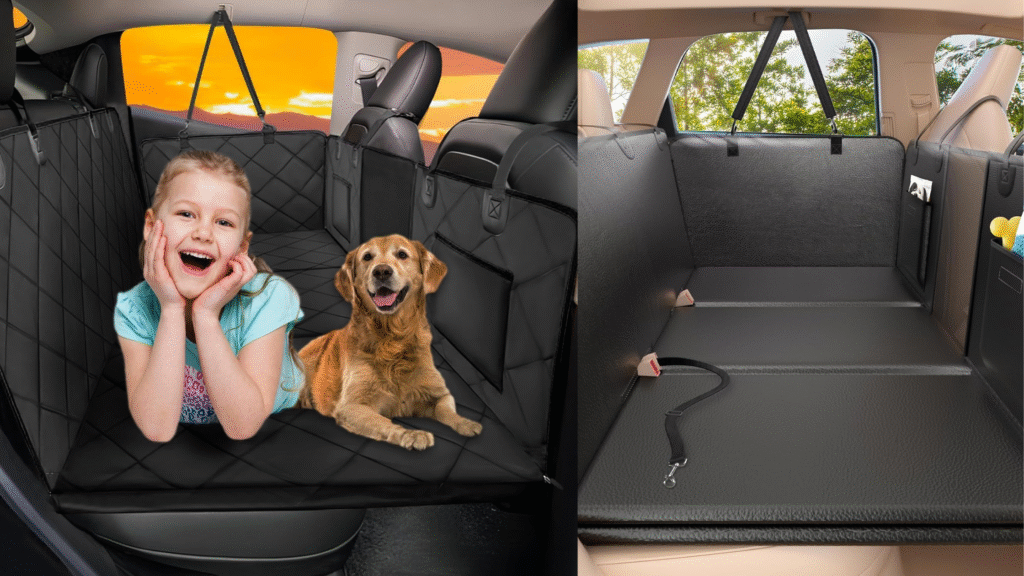
Product Recommendation
-1024x576.png)
Conclusion
Scooting is a sign that something around the rear area needs attention. Mild cases often respond well to safe home remedies for dog scooting, gentle cleaning, and supportive diet choices. Consistent care helps prevent irritation and keeps the anal glands working as they should.
When symptoms continue, worsen, or return often, a vet visit is the safest step. Early treatment prevents complications and keeps your dog comfortable long term.
Frequently Asked Questions
Why is my dog scooting on the floor?
Most dogs scoot due to anal gland pressure, mild skin irritation, or debris near the anus. Some cases come from parasites or digestive changes that affect comfort around the rear area.
What is the best home remedy for dog scooting?
A warm compress is often the most helpful first step. It softens gland fluid and eases tension. Gentle cleaning and small amounts of added fiber can also support comfort.
How do I know if my dog’s anal glands are full?
Dogs may lick the area, show sudden discomfort when sitting, or scoot more than usual. Some dogs also turn quickly to look at their rear when the glands feel full or tight.
Can I use vinegar for dog scooting?
You can use diluted white vinegar only on the outer skin. The safe mix is one part vinegar to three parts water. Never use it inside the anus or on broken skin.
How long should I try home remedies before seeing a vet?
If symptoms do not improve within two to three days, or if you see swelling, bleeding, or a strong smell, you should stop home care and visit a vet.