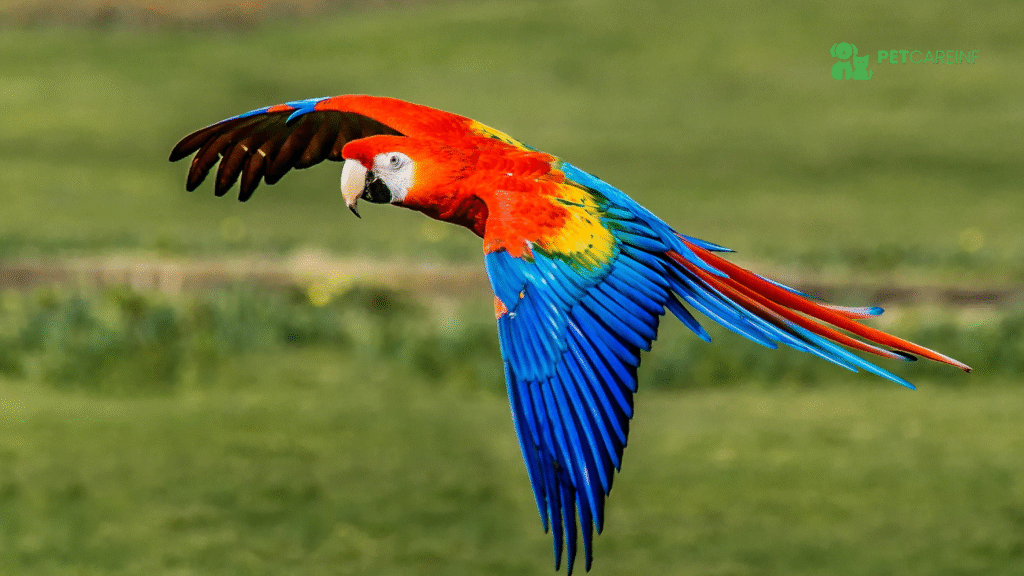
The macaw scarlet, also known as the scarlet macaw bird (Ara macao), is one of the most striking parrots in the world. This tropical bird can immediately attract the gaze by its brightly coloured red body, brightly coloured yellow and blue wings, and its strong curved beak, whether on the wild or in captivity. The scarlet macaw species is a native of rainforests in Central and South America that is renowned due to its beauty and intelligence coupled with a great social nature. These parrots capture interest of many bird lovers as they have the ability to live several decades and form strong attachments with their owners. However, keeping a macaw scarlet requires serious commitment, proper diet, mental stimulation, and a suitable living environment. Here, you will get to know all the facts about the scarlet macaw bird, their lifespan, personality, food preferences, housing preferences, training secrets, and the care necessities in keeping the bird as a responsible pet owner.
What Is the Macaw Scarlet Species?
Before learning how to care for this remarkable parrot, it helps to understand what makes the macaw scarlet unique among tropical birds. The scarlet macaw bird is one of the most famous parrots in the world which can be recognized by brilliant colors and huge size. In this section, the scientific background of the species, physical characteristics and the natural habitat where the species can be found in the wild will be described.
Scientific Classification and Origin
Aar Macao (scarlet macaw) is a member of the Psittacidae family of parrots that are large, intelligent, strong beaked and have brightly colored feathers. Scarlet macaws are indigenous to the tropical rainforests of Central and South America and warm climates and fruit trees are plentiful as their food. They are found in the Southern part of Mexico up to Central America and the Amazon basin, which also includes Costa Rica, Panama, Peru and Brazil. The scarlet macaws tend to inhabit these areas close to rivers and forest boundaries where they have enough food and can nest high in trees, which are secure.
Physical Characteristics
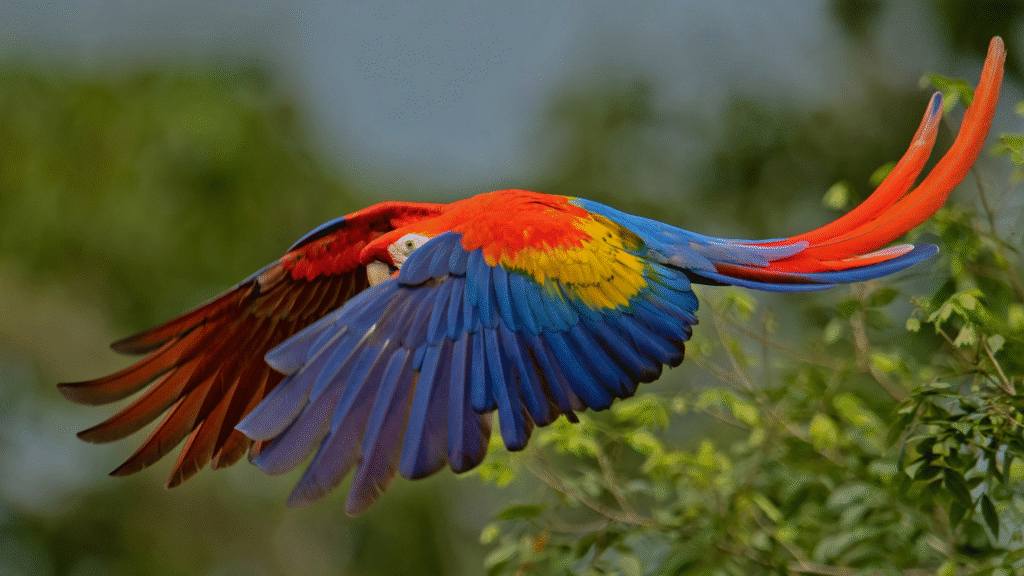
A fully grown macaw scarlet can reach 32 to 33 inches in length from head to tail, with a wingspan approaching 40 inches. This renders it as one of the largest species of parrots that exist in the wild. It is very beautiful in plumage, and is preponderantly of scarlet red, with strong bands of yellow and blue feathers upon the wings. The face of the bird bears a unique white patch of feathers that may be slightly flushed or darker in case of an emotional state of the bird. Scarlet macaws also have a powerful curved beak that is used to crack tough nuts and seeds and this is a crucial survival adaptation in the rainforest.
Habitat and Range
Scarlet macaw birds in the wild live in the wet tropical forests, river basins, and in the periphery of forests where tall trees are the dominant feature. These birds use large trees with natural cavities as their nesting places where they can rear young ones. Scarlet macaws occupy most of their time flying between their food zones, fruits, nuts, seeds, and berries. They are particularly abundant in rain forests that are under protection like Costa Rica, Panama, and the Amazon Basin. But loss of habitat and pet trade have resulted in a decrease in certain regions which makes conservation efforts all the more important.
How Long Do Scarlet Macaw Birds Live?
The lifespan of a scarlet macaw bird is also a factor that has to be understood before the idea of keeping one of them as a pet is incorporated. These parrots are known for their remarkable longevity, which means owning a macaw scarlet is a long-term commitment. Their longevity is determined by the food they consume, the surroundings they live in, the challenge in the brain and access to quality veterinary service
Lifespan in the Wild
A healthy scarlet macaw species in the wild, where it lives in a healthy rainforest, would last 40 to 50 years on average. Nevertheless, it is not always easy to survive in the wild. Snakes, large birds of prey, and mammals are some predators that present a danger to young birds. Their longevity is also due to food provision and environmental alterations. In places where deforestation is taking place, scarlet macaws might not have safe nesting places and also they do not have good sources of food. Nonetheless, with these obstacles, numerous wild macaws continue to spend numerous decades in forested rainforests which are shielded.
Lifespan in Captivity
A scarlet macaw bird is capable of surviving 60 to 75 years when maintained in captivity and under good conditions, and in other cases even beyond this. Others in the zoos and wildlife sanctuaries have lived to the age of 80 years courtesy to the balanced nutrition, regular veterinary checkups and safe environment. Because of their long lifespan, owning a macaw scarlet is a significant responsibility. Most specialists advise that the potential owners need to look into the long-term care planning, as it could happen that the bird will outlive its original owner.
Factors Affecting Longevity
There are a number of key issues affecting the lifespan of a scarlet macaw bird. Diet quality is one of the most important ones. Balanced diet with high-quality parrot pellets, fresh fruits, vegetables, and a few nuts allow maintaining good immunity, healthy feathers, and the good functioning of the organs. There should also be mental stimulation since Macaws are highly smart birds. As they will have no toys, training, or even frequent interaction, they can get bored or stressed, that will harm their health. Lastly, routine veterinary care is significant in life span. Regular visits to an avian veterinarian can be used to identify diseases early enough and provide the bird with the necessary medical care. Macaw lifespan may be reduced dramatically by poor nutrition, absence of any social interaction, or untreated health conditions.
Behavior and Personality of the Scarlet Macaw Bird
Such knowledge of behavior and personality of the scarlet macaw bird will assist the owners to develop a better relationship with their pet that is more trusting. These are very intelligent and social parrots that like to be fed on attention and mental stimulation. Scarlet macaws are reputed to be playful, curious and expressive. They usually form strong emotional attachment to their owners when well taken care of. Yet, they need daily communication and engagements in order to remain happy and mentally sound.
Intelligence and Learning Ability
Scarlet macaw bird is known to have high intelligence and possesses high problem-solving skills. Through regular training, these parrots are able to reproduce sounds, identify familiar voices and learn simple words or commands. A lot of macaws like the interactive process including puzzle feeders, training exercises, and enrichment toys. These intellectual problems assist in avoiding boredom and they keep the bird active. Lack of adequate stimulation can result in behavioural issues that include too much noise or pecking feathers.
Social Behavior and Bonding
Scarlet macaws tend to live in pairs or within a small group and tend to have a lifetime life-long relationship with one mate. During their flight in the rainforest they call a lot and use body language. In captivity, a macaw scarlet often bonds closely with one or two people in the household. Due to their social nature, the owners have to spend frequent time with them interacting, chatting, and playing. Being in contact every day creates trust and excludes feelings of loneliness or behavioral disorders.
Noise Level
The macaw scarlet is naturally a loud and vocal bird. These strong calls, in the wild, assist them in communicating with the members of the flock at great distances in the rainforest. Their sounds are capable of up to 100 decibels, just like a lawnmower. Due to such high noise level, scarlet macaws cannot be placed in apartments or homes with very strict noises. The environment in which the owners are going to live should be a major factor they would consider before making a decision of keeping one as a pet.
Diet and Nutrition for Macaw Scarlet Birds
A proper diet is essential for keeping a macaw scarlet healthy, active, and mentally stimulated. Scarlet macaws in the wild consume a diverse variety of seeds and fruits, nuts and vegetation available in the tropical forests. Reproduction of a similar type in a captive environment is useful in maintaining well-developed feathers, good organs and a stable immune system. These are also some of the reasons why offering the right combination of nutrients helps avoid some of the most prevalent health issues like obesity, vitamin deficiencies, or liver disease. With a proper diet, a scarlet macaw bird is guaranteed of sufficient vitamins, minerals, and healthy fats that are important in its long-term health.
Ideal Daily Diet
A scarlet macaw bird needs to be fed on a balanced diet which consists of various categories of food. A large number of the avian veterinarians recommend a diet consisting of high-quality parrot pellets (approximately 60 percent) that contain necessary vitamins and minerals in balanced quantities. Fresh foods are also supposed to be significant. The bird gets natural nutrients and hydration with the help of fruits (approximately 20%) and vegetables (approximately 15%). Apples, berries, papaya, leafy greens, carrots, and sweet potatoes are healthy. Such foods are also highly supply in vitamin A that helps in the quality of the feathers and the immune system. The other part of the diet may consist of nuts and seeds (approximately 5 percent), including almonds, walnuts or sunflower seeds. These are healthy fats, however, they have to be taken in moderation to avoid excessive weight gain
Foods to Avoid
There are foods human beings can consume safely but scarlet Macaw birds can consume and be killed by. The owners are not to feed avocado, chocolate, caffeine, and alcohol since these materials are harmful and may be fatal to the parrots. Foods that are highly processed like chips, fried snacks and salted nuts should also be avoided. They have unnecessary salt and other fats that are not healthy and can cause liver complications or heart related problems in birds. It is always safe to resort to natural, fresh foods that are specifically advised to be taken by parrots.
Feeding Tips
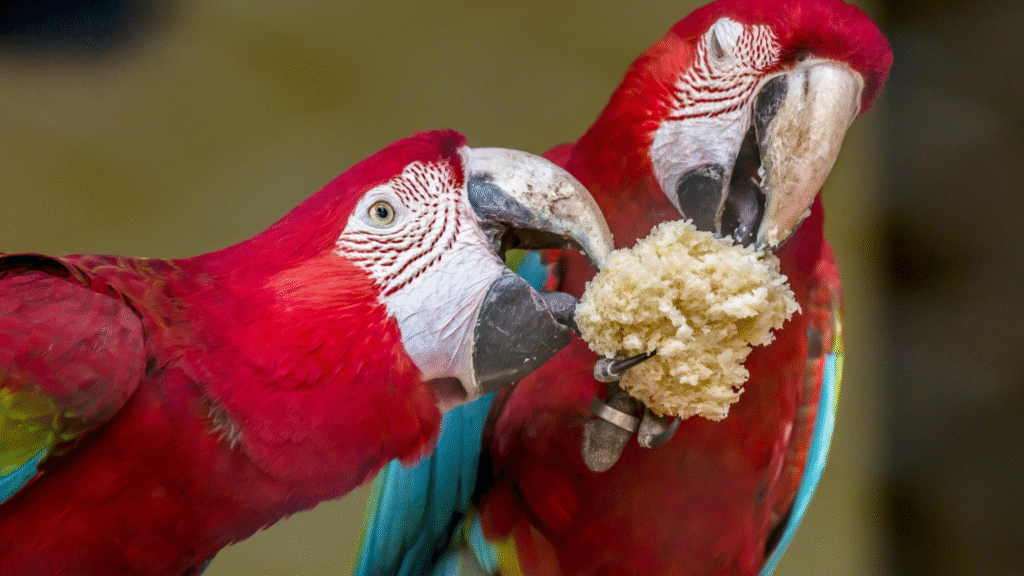
Fresh foods should be offered on a daily basis and any remains taken off in the course of two hours to avoid bacteria growth. Wash fruits and vegetables then serve, and cut them into small pieces so that the bird can eat easily. There should always be clean water that should be changed at least twice a day. Stainless-steel bowls or filtered water should be used in order to preserve hygiene and avoid contamination. The provision of multiple foodstuffs is also stimulus to natural foraging behavior, which maintains the macaw psychologically active. Enrichment feeding toys such as rotating fruits, vegetables and mealtime can be healthy and also interesting to your bird.
Housing Requirements for the Scarlet Macaw Bird
The happiness and health of a scarlet macaw bird require developing an appropriate living space. Parrots are very active and they are large and smart; hence they need lots of space to move, climb and to relate to their surroundings. A good habitat can be used to avoid stress, boredom, and behavioral problems. When setting up a home for a macaw scarlet, focus on cage size, safe placement in the house, and regular cleaning. Housing is also a good physical and mental stimulus.
Cage Size and Setup
Since the scarlet macaw bird is a large parrot, it requires a large and yet strong cage. The average size of an avian cage recommended by most experts is 36 x 48 x 60 inches, but bigger cages are most suitable and comfortable in terms of movement. The cage must be of heavy stainless steel or powdercoated metal to support the strong beak of the macaw. A distance of 1 inch to 1.5 inches between bars is the best distance to avoid being injured or trying to escape. Within the cage, there should be a variety of perches of varying size and texture to ensure that the feet of the bird remain healthy. Provide chew toys, climbing ropes and puzzle toys to promote natural behaviors like chewing and exploration. The enrichments will contribute to avoiding boredom and destructive habits.
Room and Lighting
The location of the cage in the house is also a consideration. Scarlet macaw bird likes to live in the places where it can see and communicate with people e.g. a family room or living room. The inclusion in everyday domestic life makes the bird feel a part of it and socially excited. Healthy circadian rhythms are desirable in maintaining natural daylight that controls sleep and activity patterns. In cases where there is inadequate natural lighting, full-spectrum lighting that is bird-safe may be adopted to assist with proper health. The cage should not be kept in drafty places, kitchen or close to air vents because the abrupt changes in temperature and fumes of cooking can be detrimental to the birds.
Cleaning and Maintenance
Macaws are known to generate feather dust, food scraps, and droppings on a regular basis, thus frequent cleaning is necessary to have a healthy environment. Wipe the cage with a towel and clean up food every day. More thorough cleaning must be carried out once every week. This involves cleaning perches, scrubbing cage bars and changing cage liners. Bowls used in food and water cleaning need to be cleaned on a daily basis using bird safes cleaning products to avoid the accumulation of bacteria. Keeping the habitat clean not only protects your macaw scarlet from illness but also ensures a fresh, comfortable environment where the bird can thrive.
Training and Socialization for Macaw Scarlet
A macaw scarlet is highly intelligent and social, which means training and social interaction are essential parts of its daily life. These parrots also keep well in case they are structured and have routine and frequent interaction with their owners. Unproper training does not only enhance trust but also aids in avoiding such common behavior issues as screaming, biting or mindless destructive chewing. Scarlet, Macaw birds are able to grow friendly with humans through early socialization and tender treatment which enables the birds to acclimatize with their homes.
Early Handling
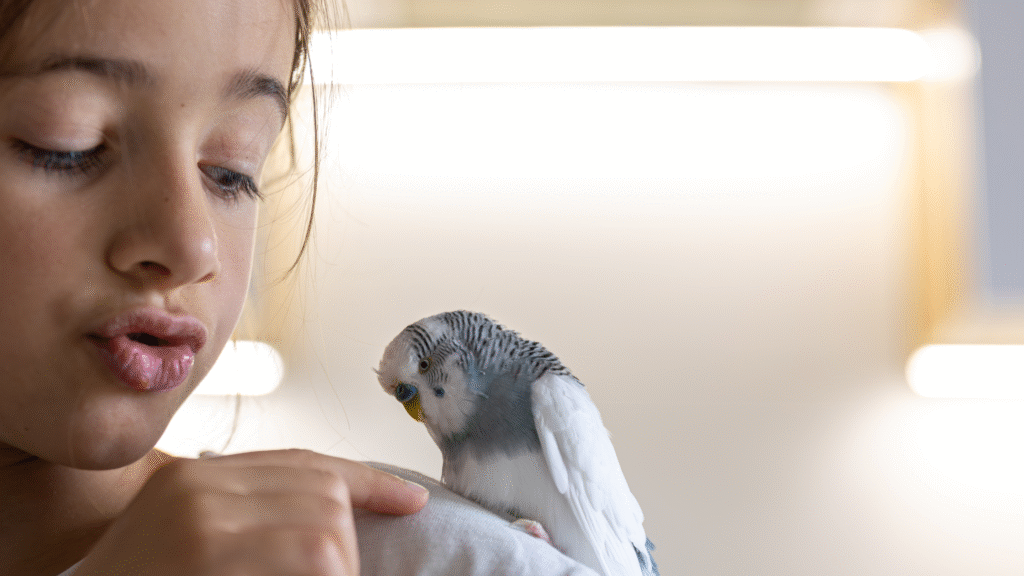
The training process of the scarlet macaw bird should commence early enough particularly when the bird has been brought up at tender age. Handling of the bird frequently makes it become used to human contact and lessens fear or stress. The five to ten minutes per day sessions are the best when starting out. These contacts can be the soft touching of the bird, letting him/her sit on the palm, and talking in a soft voice. With time, this continuous interaction creates trust and makes the macaw gain confidence with people.
Basic Commands
Teaching basic commands is an important part of training a macaw scarlet. Among the earliest orders that many owners give is step up which makes the bird to step on a hand or a perch. Other cues that are helpful are stay and mere recall commands. Parrots respond well to positive reinforcement. Providing the bird with a piece of fruit, a nut, verbal praise, when he does the right thing, makes him repeat the action. Constant reminders and soft repetition will prevent confusion and minimize behavioral problems in the future.
Talking and Entertainment
A scarlet macaw bird does not always grow into a strong talker; however, most of them are capable of repeating short words, whistles, or even sounds of applause. Frequent communication and dialogue can maintain the stimulation of their minds and can even stimulate the growth of speech. Another form of entertainment used by the Macaws is interactive toys, puzzle feeders and outdoor play. The activities make them active in the mind and do not allow them to be bored, and it is essential to the emotional health.
Preventing Aggression
Aggressive behavior in a macaw scarlet is usually caused by fear, boredom, or hormonal changes rather than intentional hostility. Yelling or beating the bird may further worsen the situation by adding stress to the situation. Rather, redirect undesirable behaviors like biting to desirable chew toys or enrichment behaviors. It is best to keep the training process calm and offer interaction to the bird on a daily basis to ensure this bird feels safe and is not likely to respond aggressively.
Common Health Problems in Scarlet Macaw Birds
Scarlet macaws are generally robust and tough birds, yet just like any other pets, they are likely to develop some health issues. This is because knowing about prevalent diseases and their respective symptoms in advance can enable the owners to react promptly and safeguard the well-being of the scarlet macaw bird. Observation and proper diet, as well as regular check ups at the veterinary are the main factors in averting severe health complications.
Feather Plucking
One of the most prevalent behavioral and health issues that are observed among parrots is feather pecking. A scarlet macaw bird can start removing its own feathers when it is either stressed, lonely, or bored. This behavior can be provoked by lack of mental activity, unhealthy diet, or the lack of social interactions. Boredom can be alleviated with the provision of enrichment toys, daily interaction, and exercise. In case of persistent feather pecking or the aggravated feather pecking, an avian veterinarian is required to assess the bird to exclude medical causes or nutritional deficiencies.
Beak and Feather Disease (PBFD)
Psittacine Beak and Feather Disease (PBFD) is a major viral infection of numerous parrot species including scarlet macaws. The illness impairs the immune system and may lead to strange feather development as well as the loss of feathers and feebleness. However, unfortunately, there is no sure cure of PBFD yet. Prevention is very crucial. The responsible breeders will normally test their birds and offer health checks to ensure that scarlet macaw bird is free of diseases before acquisition.
Breathing Problems
Scarlet macaws possess extremely sensitive respiratory systems. Their lungs can be irritated and have difficulty in breathing by being exposed to dust, cigarette smoke, cooking fumes or potent household chemicals. In order to preserve the health of your macaw, make sure that the place where it lives is well aired and does not contain any toxic gases. Birds are sensitive to perfumes, aerosol sprays and air fresheners as well as non-stick cookware; therefore, avoid them when around birds because these products are harmful to parrots.
Regular Vet Visits
Regular check-ups in the veterinary are important in keeping the scarlet macaw bird healthy.Check ups with a qualified avian veterinarian should be done annually, and this will enable early detection of possible issues before they develop to become serious.With these visits, the vet can observe weight, feather condition, beak condition, and general behavior.Your macaw may exhibit such symptoms as no appetite, sleepiness, and difficulty breathing, or he/she may behave unexpectedly, which is why you should be able to seek the assistance of a veterinarian on as short notice as possible.Treatment at an early age increases the likelihood of recovery to a great extent.
Interesting Facts About the Scarlet Macaw Species
Scarlet macaw is a widely famous parrot in the world. It is easy to see due to its bright red, yellow as well as blue feathers, but this bird is much more than a simple movie with colors. The scarlet macaw species is significant in its ecosystem and has peculiarities of behavior that make it interesting to both scientists and aviarists. Knowing these facts makes people imagine why these birds and their habitats have to be preserved so much.
Ecosystem Role
The scarlet macaws are significant in ensuring the health of the tropical forests. Lengthening the distance covered by a falling seed during flight or feeding, a scarlet macaw bird tends to distribute his food with fruits and nuts. These seeds are later able to grow into new trees and the forests are able to regenerate naturally. Due to such a habit, scarlet macaws have earned the nickname of seed dispersers of the rainforest. Many types of plants would not be able to propagate and multiply without birds of this kind, this may disrupt the balance of the whole ecosystem.
Color and Communication
The bright colors of the macaw scarlet are not only beautiful but also serve important purposes. In nature, bright feathers assist the macaws to distinguish one another at long distances during flights in the thick forests. Scarlet macaws also use thick calls, body languages and wing movements. They can scream, tap their beaks or fluff their feathers to transmit excitement, danger or curiosity. The condition or color of feathers can at times be a predictor of stress or disease hence healthy feathers are commonly known as an indicator of a well maintained bird.
Conservation Status
Even though scarlet macaws are not extinct yet, some of the areas in the Central and South American regions have already neglected scarlet macaws because of habitat destruction and the illegal trade of wild animals. Deforestation destroys the tall trees that they use to nest, and poaching has traditionally posed a threat to the wild populations. Currently conservation efforts in places such as Costa Rica, Panama, and Peru are being made in the effort to conserve these birds. The wildlife organizations rear young macaws in safe areas and release them to the wild to replenish natural stocks. The scarlet macaw species is also being conferred some survival in the long term through education and habitat protection.
Pros and Cons of Owning a Macaw Scarlet Bird
Before making a decision to adopt a scarlet macaw bird in your house, you should know the advantages as well as the difficulties of having a bird. The parrots are smart, loving and incredibly beautiful but they need a lot of time, space as well as money. Evaluating the pros and cons can help determine whether a macaw scarlet fits your lifestyle and experience level with birds.
Pros
- Striking beauty and strong intelligence
- Long-term companionship
- Potential for speech and mimicry
- Deep emotional bonds with caregivers
Cons
- Very loud calls
- High space and time requirements
- Expensive veterinary and dietary care
- Potential for destructive chewing if bored
Final Thoughts
The macaw scarlet is much more than a colorful tropical bird. It is a clever, loving and active parrot that develops close attachments with its caretakers. Nonetheless, it is a commitment, a patience, and the right knowledge of the needs of a scarlet macaw bird to own it. These parrots require healthy food, a big cage, contact with others on a daily basis and lots of intellectual stimulation. Under the proper environment and care, the scarlet macaw species can be a devoted companion during several decades. A macaw would be able to bring years of companionship, personality and beauty into the home and this is to those bird lovers who are willing to take the responsibility. Concurrently, it is not in vain to preserve wild macaws and their rainforest spots so that these spectacular creatures could be preserved in their natural environment.
Frequently Asked Questions
Are scarlet macaw birds good pets?
Scarlet macaw bird would also be a wonderful pet to have by the experienced bird owners. They are smart, loving and like to people. They, however, need to be taken care of on a daily basis, to interact with people they love, and be mentally challenged. Such parrots can get stressed and developed behavior problems in case of inadequate time and attention.
Can a macaw scarlet talk?
Yes, many macaw scarlet birds are capable of mimicking sounds, whistles, and simple words. They might not have huge vocabularies as some smaller parrots, but with frequent talking and practice, they can learn phrases and know familiar voices.
What does a scarlet macaw eat every day?
A well-balanced diet of a healthy scarlet macaw bird normally consists of high quality parrot pellets, fresh fruits, vegetables and small portions of nuts or seeds. Apples, berries, carrots, and leafy greens are some of the foods that supply vital nutrients. It is better to avoid chocolate, avocado, salt snacks or processed food, which is detrimental to the parrots.
Do scarlet macaws get along with other pets?
Scarlet macaws may also co-exist peacefully under the watch of calm dogs or cats. They are however not to be left unattended with other pets. Their huge beaks might end up harming the smaller species and the abrupt movements of other pets can cause stress to the bird.