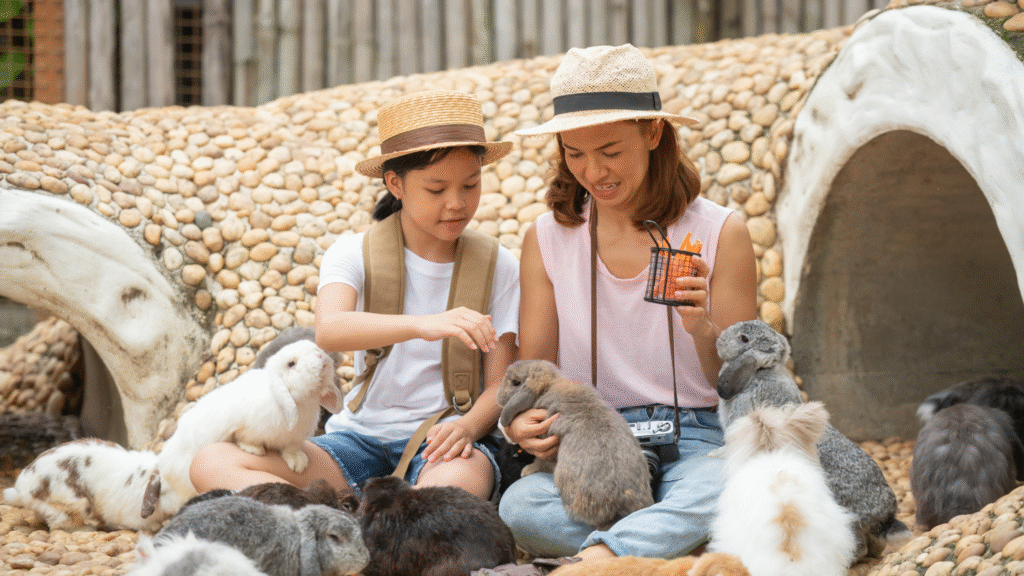
There are no small pets that are more popular in the world than rabbits, guinea pigs, and birds – and it is not difficult to guess why. They are intriguing, loving and full of character. They are also largely thought of as low-maintenance substitutes for dogs and cats. Unfortunately, that is also the perception that contributes to the mistreatment of small pet care, so often not due to ill intent, but due to a simple lack of knowledge. The fact is that small pets are species-specific, complex in their needs that go way beyond a cage, some food, and water. Rabbits are also very social animals, which need hours of free roaming per day. Guinea pigs are prey animals that are weak in terms of their respiratory systems and require companionship to survive.
Birds are sensitive emotionally intelligent creatures capable of being deeply psychologically distressed when unmet. This handbook will transform that. It is the essential 2025-page guide to owning any small pet, whether it is your first pet or you just want to provide better care than you are already, housing, nutrition, handling, health, enrichment, and the warning signs every owner needs to know, are all discussed. We shall get into it.
Did You Know? The third animal that is surrendered to shelters the most in the US is rabbits, and this is mostly because they are not taken care of according to the needs required of them. This will only be achievable with proper pre-adoption education.
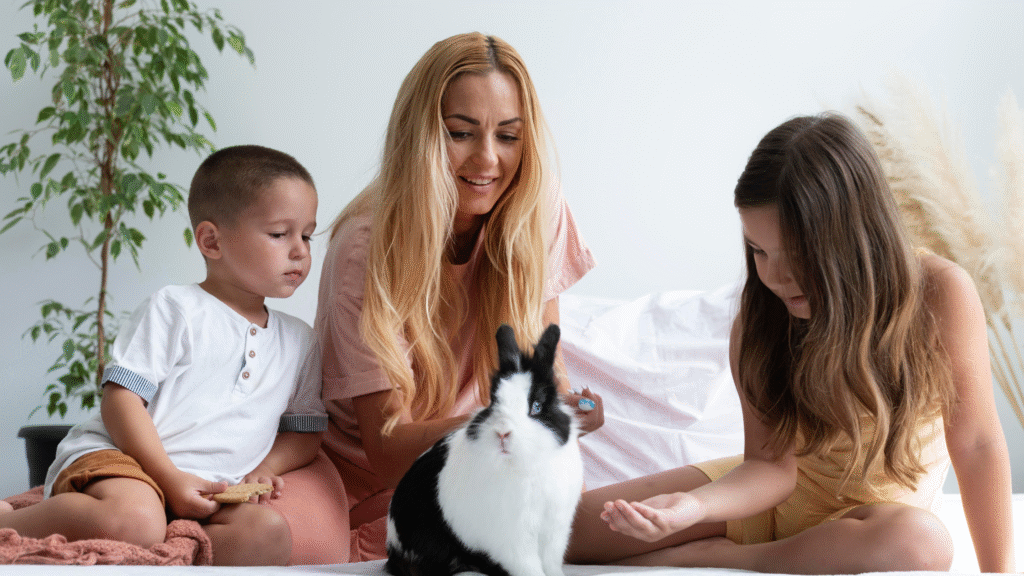
Part 1: Rabbit Care — The Complete Owner’s Guide
Understanding Rabbit Behaviour
The rabbits are prey animals, and this fact is the core of all their behavioral and care patterns. They are inherently reserved, very vigilant and are likely to get stressed when they are in a situation that makes them feel unsafe. But a secure rabbit in his home is a merry little thing, full of inquisitiveness and most loving,–binkying (a joyful leap-and-twist movement), rolling on his side in delight, and demanding the attention of human beings most energetically.
Among the most significant facts about rabbits is the fact that they are crepuscular, the most active in the morning and evening. It is not a reason to be worried that your rabbit is sleeping badly in the middle of the day. This is absolutely normal and does not constitute illness.
Housing: Space Is Non-Negotiable
Poor space is the largest welfare problem of pet rabbits. The standard small hutch that is sold in the pet stores is really too small to accommodate the physical and psychological needs of the rabbit. The rabbits should be able to make at least three full hops in a straight line, stand on their hind legs fully and have a separate area of their sleeping and eating habits as well as litter boxing.
- Minimum size of enclosure: 8 feet x 4 feet in case of one rabbit – bigger is preferable.
- The rabbits are supposed to be given at least 3-4 hours of free-roaming time out of their enclosure per one day- preferably more.
- Rabbits kept in outdoor hutches are exposed to extreme temperatures, predator stress and flystrike – indoor life is highly desired.
- Do not have wire flooring this will give sore hocks and have solid flooring with soft bedding like fleece or hay.
- Rabbits may be litter trained – a litter box in the corner where they instinctively go, with litter of paper, and crowned with hay.
Nutrition: Hay, Hay, and More Hay
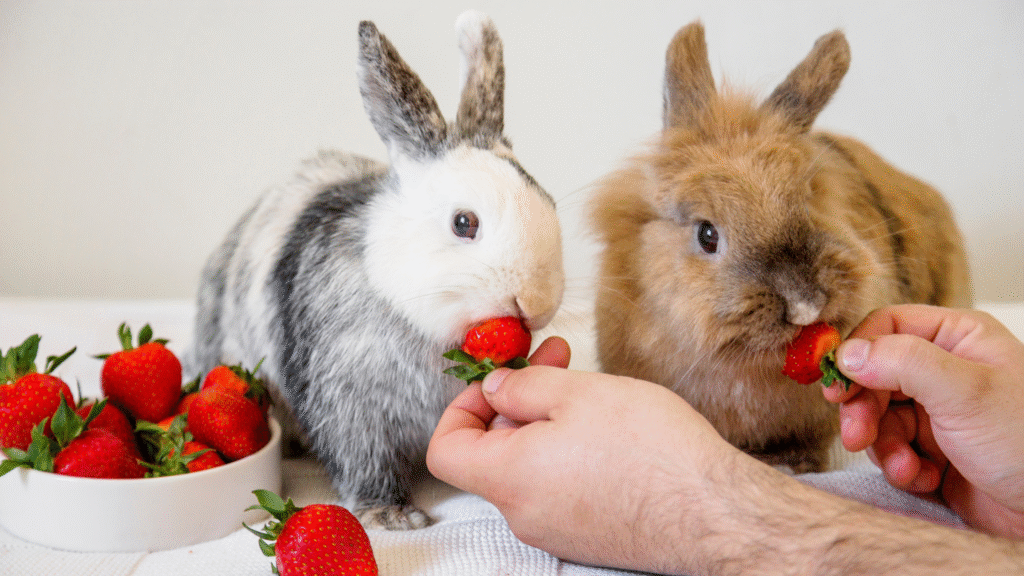
The most prevalent preventable disease in pet rabbits is diet. A healthy rabbit diet includes fresh timothy hay (or orchard grass as an addition), and the intake of this should comprise about 80 percent of the daily food intake. Hay is not a luxury, it is a necessity. It maintains the digestive tract motile, grinds constantly increasing teeth, and it prevents the lethal situation, which is the GI stasis.
- Unlimited timothy hay: the infinite basis – inexhaustible, ever new.
- Green leafy vegetables: about 1 packed cup of body weight per day – romaine lettuce, cilantro, parsley, basil, dill, arugula.
- Pellets: a small quantity (1/4 cup to every 5 lbs) of plain, timothy-based, pellets, not colored blends with seeds and withered fruit.
- Fresh water: it is there always in a heavy ceramic bowl–many a rabbit will drink more out of a bowl than a bottle
Never Feed Rabbits: Iceberg lettuce, cabbage, potatoes, bread, cereals, nuts, seeds, chocolate, or any sugary treats. These may result in deadly digestive problems. Fruit is a luxury only – no more than 1 teaspoonful to each 2 lbs. of body weight, 2 to 3 times weekly.
Health: What Every Rabbit Owner Must Know
Rabbits are prey animals that conceal the sickness until they are in a critical condition. This implies that when a rabbit presents signs of illness that are apparent, it is not always in time. Knowing the signs of early warning which are subtle is life saving information.
- GI stasis – the rabbit killer of number one: few or none dropped, huddled position, refuses to eat, distended stomach. It is an emergency that needs fast veterinary attention.
- Dental disease: salivation, food dropping, loss of body mass, or facial puffiness – rabbit teeth are continuously growing, and may grow spikes that are painful.
- Uterine cancer: this is common in up to 80 percent of unspayed female rabbits aged above 4 years. It is highly encouraged that all females rabbits be spayed.
- Flystrike: eggs are deposited by flies on dirty fur, particularly during the summer months – daily inspections of the fur are necessary.
- Annual check up of rabbits with an exotic veterinarian familiar with rabbits: locate one when you are not in a crisis.
Emergency Signs: If your rabbit has not eaten, produced droppings, or is sitting hunched and grinding their teeth for more than 4–6 hours — this is a medical emergency. GI stasis may become fatal in 24-48 hours. Wait not.
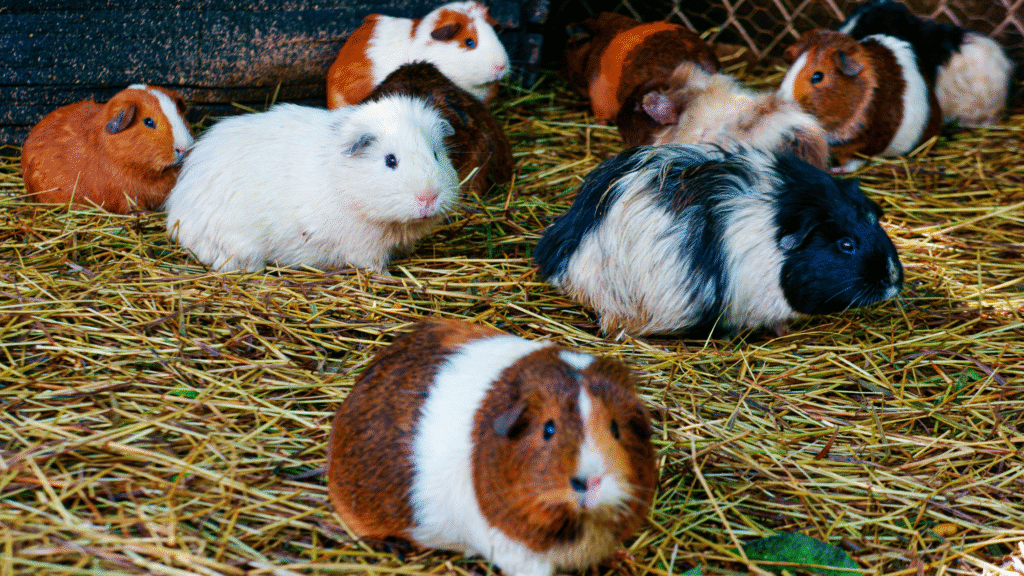
Part 2: Guinea Pig Care — The Complete Owner’s Guide
Understanding Guinea Pig Behavior
Guinea pigs, also known as cavies, are very sociable and gentle animals which are amazing communicators. Their language is full of words: the iconic wheek of excitement on hearing the fridge open, the purring rumble of satisfaction, the teeth-chattering threat of annoyance, and the silent chutting of a guinea pig at ease with the world.
It is important to note that the most important thing about guinea pig behavior is that they are very social. Guinea pigs are gregarious animals that undergo real psychological sufferings in confinement. In Switzerland and in a few other countries, it is even against the law of animal welfare to keep a guinea pig without a companion. Guinea pigs always keep in pairs or groups of the same sex or neutered males with females.
Housing: C&C Cages Are the Gold Standard
Similar to rabbits, the guinea pigs are practically universally confined to too-small enclosures. Most of the pet stores sell plastic cages which are not sufficient even to house one guinea pig, not to mention that they need to house two or more. The guinea pig enthusiast community and rescue has mostly standardized on C&C (Cubes and Coroplast) cages – modular, customizable, and actually spacious.
- Minimum size of cage: Two guinea pigs can be housed in a minimum space of 7.5 sq feet – 10.5 sq ft and above is suggested.
- Bedding: soft paper bedding (Carefresh, Kaytee Clean and Cozy) at least 3 inches deep, or washable fleece bedding linens.
- Temperature: Guinea pigs are sensitive to heat and cold, maintain at 65F to 75F (18C to 24C); they should never be exposed to drafts, direct sunlight or air conditioning vents.
- Hideouts: each guinea pig must have at least one hideout to feel secure – give each pig a hideout and an extra one. No wire floors, exercise wheels (their spines are unable to support them), or hamster balls – they are all damaging to guinea pigs.
Nutrition: Vitamin C Is Critical
The Guinea pigs have a significant biological similarity with human beings because they do not produce Vitamin C on their own, but they have to get it completely in their diet. One of the most common and avoidable conditions in pet guinea pigs is vitamin C deficiency (scurvy) that causes joint aches, poor coat, lethargy and in the worst case scenario, death.
- Unlimited timothy hay: the staple, as in the case of rabbits – necessary to digestion and the teeth.
- A variety of fresh vegetables every day: bell peppers (red and yellow, in particular, the latter is very rich in Vitamin C), greens, cucumber, zucchini, and herbs such as parsley and cilantro.
- Vitamin C need: about 1030mg/day – fresh vegetable foods are the best; supplements may be added to water but are destroyed easily. Plain timothy pellets: 1/8 cup of each guinea pig per day – do not use colorful seed mixes.
- Fresh water: daily changed, inexhaustible.
Never Feed Guinea Pigs: Potatoes, rhubarb, onions, garlic, dairy, meat, avocado, or iceberg lettuce. Dried fruit, nuts and seeds in guinea pig mixes are rich in sugar and fat and should be avoided completely.
Health and Handling
Guinea pigs are delicate creatures that may be severely hurt with wrong treatment. They must never be picked up by the scruff of the neck or be held by the legs hanging. Sit on the ground and place your hands all round the body, one hand under the chest and one under the hindquarters and bring them close to the body to ensure that they feel safe. Major health problems are respiratory disease (extremely sensitive to drafts and cold), dental malocclusion (poorly aligned teeth), skin parasites (mange mites), bumblefoot (poor flooring), and bladder stones. Guinea pigs must be checked by an exotic/small animal veterinarian at least once a year.
Handling Tip: Guinea pigs rarely bite unless they feel trapped or are in pain. A guinea pig almost always bites, and they are trying to communicate something; they are scared, or uncomfortable, or they want to be euthanized. Give the signal the due respect and ask later when they are not feeling so bad.
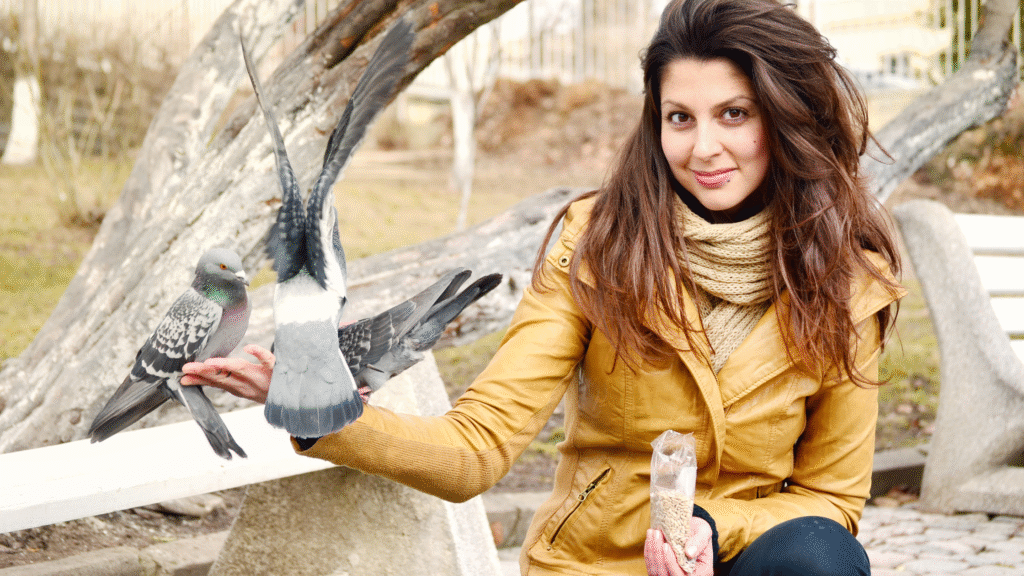
Part 3: Bird Care — The Complete Owner’s Guide
Understanding Bird Behavior and Intelligence
Birds are definitely some of the most complex animals that can be kept as pets. In specific instances, and especially with parrots, small budgerigars and large macaws, the intelligence level is on par with a 3 to 5-year-old human child. They are problem solvers, tool users, cause and effect learners, self-reflectioners, and excellent emotional attachers to their caregivers. This facet is what makes them the most likeable, as well as what makes them their biggest source of welfare requirements. A bored lonely or under-stimulated bird will acquire stereotypical behaviours, which are the bird’s version of mental breakdown, feather plucking, constant rocking, and screaming. Such habits are not the mark but rather the character trait. My behavioural and social needs as a bird are avoided by meeting them.
Housing: Cage Size and Placement
Your bird belongs to the cage, it must be a comfortable, secure, and stimulating environment, not a prison. The greatest tip: purchase as big a cage as you can possibly afford, and fit. The birds must be capable of fully opening their wings in their cage without coming into contact with the sides and hopefully have sufficient space to move in shorter distances between perches.
- Interspacing with barriers is very important: the budgie and finch require a 1/2 inch spacing; cockatiel require 5/8 inch; bigger parrot require 3/4 to 1 inch – when spaced improperly a head can be trapped, or escape taken.
- Horizontal is better than vertical -birds climb horizontally and it is more of an exercise.
- Placing of the cage: level with the eye (feels safer), not close to the kitchen (fumes of Teflon/PTFE of non-stick cookware are fatal to birds) and not near drafts.
- At least 2-3 perches of different diameter and texture to support foot health – branches of natural wood are very good.
- Out-of-cage time: the birds require at least 2-4 hours outside the cage per day in a bird-safe, supervised place.
Cautions of the House (Birds): Non-stick cookware (PTFE fumes are deadly), perfumed candles, air fresheners, incense, cigarette smoke, ceiling fans, open windows, other pets, and toxic houseplants such as lilies, poinsettia, and daffodils. Areas to be made bird-proof and then free-flown.
Nutrition: Pellets, Not Seeds
Seed only diets have been identified by far as one of the most prevalent causes of malnutrition and premature mortality in pet birds. Seeds contain plenty of fats and lack the essential vitamins and the minerals, especially Vitamin A. A seed diet is the bird version of a human who exists on a diet of chips only – rich in calories but deadly in nutrients.
- Quality pellets (Harrison, Roudybush, Zupreem Natural): this type of food should compose 60 to 70 percent of the diet – pellets are well-liked and well-balanced nutritionally.
- Fresh vegetables: carrots, bell pepper, leafy greens, broccoli, cooked sweet potato, squash – served daily.
- Fruits: in small quantities, as delicates, apple (no seeds), berries, mango, papaya.
- Seeds: a little amount (by diet less than typically 20 percent) as a reward or training aid not the beginning of the diet.
- Clean water: changed daily; birds frequently drop food in their water bowl — twice daily changes in warm weather
Seed to Pellet: The majority of seed-addicted birds are initially resistant to pellets. nuke pellets into their seed bowl, release pellets on the most hungry days (morning), and take pour water as if it were gingerbread. The change may take weeks or months, the patience and persistence are rewarded.
Social Needs, Enrichment, and Mental Health
Birds — especially parrots — are flock animals. In the wild, they are never alone. A single bird kept without adequate social interaction will form an intense bond with their human owner and can develop severe separation anxiety. This is not a problem if the owner can dedicate 2–4 hours of meaningful interaction daily. If that is not realistic, consider a same-species companion bird.
- Everyday out-of-cage communication: verbal communication, training, foraging games, handling, and merely being together in the room- birds desire to have a part in the flock.
- Foraging- birds are naturally kept occupied by the process of enriching foraging structures: wrap treat boxes, bury lasting vegetables in cage bars, slot food items through puzzle toys- foraging is psychologically fundamental and occupies the birds hours of activity.
- Change toys every week: birds are fast habituated to toys; after a week of play, the new toy provides novelty.
- Training: even basic target training (touching a stick with their beak) provides mental stimulation and deepens the bond
- Music and television: numerous birds like music and background noise during their time alone, such as classical music, sounds of nature and recordings of the voice of their owners are quite appropriate.
Bird Health: Signs of Illness and Vet Care
Birds are experts at hiding sickness- it is a survival mechanism of living in the wild because showing fine is an invitation to be preyed upon. When a bird starts to look unhealthy, the illness might have been taking weeks or days. That is why baseline behavior is of paramount importance to observe every day: by understanding what is normal with your particular bird, you will be able to notice minor deviations at such an early stage.
- Well: clear eyes, feathers are close to the body, active, chatty, eats with enthusiasm, droppings are normal.
- Effective preventive measures: warning signals, such as fluffed feathers (indicators of cold, disease, stress), sitting on the bottom of the cage, less vocalization, loss of appetite, bobbing the tail (indicators of respiratory distress), abnormal droppings.
- Vet care: locate an avian vet – not just any vet has been trained to work with birds. Home pet birds are advised to receive annual wellness examinations.
- Wing trims and nail trim: this requires a trained avian veterinary/groomer, wing trimming does harm the wing when done improperly.
Conclusion: Small Pets Deserve Big Care
Rabbits, guinea pigs and birds are not entry-level pets, decoration, or lazy-souled substitutes to dogs and cats. They are sophisticated, intelligent creatures with rich interiors, strong interpersonal connections, and definite needs, which they should have fulfilled to be able to truly prosper, rather than to survive. The positive thing is that with the right knowledge those needs can be met. The healthy life of a rabbit that has space to roam and proper diet is 10-12 years.
Properly taken care guinea pig may live to age 7-8. A parrot that is healthy can live longer than the owner. they are good, lasting relationships,–and they pay careful, intelligent stewardship with a kind of companionship quite surprising to the first-time little pet owner. It is a guide, and it is what you build upon, so continue learning, as your pet develops and evolves, identify yourself with the species-specific rescue groups and forums, and find an exotic veterinarian that you can trust until you require one in a crisis. Your little pet is relying on you – and it is well worth them. To get a deeper help guide on how to take proper care of rabbits, guinea pigs and birds among other small pets, enter petcareinf.com, it is your reliable information provider of the best pet care tips.
For more in-depth care guides on rabbits, guinea pigs, birds, and other small pets, visit petcareinf.com — your trusted source for expert pet care advice.
Frequently Asked Questions (FAQ)
Q1: Are rabbits good pets for beginners?
Rabbits are not as cheap to keep as a lot of beginners assume, but can be an excellent pet. They need a big house, unlimited hay feed, free-roaming time each day, frequent doctor visits with an exotic veterinarian and socialization. They also constitute a 10 plus year obligation. Making such good choices, having the right preparation and contacting with the right expectations, rabbits are the most rewarding pet you can have.
Q2: Can guinea pigs live alone?
Guinea pigs cannot exist in isolation. They are very much an outgoing social group of animals that do feel true stress and experience loneliness in solitude which may cut down their life time and also lower down their living standards to a great extent. It is always important to keep guinea pigs in pairs or groups of same sex or a neuted male and one or more females. When one of the guinea pigs is lost, make sure the other lives with a new friend, but not alone.
Q3: How long do pet birds live?
Lifespan differs to a vast extent depending on the species. Budgerigars normally have a lifespan of 5-10 years. Cockatiels live 15–20 years. Conures and caiques medium parrots have a lifespan of 20-30 years. Big parrots like African Greys, Amazon and Macaws have a lifespan of 50-80 years and might outlive their owners. Always study the life cycle of your preferred type of bird, owning a large parrot is a lifelong commitment which demands serious consideration.
Q4: What vegetables are safe for rabbits?
Safe rabbit vegetables are romaine lettuce, green leaf lettuce, arugula, cilantro, parsley, dill, basil, fennel, mint and water cress. These ought to be implemented slowly to prevent upset of the digestive system. Iceberg lettuce (hollow and may result in diarrhea), cabbage, kale in large amounts, and all onion family vegetables are to be avoided. Fruits must be provided as an occasional treat as they are very high in sugar.
Q5: Why is my bird plucking its feathers?
Feather destructive behavior (also known as feather plucking) is one symptom of psychological or physical distress that is serious. Usually caused by boredom or under-stimulation, loneliness, poor sleep, nutritional deficiency, skin infection or parasites, hormonal or allergies. It cannot be considered normal and is supposed to be examined by an avian vet to exclude medical reasons.