Do guinea pigs bite? Occasionally, they do, and when it occurs, it is unexpected to fresh owners. Guinea pigs are social animals and are also gentle, but they are also prey animals. This implies that they respond to fear, pain or abrupt handling. Biting does not mean aggressiveness or a mean personality. A guinea pig is typically given the last-resort warning when he is threatened, uncomfortable, or overwhelmed. The bite, in most instances, is intended to put an end to the problem, rather than to inflict injury. Knowing the reasons behind the guinea pigs’ biting, the extent of pain caused by the biting, and the events that prompt them to do so, the owners can avoid nipping and establish a normal, trusting relationship with their pet.
Why Do Guinea Pigs Bite
Guinea pigs do not tend to bite as they are not vicious or mean. Communication is almost always through a bite. It is a form of telling them, “I don’t like this, leave me alone.” Since guinea pigs are predatory animals, they use rapid responses to defend themselves in cases where they are threatened, stressed or experiencing pain. Biting is the final option when all the warning signs have been overlooked.
Fear and Stress
Guinea pigs jump easily. Fear can be caused by such factors as suddenly putting hands into the cage, noises, rapid movements, or incorrect lifting. When one of the guinea pigs is cornered and has no means of escape, it nips as a means of defence. This is particularly widespread with new pets that have not developed the trust yet or with guinea pigs that were been treated roughly in the past.
Pain or Discomfort
One of the leading causes of biting that are not given much consideration is pain. Even soft treatment will be painful when dealing with skin infections and mites, overgrown teeth, pains in the joints or inner disease. A guinea pig may bite as a way of stopping contact to an area that is in pain. Symptoms to be observed are flinching, squealing, scratching repeatedly, loss of weight, bald spots. In these instances, a check of the veterinary is always needed.
Hunger or Thirst
Guinea pigs have their mouths in the world. When your fingers smell of vegetables or fruit, a guinea pig will assume that it is food and will bite you as a result. This kind of bite is not very aggressive and is mild. To avoid such confusion, the child should be given regular feeding times and treats should be served on a flat palm rather than fingers.
Guarding Their Space
Other guinea pigs are territorial particularly when sharing cages. They can bite when another guinea pig or a human hand come into their sleeping place or food bowl or hiding place. This action is frequent in congested cages or in cases where there are not sufficient hiding areas. Defensive biting is minimized by providing enough space and several shelters.
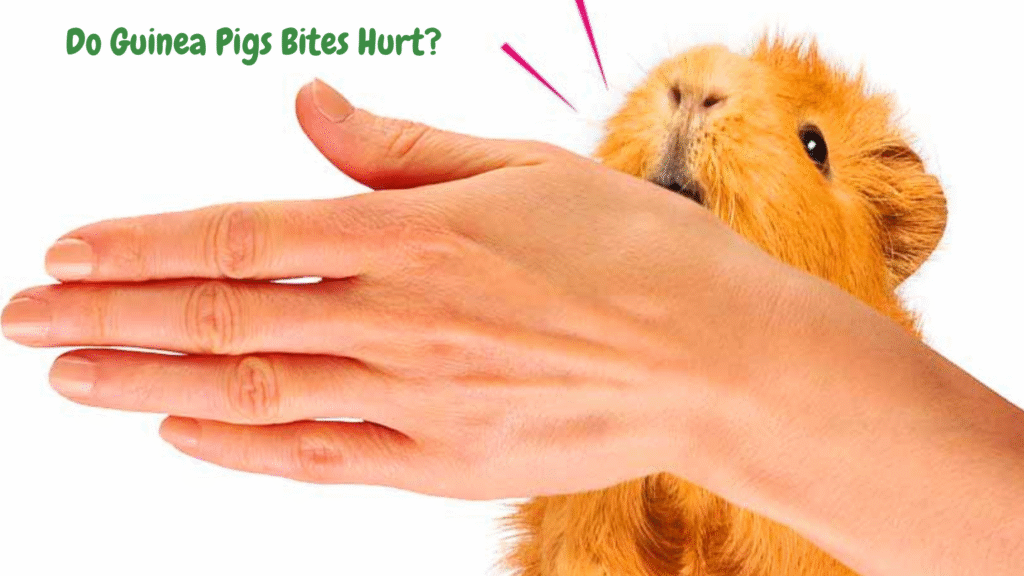
Do Guinea Pigs Bites Hurt?
Guinea pig bites are painful, but not likely to be serious. Majority of bites are warning bites and not attacks. Light bite could also be perceived as a light pinch, whereas a more intense bite can be felt sharp in the short-term, as a minor scratch.
How Painful Is a Bite?
The guinea pigs punches have short teeth and their jaw strength is not as strong as a dog or a cat. It is due to this reason that the pain is often short term and disappears easily. A lot of bites will not even cut the skin. In them, the pain is localized or mild as opposed to being deep or throbbing.
Do Bites Cause Injury?
No severe injury takes place in the majority of incidents. Small redness or a palliative surface lesion is routine and will be resolved in an hour or two. Sometimes a more forceful bite can make a small portion of blood, particularly when that guinea pig was in pain or scared. Deep wounds are very infrequent.
How to Treat a Bite
In case the skin is pierced, wash the skin with warm water and soft soap. Keep dry and put an antiseptic cream to avoid infection. Preferably leave the area clean and open. Consult medical attention in case of redness, swelling, and heat or discharge that is on the increase.
How to Prevent Biting
The first step to avoiding bites is ensuring that you satisfy your guinea pig. Always clean water and safe chew toys should always be given to minimize mouth-focused behavior. Take things step by step, hold the body in the right position and do not make quick movements. Allow them to come up to your hand rather than reaching in and this builds trust and minimizes nipping which is caused by fear.
How to Stop Guinea Pigs from Biting
Guinea pigs do not bite because they are aggressive. Majority of the biting occurs due to feeling frightened, confused or overcome by whatever you are doing. Prevention of bites is generally concerned with establishing trust and understanding their cues and providing them with a sense of safety and control. Through constant, gentle handling, the majority of guinea pigs cease to nip altogether with time.
Handle Them Gently
Always take a guinea pig by the chin. Predators attack out of the sky in the wild hence this movement elicits fear. You must always lift them very slowly with both hands, one holding the chest and the fore legs, the other the back part. Keep them against your heart to make them feel safe and strong. When they are not stable or they have the feeling that they will fall, they have high chances of biting.
Product: Have a fleece blanket or towel on your lap, this will provide them with traction and warmth to allow them to relax when being handled.
Watch for Warning Signs
Guinea pigs tend to always give warnings before biting almost all the time. They will chatter teeth, all their muscles will be stiff, squirm, squeak harshly, or push your hand away; these are all good indications that they are ready to go. When these signals are ignored, they are taught that it is not effective to signal a warning and take even more bites in the future. Going by these signs, put them calmly in the cage or on the floor.
Product: A small open play area or floor pen will allow them to be able to interact without being forced to handle if they do not want to do so.
Create a Safe Environment
Biting is a significant cause of stress. Strong smells, dirty cages, loud noises, sudden movements, or overcrowding all increase levels of anxiety. Guinea pigs require regular schedules, silence and space. The guinea pigs must be able to seek shelter, stretch and withdraw when they feel like being overwhelmed. Defensive biting is directly decreased by a calm environment.
Useful product: A big cage with a comfortable bed, houses, and separate feeding places are used to minimize tension and territoriality.
Provide Enough Food and Toys
Guinea pigs are unceasing chewers. Unless their teeth are occupied they might want to chew fingers in case they are curious or frustrated. Hay should not be limited, as it is a necessity. Provide safe wooden chew toys, tunnels and foraging materials to keep their mouths and minds busy. A mentally stimulated guinea pig that is well fed will have a much lower chance of biting.
Beneficial product: Timothy hay bundles, untreated wooden chew sticks, and cardboard tunnels are cheap and really effective.
What to Do If a Guinea Pig Bites You
Any guinea pig can nip even the calmest one. It normally occurs when they are scared, surprised or uncomfortable. Even a bite may be shocking, however, the majority are minor. It depends on how you respond in response.
- Stay Calm: Do not jerk your hand away. Fastening it inwards will rip the skin and scare the guinea pig even more. Wait a moment, then gingerly stroke your hand off and leave the guinea pig his room to relax.
- Clean the Bite: Immediately sprinkle the place with warm water and light soap. Massage at least 2030 seconds to eliminate bacteria. Guinea pig bites are normally clean, thus with proper washing, infection is avoided.
- Put Something on It: Apply an antiseptic cream or liquid. This need not be so much, as long as the skin is covered.
- Cover If It’s Open: Take a clean bandage to ensure that dirt does not get inside in case the skin is broken or bleeding. Change it daily until healed.
- When to See a Doctor: Seek medical attention in case of increase in swelling, redness, warmth, pus, or pain within 24 hours or your body has a low immune system.
Helpful tip: Keep a cheap first-aid kit near your guinea pig’s cage. Soap, cream, a few plasters, that’s all you need. Saves you running around when it happens.
Tips for Preventing Guinea Pig Bites
Guinea pigs tend to bite since they are frightened, overwhelmed or uncomfortable. Majority of biting can be avoided through establishing trust and developing a serene and predictable atmosphere.
- Spend Time Daily: Be close to them on a daily basis and talk in a low voice. Before touching them, allow them to smell your hand. Avoid rushing interactions. Under regular, gentle exposure, the guinea pigs would come to realize that you are harmless and would cease to act in self-defense.
- Keep the Cage Right: A dirty or small cage is also stressful and as a result, the animal bites. Wash bedding frequently and give shelters such as tunnels or boxes. Put the cage in a secluded place where it is not affected by loud noises and sudden movement.
- Don’t Shock Them: No grabbing a guinea pig and pulling it upward or downwards. Take one step at a time and hold themselves by their hands. Suddenly, this behavior causes fear and intensified biting.
- Feed From Your Hand: Fed the little pieces of vegetables by hand assists to build trust. Guinea-pigs soon get to know that there is no danger with hands, and lots of food. Fingers should be flat so as to prevent accidental nips.
- Know Their Nature: The guinea pigs are of different personalities. Some are shy, others outgoing. Respect their limits. Should any of them pull back or squeak, leave them space rather than setting them.
Extra tip: Always should supply hay, chew sticks and toys. Chewing also alleviates stress and keeps teeth occupied and thus minimizes the risk of biting.
Final Thoughts on Do Guinea Pigs Bite
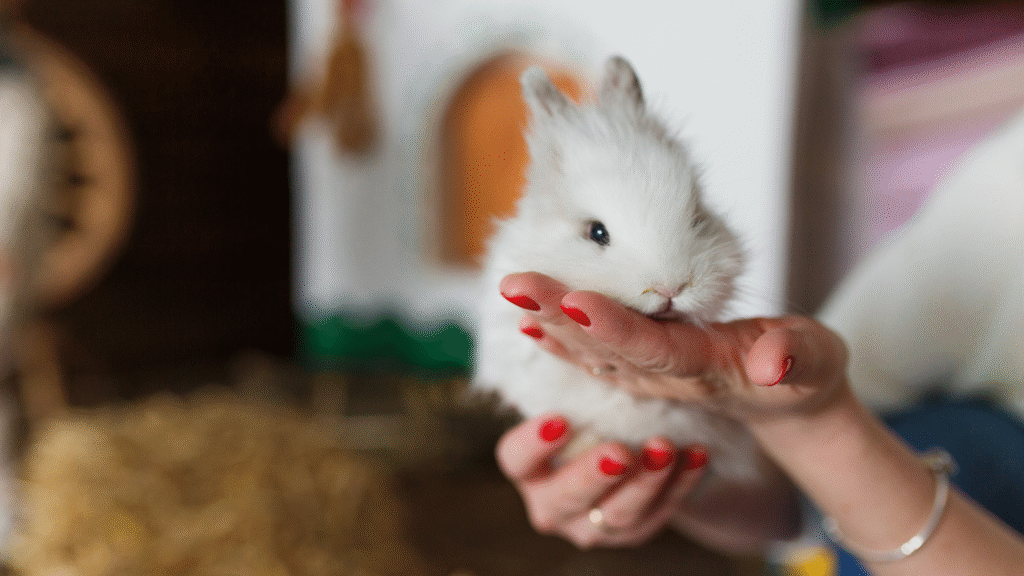
Yes, guinea pigs might bite at times but it is almost always a caution, not violence. They do not mean to hurt, they communicate fear, discomfort, or stress by using nips. They have tiny teeth, which ensure that most bites are manageable. Biting typically ceases to occur, with gentle handling, frequent feeding, a clean cage and the abundance of hay and chew toys. With time, guinea pigs get to know your voice and smell and defensive nips become soothing trust and inquisitiveness.
Frequently Asked Questions
Do guinea pigs bites hurt?
Guinea pig bites normally hurt minimally. Most of them are experiencing being poked or scratched and forgotten in a short time. Even a light nip can be left without impression. Redness or a tiny cut can be as a result of stronger bites, but severe pain is uncommon.
Is a guinea pig bite dangerous?
No. Unlike in most cases the Guinea pig bites are not deep and are healed within a short period. Wipe using soap and warm water and put antiseptic. Only in case of swollen, reddish, hot, or infected wounds, medical attention would be required.
Do guinea pigs smell?
Guinea pigs in themselves do not stink. Smell is typically due to stained bedding, or urine. Smells are controlled by regular cage cleaning, fresh bedding, and daily spot cleaning. Helpful product: Paper-based bedding and a cage liner reduce bad smell.
Do guinea pigs bite strangers?
Yes, they can. The Guinea pigs are predators and tend not to feel secure with strangers. Defensive nip may be caused by sudden handling by strangers. Make new individuals sit, talk in low tones and bring delicacies on an open hand to gain trust
Does a guinea pig bite cause rabies?
No. Guinea pigs do not carry or spread the rabies. Although a bite is known to tear the skin, the only real danger is having a minor skin infection in case the wound is not cleansed correctly.
Do guinea pigs bite humans?
Yes, but it is rare and can normally be avoided. Guinea pigs chew in case of fear, extreme stress, or discomfort. Most guinea pigs do not bite anyone with proper care, such as gentle handling, a quiet environment, feeding and sufficient chew toys. Helpful product: Wooden chew sticks and hay racks keep their teeth busy and lower biting.