
Treating horses is not only about feeding them sweet. It is significant in training, bonding and day-to-day care. The right choice of treat can help in positive behaviour, act as a stress reliever and build trust between you and your horse. However, not all treats horses are created equal. Most of the commercial varieties are rich in sugar, artificial additives, or other substances that may upset the sensitive digestive system of a horse. Since horses are susceptible to such illnesses as colic, laminitis, and insulin resistance, the safety and nutritional balance must be the main criteria of the treatment choice.
Choosing natural equine treats made from simple, recognisable ingredients helps support overall health while still giving your horse something enjoyable. In this guide, let’s explore five of the best natural treats horses love. You will be informed about safe fruits and vegetables, good stuff at the store, quality store-bought stuff, enrichment toys such as Likits, and simple homemade treats that you can make to give to horses. All of the options are feasible, secure, and acceptable in regard to responsible horse care.
Why Give Treats to Horses?
Treats horses love are more than simple snacks. When properly employed, they are used as instruments of training, bonding, mental stimulation and even health management. The trick is to apply them in a wise and sparing manner.
Positive Reinforcement
Small horse treats are very effective during training. The horse can easily be told by a small bit of carrot or even by a bit of low sugar biscuit, That was right. Horses are trained by repetition and reinforcement. The close association between behavior and reward is reinforced when the treat occurs after a desired behavior. This not only makes the process of learning quicker but it also minimizes frustrations and makes the training process relaxed and effective.
Bonding
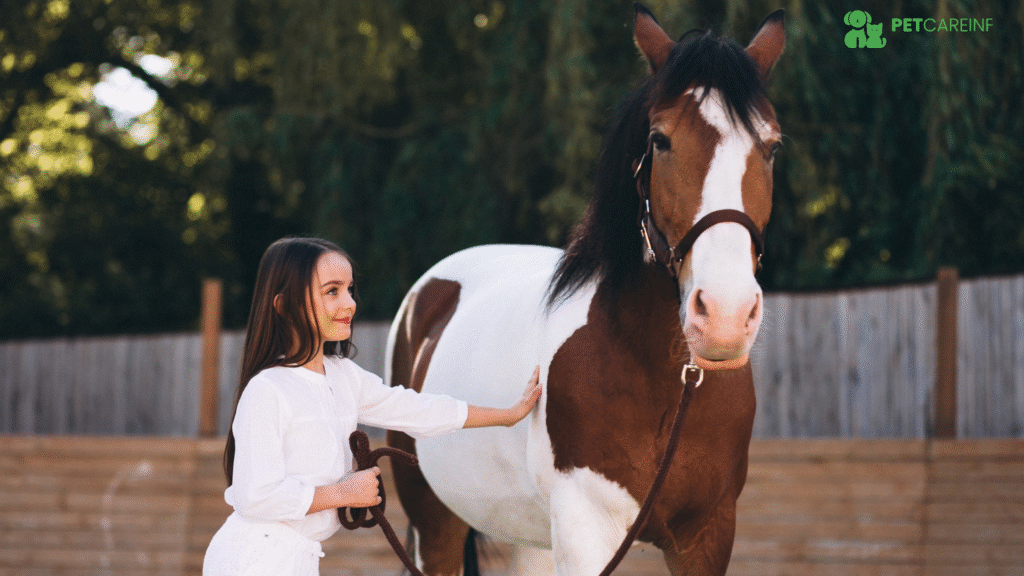
Sharing safe equine treats is one of the simplest ways to build trust. Horses are natural prey animals thus building trust is very slow. Giving them some treat out of a flat palm will teach them that you are good and easy to be around. In the long run, this regular communication will lead to your horse coming to meet you and reacting more assertively in the process of handling.
Enrichment
Horses are active grazers and during the wilderness, they spend numerous hours in chewing. In smaller paddocks or stalls boredom may develop soon. Products such as Likits, treat balls or hanging lick blocks are mentally stimulating. The stress is also reduced by licking and chewing and can help avoid undesirable behaviors like cribbing, chewing wood or kicking a stall.
Health Reminder
The things that you give your horse as a treat must never be damaging to its health. Excess sugar may lead to weight gain, insulin resistance, or laminitis particularly when in the case of sensitive horses. Choosing natural or low-sugar horse treats allows you to reward your horse without upsetting their digestive system or overall balance. Prudence and savvy ingredient selection are the key.
What Makes a Good Treats Horses?
When you pick treats horses, simplicity and safety should always come first. The digestive system of a horse is delicate and it has been made to consume forage food, rather than sweet and processed snacks. One should eat a good treat that is natural, low in sugar, can be chewed on, and consumed sparingly.
Natural Ingredients
The best treats horses enjoy are made from recognizable, real ingredients. Safe base can be found in oats, carrots, apples, beet pulp, and timothy hay. Never use artificial colors, preservatives and unknown fillers. When the list of ingredients is too long and it is difficult to comprehend, then it is not the product to use. Simple and clean ingredients minimize the chances of digestive upsets.
Low in Sugar
Equine beings do not require snacks like candy. Sugar overconsumption may cause obesity, insulin resistance, laminitis, and metabolic diseases. This is vital towards ponies and easy keepers. Find treats with low sugar or with low starch, especially when your horse is known to have laminitis or Cushing disease. The safer ones are hay cubes, small slices of apples or specially marked low-NSC treats.
Easy to Chew
Large or heavy pieces may cause the difficulty of choking. It is always advisable to cut fruits and vegetables into small pieces particularly apples and carrots. The elderly horses or those having dental problems might have to be given softer treats or wet ones. Sizing will help to make feeding safer and better.
Adds Something Good
More than flavour, a smart treat is more. Carrots contain beta-carotene (help of vitamin A) and apples help to hydrate and add fiber; oats help to supply with light energy. Some quality equine treats include herbs like mint or fenugreek, which many horses enjoy and which may support digestion. Although treats must never substitute balanced feed, they with relatively low nutritional value are an added bonus.
Popular Natural Horse Treats
Horses naturally graze for most of the day, so the safest treats horses can enjoy are foods that are close to what their digestive system is built for—fiber-rich, fresh, and minimally processed. Natural treats are not only good but also they can also be hydrating and little sources of nutrition when given in proper amounts.
Fresh Fruits and Vegetables
The easiest way to offer treats horses love is through simple fruits and vegetables. These foods are made of natural fiber, water, and a little content of vitamins. They are to be continuously fed in moderation, as even natural sugars might accumulate.
Good picks:
- Carrots – One of the most popular horse treats. They are low fat, crunchy and they contain beta-carotene, which is good to support eye health. Never swallow whole, always in strips or coins.
- Apples – Sweet and refreshing. Feed by removing the core and seeds. Apples have natural sugars and hence serve in small slices instead of full fruits.
- Bananas – Soft and easy to chew. The peel will also be consumed by many horses. Bananas are good sources of potassium, yet they contain more sugar hence feed in small quantities.
- Watermelon – Summer refreshing snack. Both the flesh and the rind are safe when cut into convenient-sized pieces. Gifting extremely big pieces should be avoided.
- Berries– Strawberries, blueberries and blackberries may be served in small handfuls. They contain a lot of antioxidants but are to be taken as a special treat.
- Pears and Melons – Save when cut in small pieces removing the seeds. These are fruits that should be consumed sparingly because there is natural sugar in them.
Simple rules when feeding:
- Clean fruits and vegetables with a lot of water to get rid of dirt and pesticides.
- Divide all into pieces that are small and easy to swallow in order to avoid choking.
- Add one food at a time and observe your horse in terms of digestive alterations.
- Limit the amount of treats in the entire diet to preserve the health of the gut.
- Never give: onions, garlic, potatoes, tomatoes, avocado, or fruit with large pits. These are not safe for horses and can make them sick.
- Product tip: A small veggie cutter makes prep faster and keeps the pieces safe for feeding.

Store-Bought Equine Treats
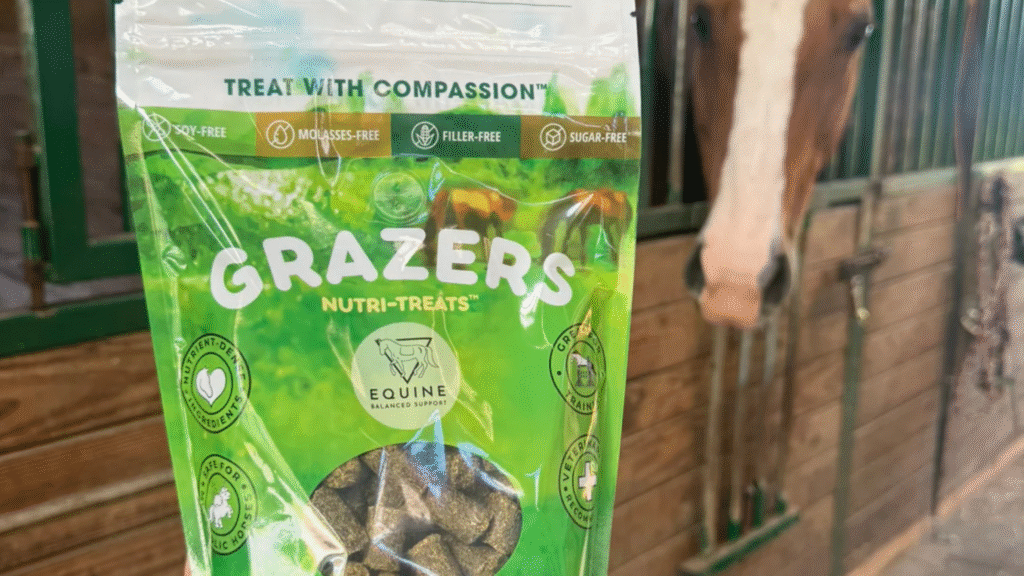
If you don’t have time to prepare fresh snacks, ready-made treats horses enjoy are widely available and convenient. The trick is to read labels in a critical manner. Commercial equine treat ought to have simple grains, actual fruit or vegetable contents, and too little added sugar. Avoids artificial-coloured products, heavy molasses or long list of chemical preservatives.
Types of treats you can buy:
- Oat bites- Oats are also regularly found in the horse food, and therefore these snacks are less harmful to the digestive system. They are typically hard, can be broken and can be used in training.
- Herbal blends– Certain sweets will contain mint, chamomile, fenugreek or garlic powder (in safe and prepared proportions). Most of them are usually made to aid in digestion or lure choosy consumers.
- Fruity and vegetable biscuits, either made of apple, carrot, beet pulp or pumpkin. These add flavor without the use of added sugar totally.
- Soy-free or GMO-free snacks– Designed to meet the needs of the horse with sensitive snacks. These alternatives do not use popular fillers and instead emphasize on less polluted grain sources.
Why many owners like store-bought treats:
- Portable and convenient to use during lessons, trail rides or competitions
- Equal size can be used to determine portions and minimize the choking risk.
- Others are also fortified by the inclusion of light nutrients such as vitamins or minerals.
- Extended shelf life, as opposed to fresh products.
Well-known brands:
- Mrs. Pasture’s Cookies for Horses
- Stud Muffins
- Purina Horse Treats
- Buckeye Nutrition Peppermint Bits
When choosing commercial treats horses love, moderation still matters. Even high-quality store-bought equine treats should only make up a small percentage of your horse’s daily intake to maintain healthy weight and digestion.
Likits and Lickable Horse Treats
Likits and other lickable horse treats are popular enrichment tools, especially for horses that spend long hours in stalls. Unlike hand-fed treats horses receive in small portions, these are designed to last longer and keep a horse mentally engaged.
What are Likits?
Likit is a flavored block which is designed to be used in horses. It is erected in an hanging holder or a toy to ensure that the horse is forced to lick it not biting a big piece. This slack access aids in prolonging stall-time entertainment besides providing a disciplined reward.
Key Features
- It comes in flavor like apple, mint, carrot, molasses and banana.
- Constructed so as to lessen boredom and shift the chewing action off wood, doors, or stall fixtures.
- Have the ability to distract horses with mild stable vices, such as cribbing or weaving.
- Other ones are enriched in vitamins or less sugary than conventional blocks.
How to Use Likits
- Fasten the block in a suitable Likit holder or boredom toy.
- Hook it at the head, where the horse can be able to reach it and not push against the walls.
- Keep an eye on the initial few attempts you make to make sure that your horse does not attempt to break or bite the holder.
Caution
Molasses or added sugar is found in many of the lickable treats. Horses that suffer laminitis, insulin resistance, or metabolic conditions are not to be fed on high sugar blocks. It is always better to read the ingredient list and prefer lower-sugar or natural formulations. Precautionary product hint: Stall time can be made more interesting with a durable Likit holder with refill blocks that will assist in controlling boredom in a safe way.

Homemade Treats for Horses
Homemade horse treats are a clever choice to the owners that want to be fully in charge of the ingredients. Not only do you know what you are feeding them, but you can restrict sugar, you can tailor recipes to the needs of your horse in terms of age, workload or health. Homemade options are especially useful for horses that require low-sugar or simple equine treats.
Simple Homemade Horse Treat Recipe
Ingredients:
- 2 cups rolled oats
- 1 cup grated carrot or apple
- ¼ cup molasses or honey (small amount only)
- ½ cup plain applesauce
- ¼ cup flaxseed or sunflower seeds (optional)
Instructions:
- Preheat oven to 350°F (175°C).
- Mix all ingredients together in a large bowl.
- Place small scoops on a tray lined with baking paper.
- Bake for 20–25 minutes until firm and golden.
- Let the treats cool down fully before giving them.
Tips for Homemade Treats Horses
- Change recipes with different fruits or grains so your horse doesn’t get bored.
- Stay away from unsafe foods like chocolate, avocado, or anything with sweeteners.
- Keep treats in a tight container; they usually last about one week.
Helpful product tip: Non-stick baking sheets or silicone molds help you make even-sized horse cookies quickly.

How to Give Treats to Horses Safely
Treats are a nice way to spoil your horse, but they must be given with care. Safe feeding keeps your horse happy and avoids health problems.
Guidelines
- Feed in moderation: A few pieces a day are fine, but too many can cause stomach upset or weight gain.
- Hand-feeding: Always place the treat on your flat palm. This stops the horse from nipping your fingers by mistake.
- Introduce slowly: When you try a new fruit, veggie, or equine treat, give a small piece first and watch how your horse reacts.
- Keep it balanced: Treats should be a small part of the diet, never more than about 10% of what the horse eats daily.
Special Dietary Considerations
Not all horses can eat the same snacks. Age, health, and special needs should guide your choice.
Tips for sensitive horses:
- Pick low-sugar treats for horses with laminitis, Cushing’s disease, or insulin problems.
- Skip sticky foods like molasses or very sweet fruit.
- Older horses or those with weak teeth do better with soft biscuits or soaked treats.
- If your horse has any health issue, ask your vet before adding new snacks.
Helpful product tip: Low-sugar horse treats made for seniors or horses with special diets are widely sold and safer for sensitive animals.
Treats Horses Should Avoid
Many snacks are safe, but some foods can be very dangerous for horses and should never be given.
Unsafe Foods Include:
- Chocolate – contains theobromine, which a horse’s body cannot handle; it can affect the heart and nerves.
- Onions, garlic, leeks – damage red blood cells and may cause weakness or anemia.
- Potatoes and tomatoes – both are nightshade plants; raw or green parts upset the stomach and may be toxic.
- Avocado – has a toxin called persin that can cause colic, breathing trouble, or even heart issues.
- Rhubarb – very high in oxalates; can hurt the kidneys and cause tremors.
- Bread and processed snacks – swell in the gut, cause gas and colic; too much sugar and salt add more risk.
- Dairy products – horses can’t digest lactose, which leads to diarrhea and discomfort.
- Lawn clippings – can ferment quickly, hide weeds or mold, and may cause choke or colic.
Why Avoid These?
Bad choices are not necessarily unsafe foods, and some of them may be very harmful. Some vegetables such as onions and garlic destroy red blood cells. Nightshade like potato and tomatoes will affect the nervous and digestive system. Chocolate has an influence on the heart and moldy or processed food can cause colic. Since the digestive system of a horse is sensitive, and that the digestive system is mainly made to digest forage products even small portions of incorrect food may cause gas, colic, laminitis or even toxicity. Always stick to safe horse treats like approved equine treats, fresh fruits, and vegetables in moderation. When you are in doubt about something to eat then it is better to skip it.
Creative Ways to Use Treats Horses
Treats horses enjoy can serve a purpose beyond simple feeding. When properly used they can be used to promote the behavior, lessen boredom and enhance the day-to-day management.
Training
Small, low-sugar treats horses respond to work best during training sessions. During a correct response, a small piece of a carrot or oat biscuit provided right after the response is a reinforcer to positive behavior. Always have portions small to ensure that the horse remains attentive and does not get pushy.
Boredom Busters
Horses kept in stalls are socially stimulated. Placing equine treats inside slow-feeder balls or hanging enrichment toys encourages natural foraging behavior. This minimizes the stress-induced behaviours such as cribbing, weaving, or chewing wood.
Medication Delivery
In cases when the horse is resistant to medication, crushed tablets may be successfully disguised in soft homemade equine treats or even liquid medication may be added to unsweetened applesauce. It is necessary to always check with your vet that the drug is safe to be taken with food.
Seasonal and Special Occasion Treats Horses
The provision of seasonal variation makes feeding habits exciting and at the same time works on safety and balance. Horses like minor alterations of the texture and temperature, yet the treats must remain uncomplicated and natural.
Summer
In hot seasons, it is about the water. A snack can be had with frozen apple slices, chilled carrot sticks or small cubes of watermelon. Water and natural fiber are included in these options and they are therefore safer compared to sugary commercial treats. Fruits should always be eaten sparingly and it should not be given in large frozen chunks, which may be a choking hazard. Cubes of slightly damp hay may also be used to enrich without too much sugar, especially during agonizingly hot days.
Holidays
Baked cookies, oat-and-carrot cookies are safe festive cookies in case of special occasions. Bind the mixture using rolled oats, grated carrots and a little applesauce. Do not use ice, artificial dyes or heavy molasses. Ornaments are welcome, as long as the ingredients are horse-safe and low in sugar.
Birthdays
One can create a “horse cake” by placing layers of apple slices and carrot rounds sprinkled with oats squashed together with applesauce. Feed with a small and even portion of the daily ration of the horse. Treats should never substitute the correct forage based diet rather it ought to complement it.
Conclusion
Treats horses enjoy should always support their health, not harm it. Whether you choose fresh fruits and vegetables, store-bought equine treats, Likits for enrichment, or homemade treats for horses, the key is moderation and quality ingredients. Natural horse treats strengthen training, improve bonding, and provide mental stimulation when used wisely. Always think of the age of your horse, the amount of work he is doing and his state of health before giving him new snacks. Treats can be rewards when used responsibly, and it is not only responsible horse ownership.
Frequently Asked Questions
What are the best natural treats for horses?
Carrots and apples remain the most popular natural horse treats. Pears, watermelon and bananas (in moderation) are also safe. The usage of rolled oats is moderate. It is always good to chop produce into smaller manageable sizes.
What are the best fruit treats for horses?
Apples, pears, bananas, and small amounts of berries are safe fruit treats horses commonly enjoy. Take out seeds and pits, clean and feed after being clean in order to avoid too much sugar consumption.
What is the number one horse treat?
Carrots are popularly said to be the best horse treat. They are cheap, can be stored easily, nutritious and majority of horses have no issues with taking them.
How to make natural horse treats?
Add grated carrot or apple and some little applesauce to rolled oats. Roll into small balls and bake until hard. Let cool thoroughly then feed. Artificial sweeteners and molasses should be avoided.