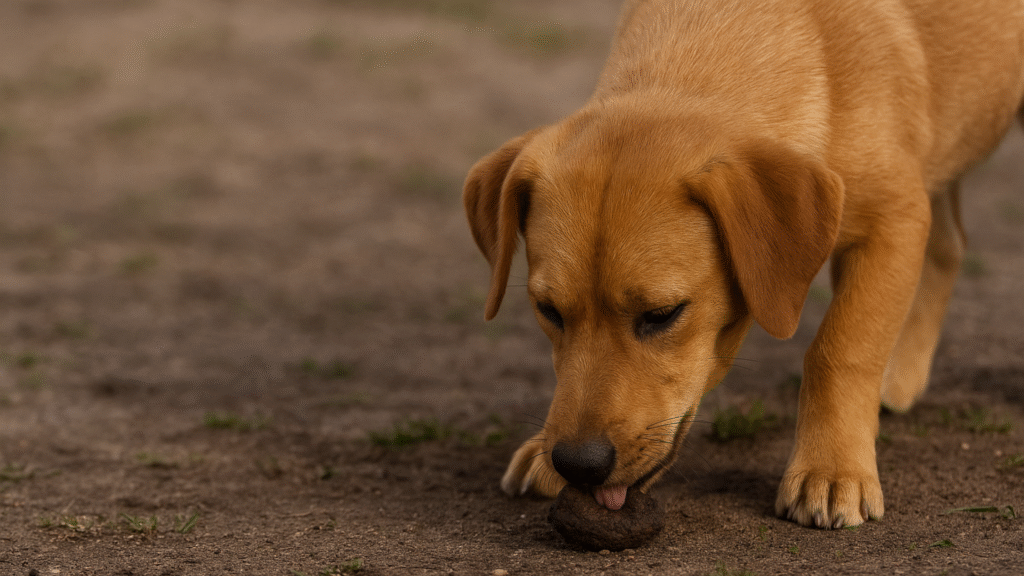
Why do dogs eat poop or Coprophagia — the clinical term for dogs eating feces — is a common and distressing behavior many owners encounter, and current research shows it results from a mix of medical, nutritional, and behavioral causes. This article explains what coprophagia is, why dogs (and especially puppies) sample feces, the main health risks to dogs and humans, and clear, evidence-informed steps owners can take to reduce or stop the behavior.
You will learn how nutritional deficiencies and specific medical conditions can drive poop-eating, which pathogens pose real hazards, and which training and environmental changes produce the best results. Each H2 addresses a core question: causes, health risks (with a pathogen comparison table), practical prevention and training (with a product/supplement comparison table), and puppy-specific guidance.
The goal is actionable, veterinarian-informed advice that balances immediate owner actions with when to escalate to diagnostic testing or a behaviorist. why do dogs eat poop, dog coprophagia causes, and how to stop dog eating poop are woven throughout to help you find targeted answers quickly.
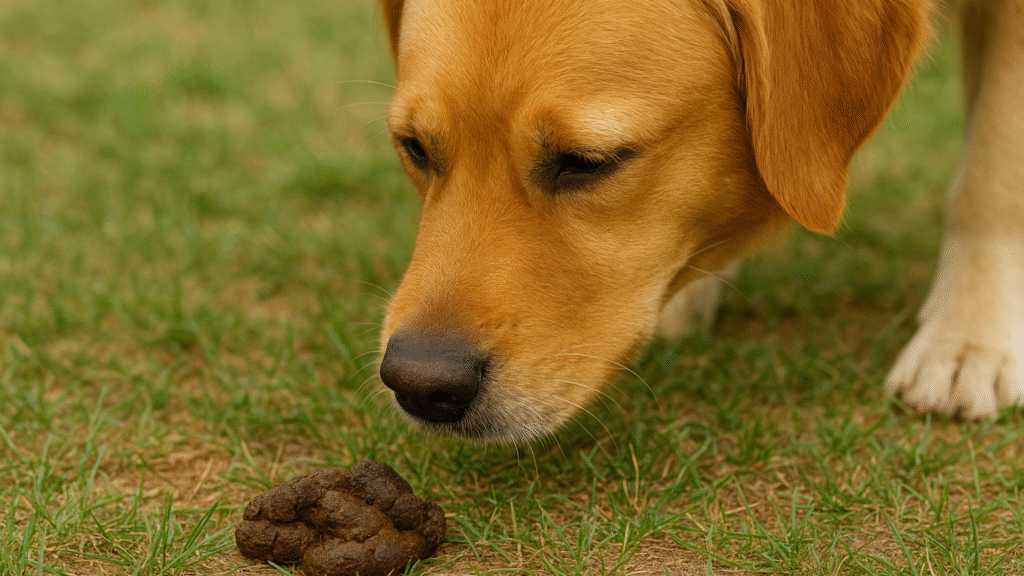
What Are the Main Causes of Dogs Eating Poop?
Coprophagia arises from several overlapping causes: medical or nutritional problems that drive food-seeking, instinctual or den-cleaning behaviors, and learned or attention-seeking patterns in the home. Dogs may sample feces when appetite, malabsorption, or hunger increases drive, while puppies explore their world by mouthing and sampling. Behavioral drivers like boredom, anxiety, or copying another dog can establish a habit that persists even after medical issues resolve. Understanding these categories helps owners decide whether to prioritize veterinary diagnostics, diet changes, or behavior modification steps.
The primary causes of why do dogs eat poop include:
- Nutritional deficiencies or malabsorption leading dogs to seek nutrients in feces.
- Medical conditions (for example, enzyme insufficiency or parasite burden) that increase appetite or change stool composition.
- Behavioral issues such as boredom, stress, attention-seeking, and learned scavenging in multi-dog homes.
- Instinctual behaviors (maternal den-cleaning, curiosity) especially common in puppies.
These causes often overlap, so a combined approach that addresses health, diet, and management is typically required before the behavior reliably diminishes.
How Do Nutritional Deficiencies Lead to Coprophagia?
Nutritional causes occur when a dog’s digestive system fails to extract sufficient nutrients, or when specific deficiencies (for example, B vitamins or digestive enzymes) alter appetite and stool composition. Exocrine pancreatic insufficiency and other malabsorption disorders leave undigested nutrients in feces, which can make stool attractive to some dogs.
A veterinarian can evaluate weight trends, coat quality, and run stool tests and bloodwork to detect malabsorption or deficiencies. Treating the underlying medical issue or adjusting to a highly digestible diet often reduces the incentive for fecal ingestion and should be monitored by follow-up diagnostics.
Addressing diet and absorption leads naturally to behavioral interventions when medical causes are ruled out, because even corrected digestion can leave entrenched habits that require retraining.
What Behavioral Issues Cause Dogs to Eat Feces?
Behavioral drivers include boredom, confinement stress, separation anxiety, and attention-seeking; dogs may also learn the habit by copying other dogs or by being inadvertently rewarded when owners react. Environmental monotony and insufficient enrichment increase the likelihood a dog will seek novel stimulation, including scavenging and sampling feces.
Management strategies focus on increasing mental and physical enrichment, improving supervision, and removing opportunities for the dog to access feces. When behavior appears compulsive or linked to anxiety, referral to a certified behaviorist and concurrent veterinary assessment for comorbid conditions is recommended.
Behavioral change typically pairs with immediate environmental controls — which is why the next section outlines the health risks of coprophagia and prevention tactics aligned with vet care.
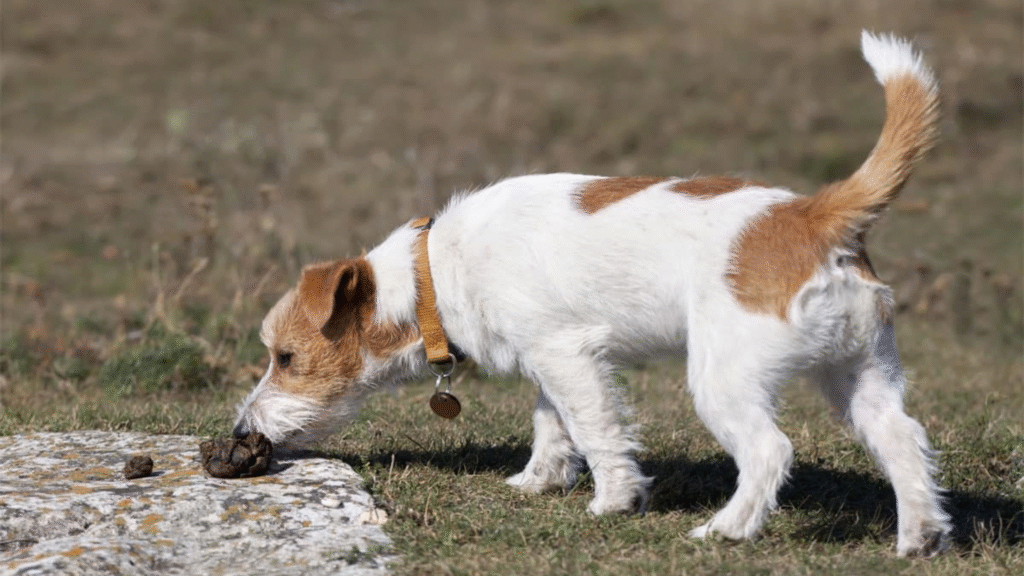
What Are the Health Risks of Dogs Eating Feces?
Dogs that eat feces risk contracting parasites and bacteria that harm their own health and, in some cases, pose zoonotic risk to humans; chronic coprophagia also causes GI upset and poor oral hygiene. Prompt veterinary screening, hygiene measures, and regular deworming decrease both canine and household risk.
Below is a concise comparison of common pathogens encountered via coprophagia, how they transmit, and clinical signs owners should watch for.
| Pathogen Type | Typical Transmission Route | Risk to Dog/Human & Signs |
| Roundworms (Toxocara) | Ingestion of infected feces or contaminated soil | Dog: GI upset, poor growth; Human: visceral larva migrans risk — practice handwashing |
| Hookworms (Ancylostoma) | Ingestion or skin penetration from contaminated feces/soil | Dog: anemia, diarrhea; Human: cutaneous larva migrans possible |
| Giardia (protozoan) | Fecal-oral ingestion of cysts in stool or contaminated water | Dog: intermittent diarrhea, weight loss; Human: gastrointestinal illness possible |
| Salmonella / E. coli (bacteria) | Ingestion of contaminated feces or food | Dog: vomiting, diarrhea; Human: foodborne illness risk, hygiene essential |
This table highlights why routine fecal testing, parasite control, and strict hygiene (handwashing, prompt feces removal) are essential parts of managing coprophagia risk. Regular vet-directed deworming and vaccination schedules reduce overall pathogen presence in the environment and lower chance of transmission.
Which Parasites Can Dogs Contract from Eating Poop?
Dogs can acquire intestinal parasites such as roundworms, hookworms, whipworms, and protozoa like Giardia through ingesting infected feces; each parasite produces distinct clinical signs and variable zoonotic potential. Veterinary fecal flotation or antigen testing identifies infections, and veterinarians prescribe targeted dewormers or antiprotozoals based on results.
Owners should look for signs including soft stool or diarrhea, poor weight gain, lethargy, or visible worms in stool, and maintain monthly preventive regimens as advised. Environmental sanitation — scooping yards promptly and disinfecting areas where feasible — reduces reinfection risk for both dogs and people.
Test-and-treat strategies reduce both health risk and the incentive for a dog to seek feces if parasite burden was contributing to hunger or malabsorption.
What Bacterial and Viral Infections Are Associated with Coprophagia?
Bacteria like Salmonella and pathogenic E. coli can be present in feces and transfer to dogs or humans through ingestion, causing gastrointestinal disease; viral risks are lower but puppies exposed to contaminated feces can be at higher risk for severe diseases like parvovirus if vaccination status is incomplete. Preventive steps emphasize hygiene: avoid letting dogs eat feces, wash hands after handling stool, and ensure puppies are fully vaccinated on schedule.
If a dog shows systemic illness (fever, severe vomiting, bloody diarrhea), contact a veterinarian promptly for testing and supportive care. Disinfection of contaminated surfaces with appropriate, veterinarian-recommended cleaners breaks fecal transmission chains and protects household members. Keeping dogs from accessing fresh feces during walks and in yards is a simple yet effective preventive layer against bacterial and viral exposure.
How Can You Stop Your Dog from Eating Poop? Effective Training and Prevention Methods
Stopping coprophagia combines immediate environmental control, targeted training, dietary adjustments, and veterinary follow-up; consistent application of these steps produces the best outcomes. Start with strict supervision and rapid feces removal, then apply behavior training and assess diet and gut health with your veterinarian. Below is a practical stepwise approach owners can implement today, followed by a comparison of deterrents, supplements, and behavioral strategies to help choose evidence-informed tools.
Follow these initial steps:
- Supervise and remove: Immediately pick up feces indoors and outdoors to remove access.
- Leash control on walks: Keep distracted or motivated dogs close and teach a reliable recall or redirection.
- Teach ‘Leave It’ and trade-up: Reward giving up interest in feces for higher-value treats or toys.
- Vet check and stool testing: Rule out parasites or malabsorption before relying solely on training.
These steps reduce opportunity while addressing causes of why do dogs eat poopthe ; the table below compares common deterrents and supplements owners encounter so they can discuss options with their veterinarian.
| Product / Approach | Active Method | Evidence & Usage Notes |
| Enzyme supplements | Digestive enzymes to reduce undigested nutrients | Mixed evidence; may help if malabsorption is suspected — consult vet before use |
| Probiotics | Alter gut flora and digestion | Supportive evidence for GI health; best used under veterinary guidance |
| Bitter deterrents (oral) | Taste aversive coatings | Short-term deterrent for some dogs; effectiveness varies and must be consistently applied |
| Management (scooping, supervision) | Environmental removal of feces | High effectiveness as immediate control; foundational intervention |
What Training Techniques Help Prevent Dog Coprophagia?
Training focuses on teaching alternative behaviors and removing reinforcement for feces-eating, typically via a structured protocol of cue training, redirection, and reward-based substitution. Begin with teaching “Leave It” in low-distraction contexts using a clear cue, then reward the dog for disengaging from low-value items and gradually increase difficulty toward ignoring feces.
Use trade-up techniques: the dog relinquishes interest in feces and immediately receives a higher-value treat or toy, which reinforces the new choice. For severe cases, controlled management (tethering, supervised outdoor access) combined with professional behavior modification may be necessary. These training steps work best when paired with environmental controls and any needed medical treatment, forming a comprehensive habit-replacement strategy.
Which Dietary and Environmental Changes Reduce Poop Eating?
Dietary adjustments include switching to highly digestible, nutrient-complete food and, where indicated, adding vet-recommended digestive enzymes or probiotics to address malabsorption. Environmental changes — prompt feces removal, more frequent yard scooping, supervised outdoor time, and enriched daily activity — reduce opportunities and boredom-driven scavenging.
Commercial deterrents are sometimes useful short-term but often produce inconsistent long-term results; consult your veterinarian before starting supplements to ensure safety and appropriate dosing. Combining improved diet, enrichment, and consistent management produces the most reliable decline in coprophagia behavior.
These changes directly reduce both the drive to eat feces (by improving digestion) and the opportunity to practice the behavior, thereby supporting training efforts.
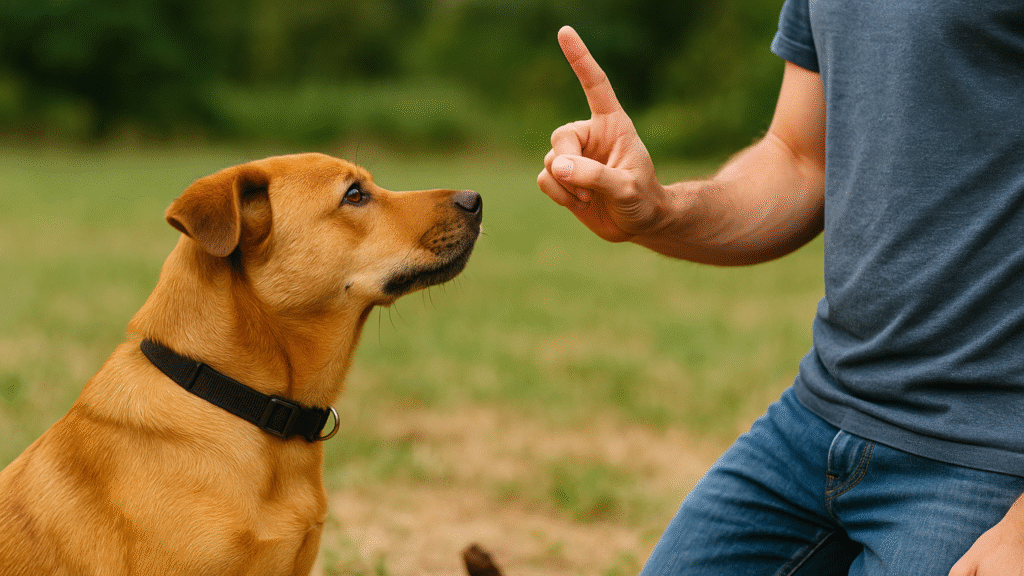
What Should You Do When Your Puppy Eats Poop?
Puppies commonly explore via mouthing and sampling, and transient coprophagia is often developmental rather than pathological; however, it still requires prompt management to reduce health risk and prevent habit formation. Immediate steps include close supervision, prompt feces removal, consistent timed feedings to reduce hunger, and early training of “Leave It” and redirection to acceptable items.
Ensure the puppy receives age-appropriate deworming and vaccination schedules as recommended by your veterinarian to minimize infectious risk. If the behavior persists beyond the typical exploratory phase, or if the puppy shows poor growth, GI signs, or lethargy, seek veterinary evaluation to rule out medical causes.
Why Do Dogs Eat Poop Common in Puppies?
Puppies instinctively explore with their mouths and may copy maternal den-cleaning behavior, which explains a developmental peak in coprophagia during the first months. Prevalence is higher in young dogs as they learn what is edible and seek stimulation; most puppies outgrow the behavior with guidance and decreasing novelty of feces.
Owners should expect some level of sampling but distinguish normal exploration from persistent or health-linked behavior by monitoring frequency, weight gain, and stool quality. If sampling is frequent or accompanied by GI signs, veterinary assessment is warranted to exclude parasites or malabsorption.
Understanding normal developmental curiosity helps owners apply measured, consistent training rather than punitive responses that can worsen anxiety-driven behaviors.
How Can Puppy Poop Eating Be Safely Managed?
Manage puppies through scheduled feedings, immediate feces removal, short supervised outdoor sessions, and reward-based redirection to toys and treats to teach alternative behaviors. Use simple training sessions to build “Leave It” and trade-up skills with high-value rewards and keep sessions short and frequent to match puppy attention spans.
Maintain veterinary preventative care — deworming and vaccinations — and consult the vet if the behavior persists despite management or if health concerns emerge. Positive reinforcement and consistent environmental control usually resolve puppy coprophagia without medication or aversive tools.
These practical steps protect puppy health and set a foundation for reliable adult behavior.
Conclusion About Why Do Dogs Eat Poop
Understanding why dogs eat poop is crucial for effective management and prevention of this behavior, which can stem from various medical, nutritional, and behavioral causes. By addressing these underlying issues and implementing consistent training and environmental controls, owners can significantly reduce the incidence of coprophagia.
Prioritizing your dog’s health through veterinary guidance and proper diet not only enhances their well-being but also fosters a more harmonious relationship between you and your pet. For more expert advice and resources on dog care, explore our comprehensive guides today.
Frequently Asked Questions
What are the long-term effects of coprophagia on dogs?
Long-term coprophagia can lead to various health issues in dogs, including gastrointestinal disturbances, nutritional deficiencies, and increased risk of parasitic infections. Chronic ingestion of feces may also result in poor oral hygiene, leading to dental problems. Additionally, if a dog contracts pathogens from feces, it can suffer from recurrent illnesses, which may require ongoing veterinary care. Addressing the behavior early is crucial to prevent these potential long-term health complications and to ensure the overall well-being of your pet.
Can coprophagia be a sign of anxiety in dogs?
Yes, coprophagia can be a behavioral response to anxiety in dogs. Stressors such as changes in the household, separation from owners, or the presence of other aggressive animals can trigger this behavior. Dogs may eat feces as a coping mechanism to alleviate their anxiety or as a learned behavior if they receive attention from owners when they do so. Identifying and addressing the underlying anxiety through behavioral training, environmental enrichment, and possibly consulting a veterinarian or a certified behaviorist is essential for effective management.
Are there specific breeds more prone to coprophagia?
While coprophagia can occur in any breed, some studies suggest that certain breeds may exhibit this behavior more frequently due to their inherent traits. Breeds known for their scavenging instincts, such as Beagles, Labrador Retrievers, and Dachshunds, may be more prone to coprophagia. However, it is important to note that individual behavior can vary widely, and environmental factors, training, and health issues play significant roles in the development of this behavior. Proper training and management can help mitigate the risk regardless of breed.
How can I tell if my dog is eating poop out of hunger?
If your dog is eating feces out of hunger, you may notice signs such as persistent begging for food, scavenging behaviors, or a sudden increase in appetite. Additionally, if your dog is losing weight or has a poor coat condition, these could indicate nutritional deficiencies or malabsorption issues. Monitoring your dog’s feeding schedule and ensuring they receive a balanced diet can help determine if hunger is a factor. Consulting with a veterinarian for a thorough evaluation is recommended if you suspect hunger-related coprophagia.
What role does training play in preventing coprophagia?
Training is a critical component in preventing coprophagia, as it helps dogs learn alternative behaviors and reduces the likelihood of feces-eating. Techniques such as teaching commands like “Leave It” and rewarding dogs for ignoring feces can effectively redirect their focus. Consistent training, combined with environmental management (like immediate feces removal), creates a comprehensive approach to address the behavior. Engaging in positive reinforcement and providing mental stimulation can also help alleviate boredom, which is a common trigger for coprophagia.
Is coprophagia more common in puppies than adult dogs?
Yes, coprophagia is more common in puppies than in adult dogs. Puppies often explore their environment through mouthing and may engage in feces-eating as part of their natural curiosity or instinctual behaviors, such as maternal den-cleaning. While many puppies outgrow this behavior as they mature and learn what is appropriate to eat, it is essential for owners to manage the behavior early on to prevent it from becoming a habit. Consistent training and supervision can help mitigate this behavior during the puppy stage.
What should I do if my dog continues to eat poop despite my efforts?
If your dog continues to eat feces despite your management efforts, it is advisable to consult a veterinarian or a certified animal behaviorist. They can help identify any underlying medical issues, such as nutritional deficiencies or gastrointestinal disorders, that may be contributing to the behavior. Additionally, a behaviorist can provide tailored training strategies and environmental modifications to address the issue effectively. Persistent coprophagia may require a multifaceted approach, combining medical, dietary, and behavioral interventions for successful resolution.